
Caddie's Gear Advisor
Curated for today's 59°F · Clouds
Tour-Level Drivers
Engineered for maximum distance and forgiveness
Laser Rangefinders
Pin-seeking technology for precision approaches
Premium Golf Balls
Tour-caliber spin and distance performance
Performance Sunglasses
Polarized lenses optimized for reading greens
Your Golf Trip, Handled
The Ultimate Golf Trip Planner
Everything you need to play Barlett hills golf club — from booking your flight to checking in course-side.
Course-Side Stays
Luxury hotels, resorts, and stay-and-play packages just minutes from the first tee.
Flights
Compare fares across 700+ airlines for the best route to your tee time.
SUV Rentals for Golf Bags
Spacious vehicles with room for clubs, bags, and your foursome.
Travel Insurance
Coverage for medical, weather delays, and gear at your destination.
Barlett hills golf club: Course Intelligence
The 18th green sits right under the clubhouse patio, and I could hear forks clinking while I stood over a 150-yard tee shot over water. It was a humid July morning in Bartlett, 74°F at 8 a.m. with the air already heavy off the prairie. A muni with a stadium finish — not what I expected northwest of Chicago.
TL;DR: Bartlett Hills is a 6,478-yard, par-71 public course (rating 71.7, slope 130) that rewards morning rounds. Five ponds and a creek punish loose iron play, and the open prairie routing means wind, not length, sets your score here.
Signature Setup
Bartlett Hills opened in 1923, laid out by Charles Maddox and Frank P. MacDonald. It ran as a private club for decades until the Village of Bartlett bought the property for $1.9 million in 1978 and opened it to the public. Bob Lohmann reworked several holes in 1986. The course plays 6,478 yards from the tips to a par of 71 — three par-5s and four par-3s. The signature is the closing 18th, a par-3 across water to a green hemmed by the restaurant patio, giving the finish a small stadium feel during summer outings.
Hole-by-Hole Wind & Playing Lines
The three hardest holes share one trait: they expose you to the prevailing southwest summer wind.
- Hole 9 (#1 handicap, par-4): Into a 10–15 mph SW breeze on most July–August mornings, the approach plays a full club longer. I hit 7-iron into what should have been a 9-iron number. Aim left-center and accept a longer putt over a short-side miss near water.
- Hole 12 (#2 handicap): A crosswind hole. On NW days (common Oct–Nov), the wind pushes tee shots toward trouble right — start it up the left rough line and let it ride back.
- Hole 6 (#3 handicap): Plays downwind in summer, which sounds easy but brings the front pond into range off the tee. Club down and lay back rather than chasing distance.
- Hole 3 (par-3, 213 yards from the blue tees): Long one-shotter; into any breeze it's a hybrid, not an iron.
Green & Fairway Characteristics
The greens are bentgrass, mid-sized, and run firmer by midsummer once the rain stops. Five ponds and one small creek thread the routing, so the danger is almost always water, not bunkering. Fairways are mostly flat with a few gentle prairie rolls; the front nine opens up while the back tightens around the ponds. The slope of 130 comes mostly from forced carries on the par-3s rather than from rough or contour.
Seasonal Weather Pattern
This is a true Chicago-area continental course. The season runs roughly April through November; the layout typically closes for winter once snow and hard frost arrive in December. April and May are wet and soft — expect plugged lies and little roll. June through August brings 80–88°F afternoons with humidity and that steady SW wind that builds after noon. September and early October are the sweet spot: 60s, drier turf, faster greens. By late October, NW winds turn the open holes raw.
Local Play Tips
The patio behind 18 is more than scenery — on weekday afternoons it fills with the banquet crowd, and the noise carries onto the green complex. If you want a quiet finish, play early. Also, because this is village-owned, twilight and resident rates are posted at the pro shop rather than online; call ahead and ask for the current walking rate, which is usually the best value on the card.
Pre-Round Weather Workflow
Check the 7-day G-Score for Bartlett Hills two or three days out, then again the night before. Watch two signals: wind direction/speed and the windExposure flag on the open back-nine pond holes (6, 12, 18). If the morning forecast shows SW wind above 12 mph, book the earliest tee time you can — the breeze stiffens through the afternoon and turns the water carries genuinely risky. On calm, dry September mornings, the G-Score will read its highest; that's your green light for a low number here.
Related Reading
Before you tee off at Barlett hills golf club
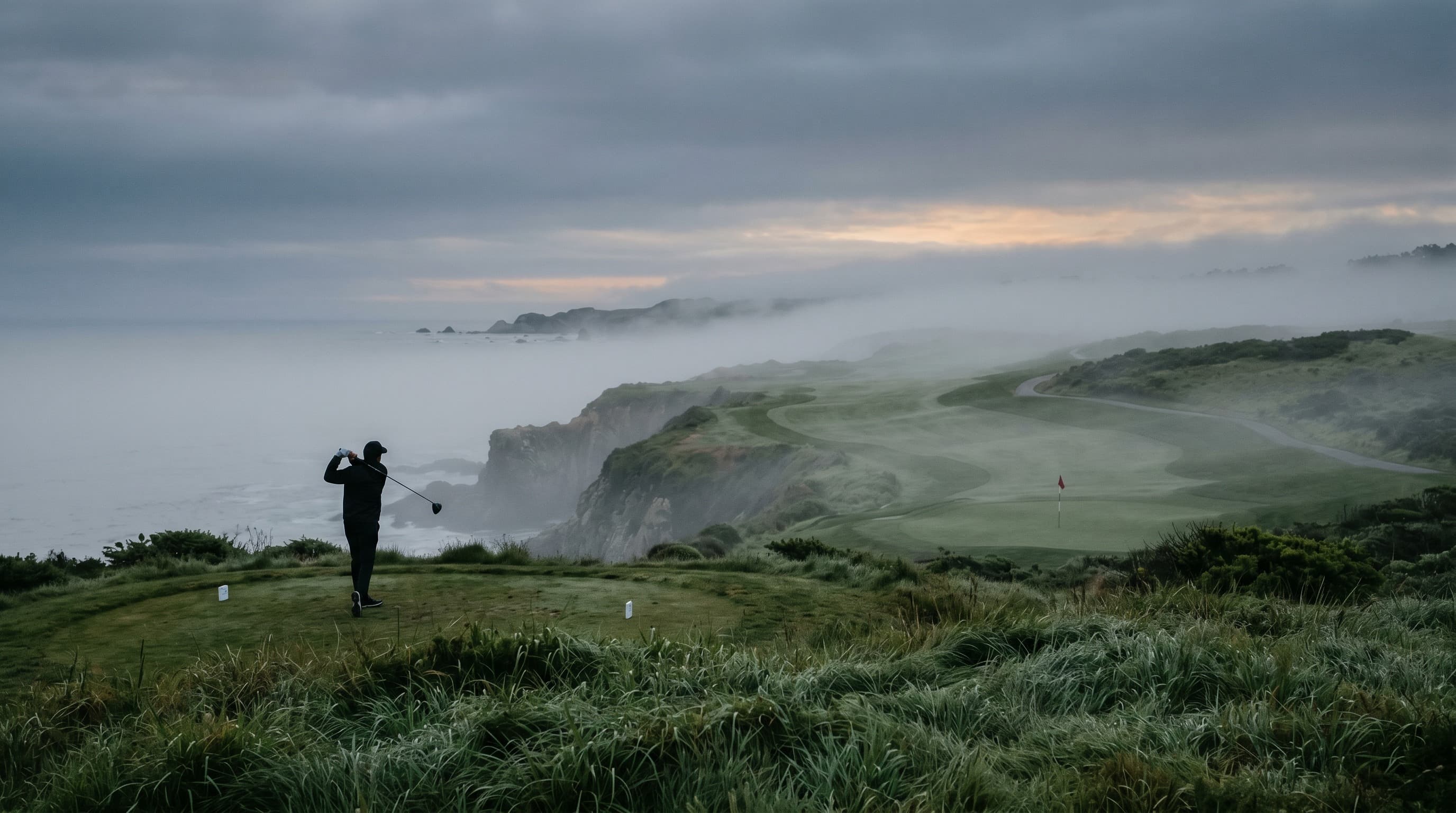
Reading Coastal Wind: How the Marine Layer Reshapes Pebble Beach, Bandon, and the Pacific Coast Game
Coastal golf does not play by inland rules. The marine layer suppresses wind in the morning, then releases it through midday in a thermal cycle that turns a calm 7am tee into a 22mph back nine. Here is the meteorology behind the pattern, the G-Score data that confirms it across the Pacific coast, and the morning workflow that turns the marine layer from a confusion into a competitive advantage.
Read Story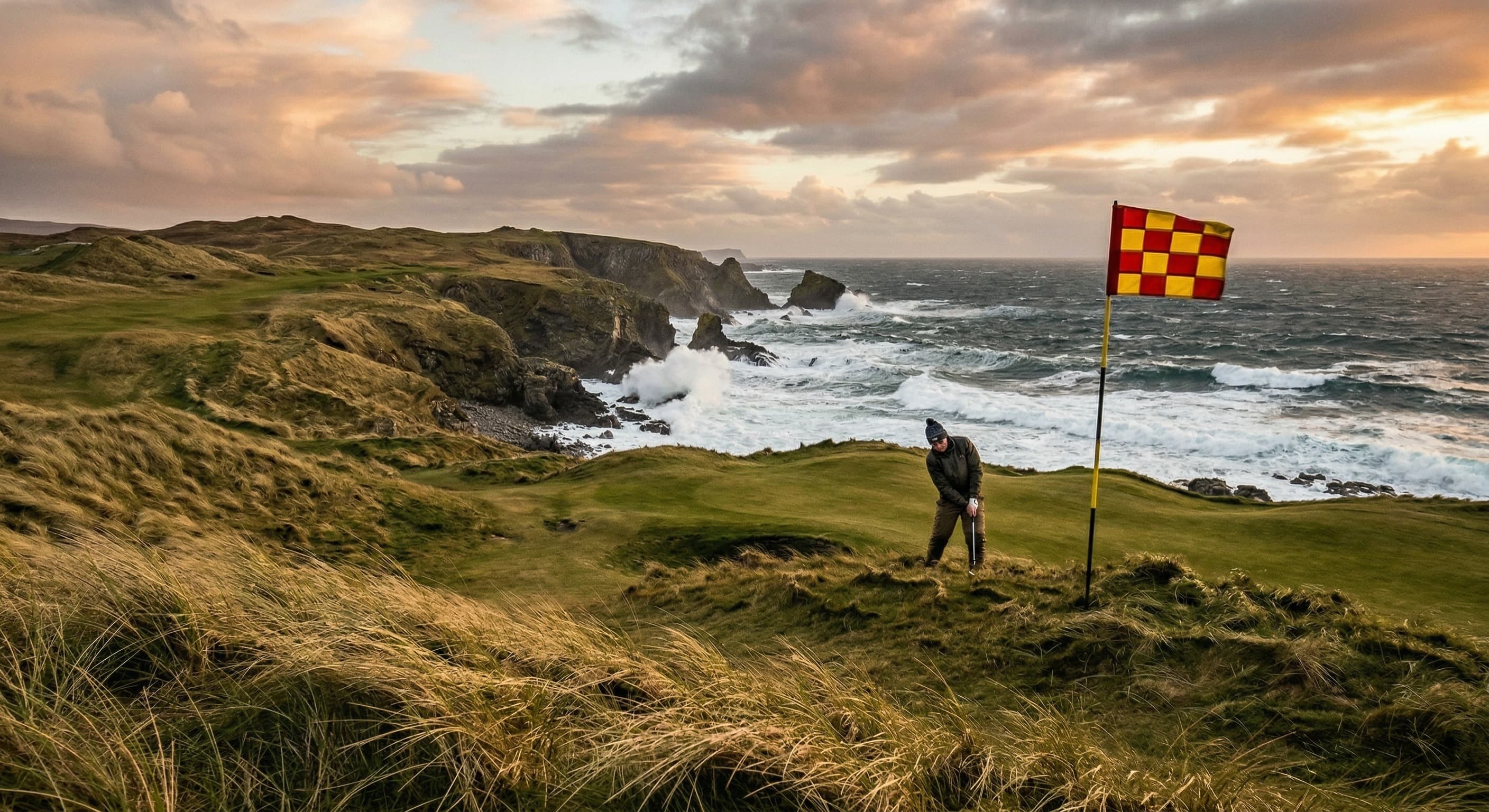
America's 20 Windiest Golf Courses: A G-Score Wind Analysis
We ranked America's 20 windiest golf courses using G-Score wind penalty data. See how coastal gusts and prairie gales reshape playability scores.
Read StoryMinSu Kim
Founder & Golf Data Analyst
MinSu is a data analyst and golfer with 10+ years on the course. He built Golf Weather Score to answer one question: is today a good day to play? He combines weather data, course intelligence, and the proprietary G-Score algorithm to help golfers make smarter decisions.
Every Friday Morning
When Barlett hills golf club plays best next weekend.
Friday 6am ET: peak G-Score windows for Barlett hills golf club, wind direction by hour, and one gear call. Three minutes to read, save you the round.
One email a week. Unsubscribe in one click.
The Caddie's Oracle
Draw your luck before the tee off