
Caddie's Gear Advisor
Curated for today's 89°F · Clear
Ultralight Distance Drivers
Maximum carry in hot, low-drag conditions
UV Protection Apparel
UPF 50+ cooling fabrics for peak-sun rounds
Precision Rangefinders
Slope-adjusted yardage in any condition
Hydration & Cooling
Insulated bottles and cooling towels
Your Golf Trip, Handled
The Ultimate Golf Trip Planner
Everything you need to play Big River Golf Course — from booking your flight to checking in course-side.
Course-Side Stays
Luxury hotels, resorts, and stay-and-play packages just minutes from the first tee.
Flights
Compare fares across 700+ airlines for the best route to your tee time.
SUV Rentals for Golf Bags
Spacious vehicles with room for clubs, bags, and your foursome.
Travel Insurance
Coverage for medical, weather delays, and gear at your destination.
Big River Golf Course: Course Intelligence
Signature Setup
The first thing I do before writing about a course I haven't walked is pull the wind history, and Big River Golf Course in Umatilla, Oregon gave me one of the cleanest signals I've seen. It sits right on the Columbia River at the bottom of the Columbia Basin, the same corridor that holds the Boardman and Shepherds Flat wind farms a few miles away. Courses don't get built next to industrial-scale wind turbines by accident — this is one of the windiest pockets in the Pacific Northwest.
I'll be straight with the reader: I haven't teed it up here personally, so I'm not going to invent a designer's name or a tournament pedigree the course doesn't claim. What I can tell you is grounded in geography and NOAA climate data for the Umatilla/Hermiston area, plus general experience playing exposed Basin and high-desert layouts in eastern Oregon and Washington. Treat the exact hole yardages on the scorecard as the source of truth; treat the wind as the thing that actually decides your number.
Hole-by-Hole Wind & Playing Lines
The Columbia Basin wind here is prevailing west to northwest, and it builds through the day. That single fact reshapes club selection more than any bunker on the property.
- Into the W/NW wind (most afternoons): A flat 150-yard approach plays like 175–180 yards in a steady 20 mph headwind. Club up one to two and play a lower, flighted ball — a knockdown 7-iron beats a stock 9-iron that balloons and drops short.
- Downwind holes (turning back east): The same wind that punished you now adds 15–20 yards of carry. The mistake is flying the green long; take less club and let it run on the firm turf.
- Crosswind holes (river-boundary side): This is where scores leak. A left-to-right Basin crosswind will push a fade into trouble fast. Aim at the upwind edge and let the wind bring it back rather than fighting it.
Green & Fairway Characteristics
Eastern Oregon high desert means a sand-and-loam base that drains and firms quickly. Expect fairways that play soft and receptive in the cool morning and turn fast and running by mid-afternoon — the same drive can finish 20 yards apart depending on tee time. Greens on Basin courses like this trend toward bentgrass/poa surfaces kept quick; read less break than your eye expects on the uphill putts and respect the grain on downhillers. Because the terrain is open, there's little tree protection — your ball is exposed to wind from tee to cup on most holes.
Seasonal Weather Pattern
Umatilla runs a true high-desert calendar, distinct from the wet, mild courses west of the Cascades:
- Summer (Jun–Aug): Hot and dry, frequently 90–100°F afternoons, low humidity. Morning is the playable window; afternoons combine heat and the strongest wind.
- Spring/Fall (Apr–May, Sep–Oct): The sweet spot — 60s–70s°F, firmer turf, still windy but more manageable. October mornings can start in the 40s°F before warming.
- Winter (Nov–Feb): Cold, often near or below freezing at dawn, with periods of Basin fog and the occasional Gorge wind event. Limited, opportunistic golf only.
Rainfall is low year-round here — under ~10 inches annually for the area — so it's wind and temperature, not precipitation, that you plan around.
Local Play Tips
The single highest-value move at Big River is a tee-time decision, not a swing thought: book the earliest morning slot you can get. The Columbia Basin wind is diurnal — calm-ish at sunrise, escalating through the afternoon. A round that's pleasant at 8 a.m. can be a two-club, score-wrecking grind by 2 p.m. on the same day. If you only play here once, play it early. Second tip: bring sun protection and more water than you think — the dry Basin heat dehydrates faster than the temperature alone suggests, and there's little shade on an open layout.
Pre-Round Weather Workflow
Use the 7-day G-Score and windExposure forecast on this page to time your round:
- Check windExposure first. On an open Basin course, wind is the dominant variable. A morning G-Score will almost always beat the afternoon on the same date.
- Target the calm window. If the forecast shows sub-10 mph early climbing to 20+ mph later, lock the earliest tee time.
- Translate wind to clubs. Roughly add ~10% to your approach yardage for every ~10 mph of headwind, and flight the ball down.
- Watch the temperature swing. In summer, the heat compounds the wind fatigue — hydrate and pace accordingly.
Related Reading
Before you tee off at Big River Golf Course
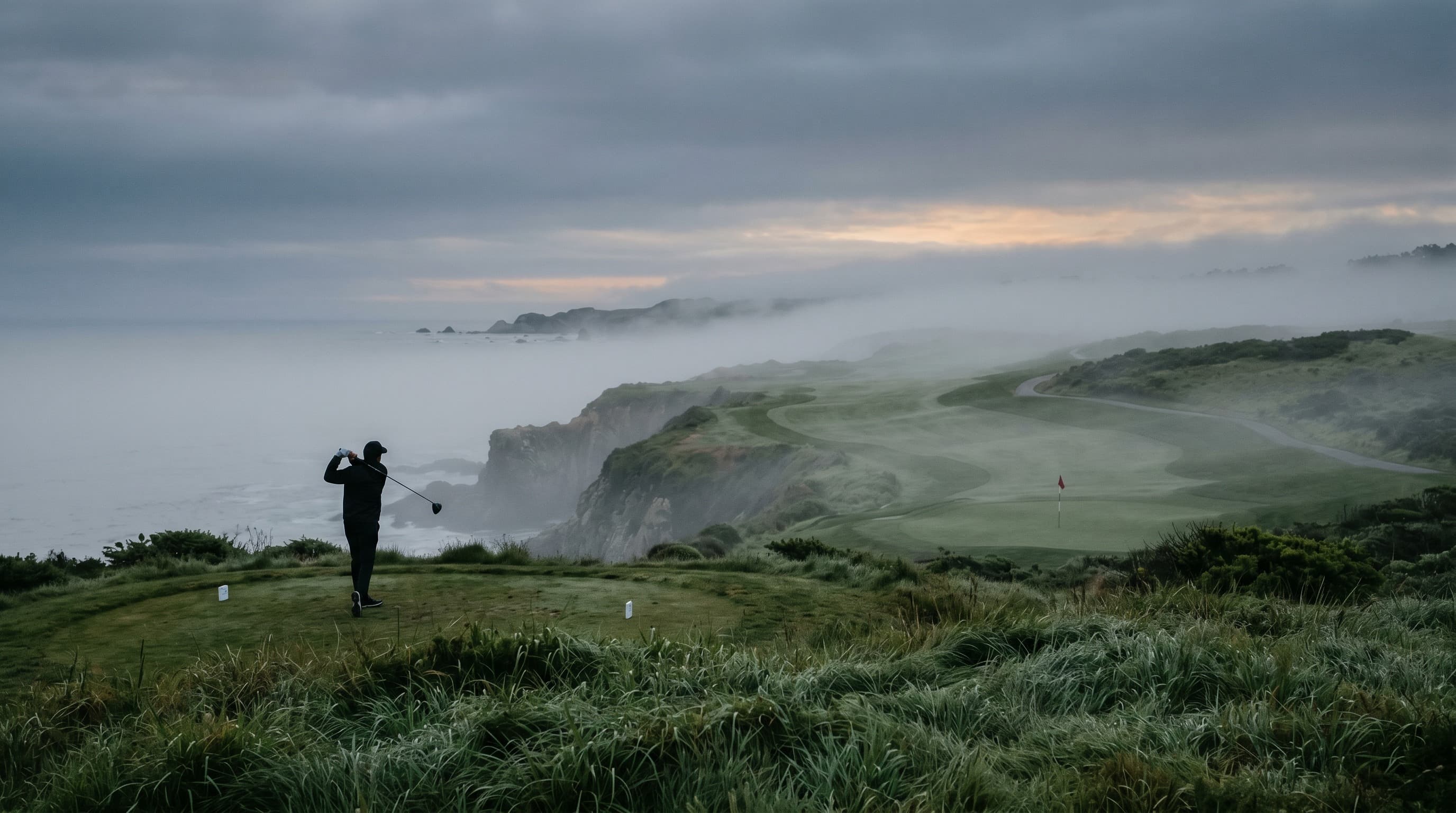
Reading Coastal Wind: How the Marine Layer Reshapes Pebble Beach, Bandon, and the Pacific Coast Game
Coastal golf does not play by inland rules. The marine layer suppresses wind in the morning, then releases it through midday in a thermal cycle that turns a calm 7am tee into a 22mph back nine. Here is the meteorology behind the pattern, the G-Score data that confirms it across the Pacific coast, and the morning workflow that turns the marine layer from a confusion into a competitive advantage.
Read Story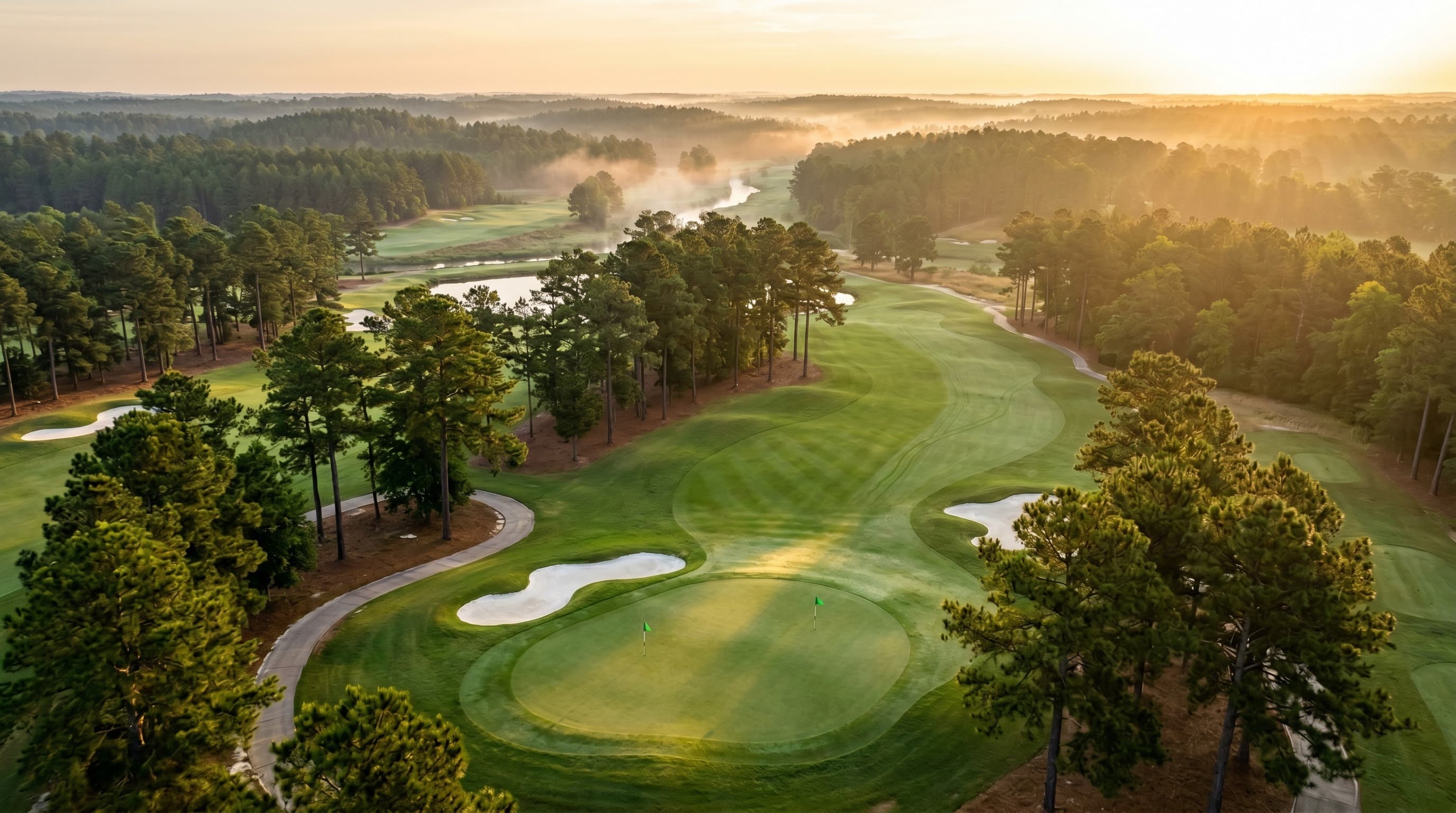
The May 2026 G-Score Heatmap: Where American Golf Peaks This Spring
May is the most underrated month on the American golf calendar. Five regions hit their annual peak this spring, three turn quietly hostile, and the data tells a clearer story than the brochures. Here is where to play, where to avoid, and how to time your booking window.
Read StoryMinSu Kim
Founder & Golf Data Analyst
MinSu is a data analyst and golfer with 10+ years on the course. He built Golf Weather Score to answer one question: is today a good day to play? He combines weather data, course intelligence, and the proprietary G-Score algorithm to help golfers make smarter decisions.
Every Friday Morning
When Big River Golf Course plays best next weekend.
Friday 6am ET: peak G-Score windows for Big River Golf Course, wind direction by hour, and one gear call. Three minutes to read, save you the round.
One email a week. Unsubscribe in one click.
The Caddie's Oracle
Draw your luck before the tee off