
Caddie's Gear Advisor
Curated for today's 56°F · Clouds
Tour-Level Drivers
Engineered for maximum distance and forgiveness
Laser Rangefinders
Pin-seeking technology for precision approaches
Premium Golf Balls
Tour-caliber spin and distance performance
Performance Sunglasses
Polarized lenses optimized for reading greens
Your Golf Trip, Handled
The Ultimate Golf Trip Planner
Everything you need to play Black Horse Golf Course — from booking your flight to checking in course-side.
Course-Side Stays
Luxury hotels, resorts, and stay-and-play packages just minutes from the first tee.
Flights
Compare fares across 700+ airlines for the best route to your tee time.
SUV Rentals for Golf Bags
Spacious vehicles with room for clubs, bags, and your foursome.
Travel Insurance
Coverage for medical, weather delays, and gear at your destination.
Black Horse Golf Course: Course Intelligence
Signature Setup
The first tee at Black Horse points downhill toward Monterey Bay, and the morning I played it in late September the marine layer was still pooled in the valley below — 57°F at 8:20 a.m., the fairway disappearing into gray about 250 yards out. Black Horse is the higher, more exposed of the two courses at Bayonet & Black Horse in Seaside, California, built on the former Fort Ord army land above the bay. The course opened in 1964 as a U.S. Army layout and was substantially redesigned by Gene Bates in 2008, when both courses were rebuilt and lengthened ahead of hosting professional qualifying. From the back tees Black Horse stretches past 7,000 yards, par 72, routed over rolling dune ridges with genuine elevation change and ocean views from the high points. It is a daily-fee resort course, not a private club, and the conditioning reflects steady public play — but the routing and the wind give it more teeth than most public tracks.
Hole-by-Hole Wind & Playing Lines
The dominant force here is the onshore flow off Monterey Bay — generally out of the northwest to west, building through the afternoon almost year-round.
- 6th (par 4, ~455y, #1 handicap): Into the NW afternoon wind this plays over 480. I favor right-center off the tee to remove the left fairway bunker, then take a long iron or hybrid in. A fairway wood balloons and drifts right toward trouble — the lower-flighted long iron holds its line better.
- 1st (par 4, downhill): Early, with the marine layer still in, club selection is guesswork; the cool dense air kills carry. I take one more club than the yardage suggests until the fog burns off.
- Ridge holes on the back nine: Several climb back up to exposed high ground where the wind is unobstructed. A drive that flies straight in calm air will start drifting hard once you crest the ridge into the open bay breeze — aim to the upwind edge of the fairway.
Green & Fairway Characteristics
The greens run a poa annua / bentgrass mix typical of the central California coast — medium-fast in the cool morning, then noticeably grainy and quicker once the afternoon wind dries the surfaces. The complexes sit on the dune ridges with real fall-off on the misses, so short-siding yourself above the hole leaves a putt that the wind alone can run past. Fairways are a sandy loam over old dune ground, firm and fast-draining; a drive landing on the downslope of the 1st or the 6th can pick up 15–20 yards of run on a dry afternoon. The front works through more open ridge corridors; the routing tightens where it drops into the valley. Slope from the tips sits in the low 140s — a fair, honest number where the trouble is mostly visible, not hidden.
Seasonal Weather Pattern
The Monterey coast does not have a hot season the way inland California does. Summer mornings, June through September, often start under a thick marine layer with temperatures in the mid-50s, burning off to the mid-60s by midday before the onshore wind builds after noon. Fall — September into October — is the local secret: the fog thins, mornings warm slightly, and you get the clearest, calmest starts of the year. Winter brings the Pacific storm track, with rain systems November through March leaving the dune fairways soft and the wind shifting more southerly ahead of fronts. I have played Black Horse only in early fall, so I describe the winter storm pattern from NOAA Monterey Bay climate records rather than from my own scorecard.
Local Play Tips
The two courses share a clubhouse, and most visitors default to Bayonet because it carries the tournament name — which means Black Horse tee times late morning are often easier to grab on a weekend, even though it is the more scenic ridge layout. The other thing locals know: do not chase an early tee time to beat the wind here. The marine layer can sit until 10 a.m. and you will play the first several holes blind into gray. The real window is mid-morning, after the fog lifts but before the 1 p.m. onshore wind, when the bay views open up and the air is still.
Pre-Round Weather Workflow
Use the 7-day G-Score the night before and the morning of your round. For Black Horse, watch two things specifically: the marine-layer burn-off time and the onshore wind ramp. Check the windExposure rating — the ridge holes (6 and the back-nine climbs) carry the highest exposure, and once the bay breeze fills in after noon the effective yardage on those holes jumps the most. If the G-Score shows a calm window between the fog lifting (often 9–10 a.m.) and the wind building (around 1 p.m.), book inside it. If the forecast holds a thick all-day layer, accept that the first hour is a fog round and club up to offset the dense, cool air rather than fighting it.
Related Reading
Before you tee off at Black Horse Golf Course
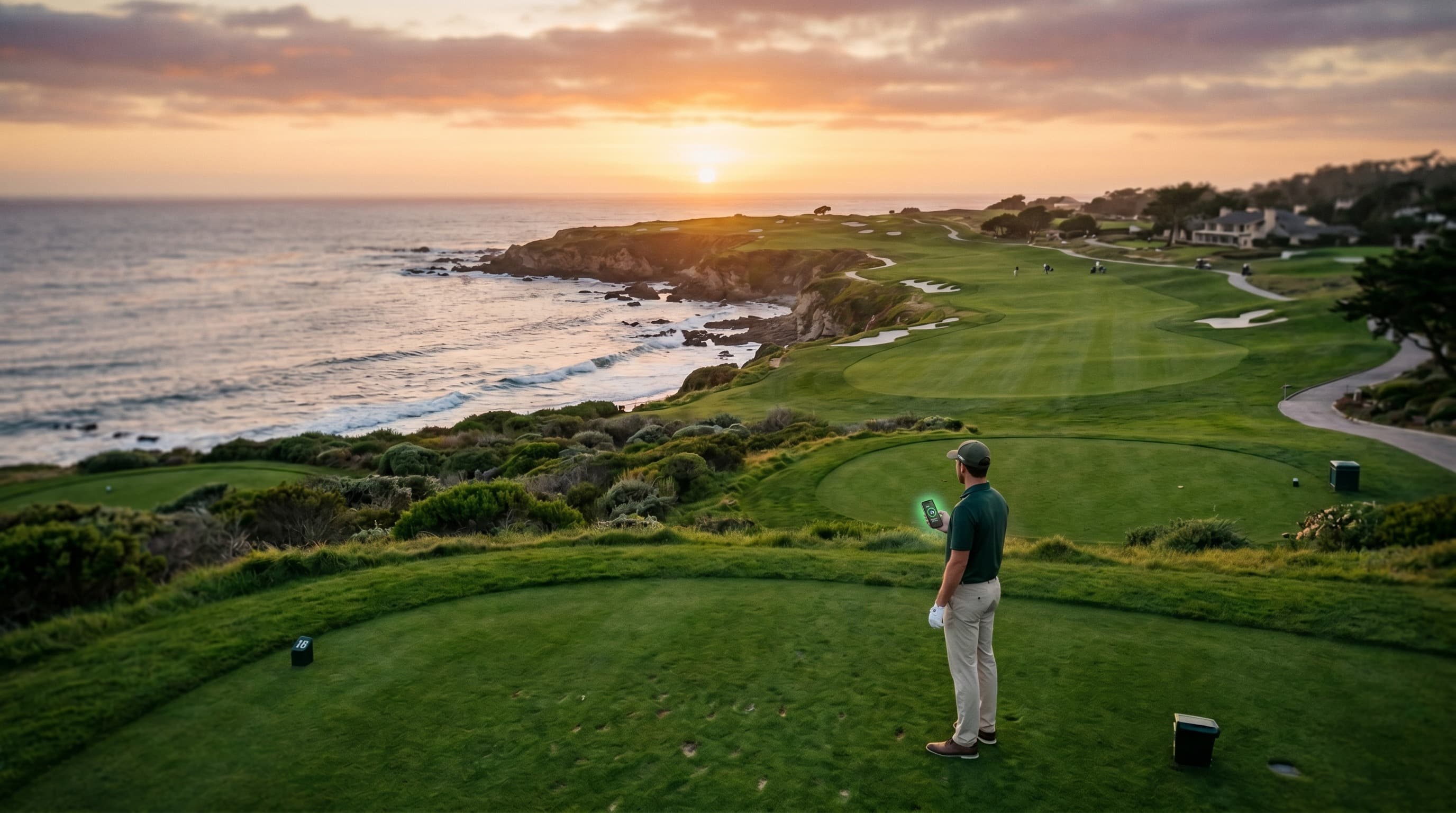
How to Read a G-Score: The 0–100 Golf Playability Number, Decoded
A G-Score on this site is a single 0–100 number that tells you whether today is worth tee-up. Here is exactly what each band means, what drives the calculation, and how to use it to plan a round you will actually score on.
Read Story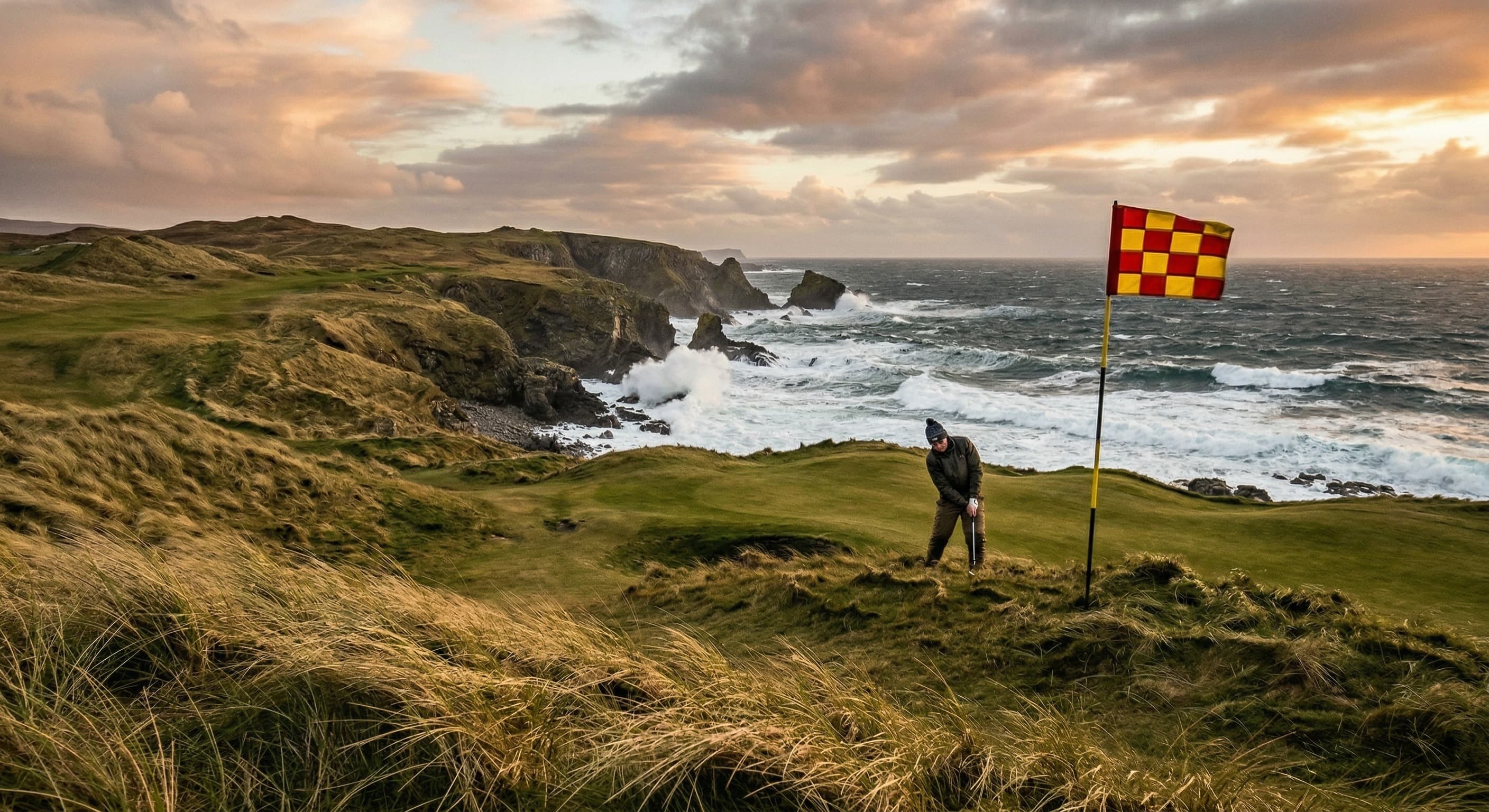
America's 20 Windiest Golf Courses: A G-Score Wind Analysis
We ranked America's 20 windiest golf courses using G-Score wind penalty data. See how coastal gusts and prairie gales reshape playability scores.
Read StoryMinSu Kim
Founder & Golf Data Analyst
MinSu is a data analyst and golfer with 10+ years on the course. He built Golf Weather Score to answer one question: is today a good day to play? He combines weather data, course intelligence, and the proprietary G-Score algorithm to help golfers make smarter decisions.
Every Friday Morning
When Black Horse Golf Course plays best next weekend.
Friday 6am ET: peak G-Score windows for Black Horse Golf Course, wind direction by hour, and one gear call. Three minutes to read, save you the round.
One email a week. Unsubscribe in one click.
The Caddie's Oracle
Draw your luck before the tee off