
Caddie's Gear Advisor
Curated for today's 63°F · Clear
Tour-Level Drivers
Engineered for maximum distance and forgiveness
Laser Rangefinders
Pin-seeking technology for precision approaches
Premium Golf Balls
Tour-caliber spin and distance performance
Performance Sunglasses
Polarized lenses optimized for reading greens
Your Golf Trip, Handled
The Ultimate Golf Trip Planner
Everything you need to play TPC Harding Park — from booking your flight to checking in course-side.
Best time to golf in CaliforniaCourse-Side Stays
Luxury hotels, resorts, and stay-and-play packages just minutes from the first tee.
Flights
Compare fares across 700+ airlines for the best route to your tee time.
SUV Rentals for Golf Bags
Spacious vehicles with room for clubs, bags, and your foursome.
Travel Insurance
Coverage for medical, weather delays, and gear at your destination.
TPC Harding Park: Course Intelligence
Signature Setup
I grew up two hours south of here and still drive up for a fog-soaked round when the rest of California is baking. TPC Harding Park sits on a peninsula between Lake Merced and the Pacific in southwest San Francisco — a municipal course, not a private club, opened in 1925 to a Willie Watson and Sam Whiting routing. Whiting is the same hand behind nearby Olympic Club, and you feel the family resemblance in the tight, tree-lined corridors.
A 2002–2003 renovation turned a tired muni into a tournament venue. It hosted the 2005 WGC-American Express (Tiger Woods won in a playoff over John Daly), the 2009 Presidents Cup, the 2015 WGC-Match Play, and the 2020 PGA Championship, where Collin Morikawa drove the green on the 16th in the final round to win his first major. From the championship tees it stretches past 7,200 yards, par 72, but the number on the card matters far less than the air it's played in.
Hole-by-Hole Wind & Playing Lines
The defining wind here is a west-to-northwest onshore breeze off the Pacific that builds through the afternoon. It does not blow consistently all day — that's the trap.
- Hole 9 (par-4, #1 handicap): Plays straight into the afternoon wind. A 150-yard approach in calm morning air becomes a 175-yard shot by 2 p.m. I've gone from a 7-iron at 8 a.m. to a 4-iron on the same hole after lunch. Keep your tee shot left-center off the cypress line crowding the right.
- Hole 18 (par-4, signature): Runs down the edge of Lake Merced with water all down the left and the wind quartering into you off the right. Bail-out is right, but the cypress eats anything pushed. Play your second a half-club longer than the yardage suggests.
- Hole 16 (par-5): Morikawa's hole. Reachable downwind in the morning, a genuine three-shot par-5 once the sea breeze fills in. Wind direction, not your swing, decides whether you go for it.
Green & Fairway Characteristics
The greens are Poa annua — bumpy by late afternoon as the surface grows, so morning putts roll truer. For championships they're firmed up and run in the low-11s on the stimp; for daily public play they're slower and more receptive. Fairways are a bent/poa mix framed by mature Monterey cypress that funnel wind and swallow loose tee shots. Rough is ryegrass and gets penal when grown out for events. The land is gently rolling, not severe — the course's teeth are the trees and the cold air, not elevation change.
Seasonal Weather Pattern
San Francisco's summer is the cold one — Mark Twain's old joke lives here. June through August, the marine layer (locals call it "Karl the Fog") sits over the course most mornings, with air temperatures in the low-to-mid 50s°F at dawn and rarely above the mid-60s by afternoon. The dew burns off slowly. Autumn — September and October — is the secret season: the fog thins, you get clear, still mornings in the low 60s, and the best scoring conditions of the year. Winter brings the rain. I haven't played it in a wet January, so I won't pretend to know how the poa drains under a storm; the historical record just says expect soft, slow surfaces December through February.
Local Play Tips
Two things the tee sheet won't tell you. First: book the earliest slot you can stand. The cold dense morning air actually kills carry distance, but the dead-calm more than makes up for it — your dispersion tightens dramatically before the sea breeze arrives. Second: the temperature swing is real. I've started a round in a quarter-zip at 54°F and been comfortable in a polo by the back nine. Pack a layer you can shed, and bring a towel for the fog-wet grips on the first three holes.
Pre-Round Weather Workflow
Use the 7-day G-Score on this course page to time your round, not just your week. Here the highest-scoring window is almost always the first two morning hours, before the onshore wind and chop arrive. Check the windExposure indicator the night before: if it's flagging a strong afternoon west wind, move your tee time earlier rather than fighting Holes 9, 16, and 18 into a 15–20 mph breeze. On a low-wind, post-fog autumn morning, this muni gives back birdies a major venue has no business giving — read the forecast and grab them.
Related Reading
Before you tee off at TPC Harding Park
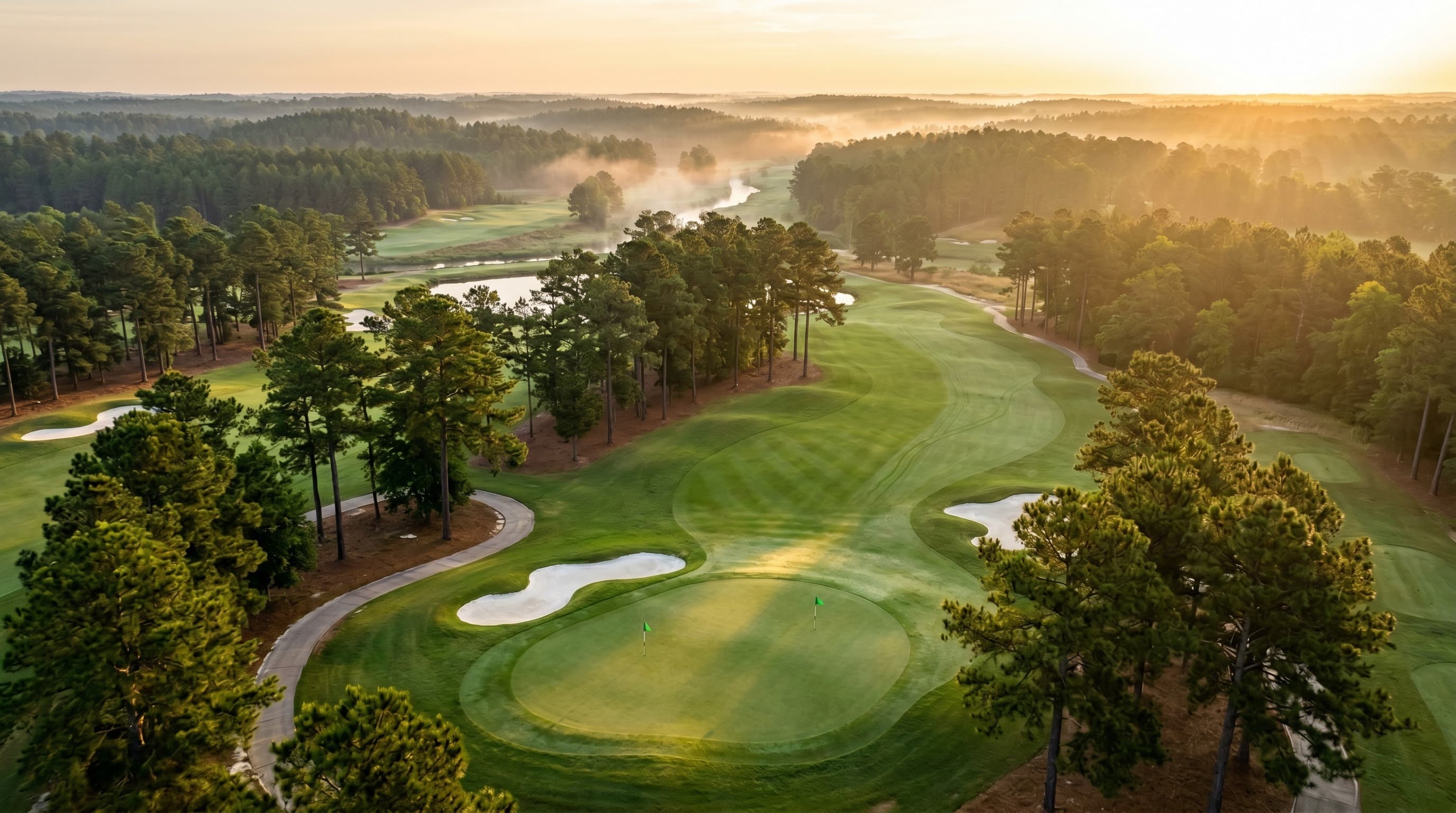
The May 2026 G-Score Heatmap: Where American Golf Peaks This Spring
May is the most underrated month on the American golf calendar. Five regions hit their annual peak this spring, three turn quietly hostile, and the data tells a clearer story than the brochures. Here is where to play, where to avoid, and how to time your booking window.
Read Story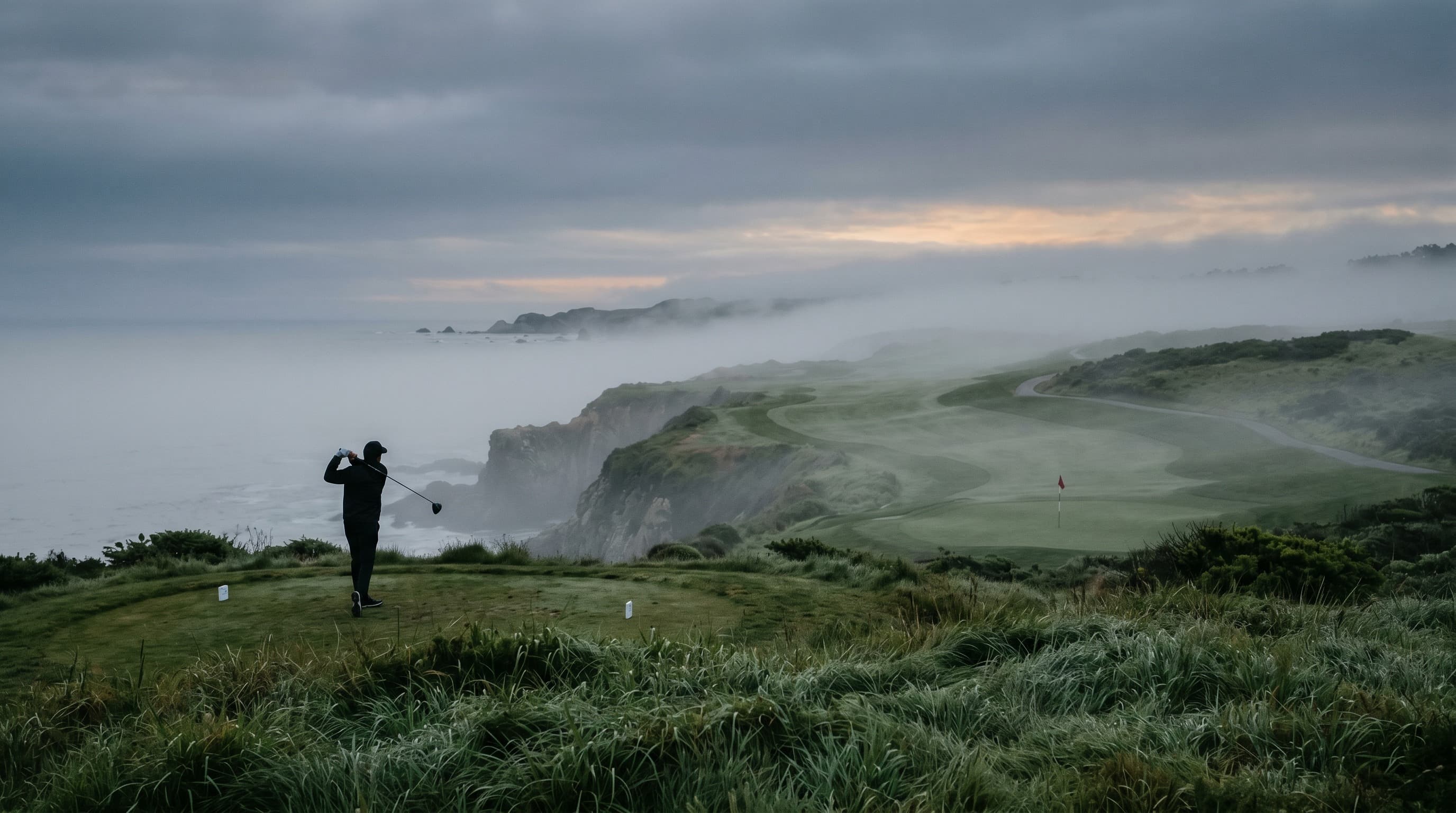
Reading Coastal Wind: How the Marine Layer Reshapes Pebble Beach, Bandon, and the Pacific Coast Game
Coastal golf does not play by inland rules. The marine layer suppresses wind in the morning, then releases it through midday in a thermal cycle that turns a calm 7am tee into a 22mph back nine. Here is the meteorology behind the pattern, the G-Score data that confirms it across the Pacific coast, and the morning workflow that turns the marine layer from a confusion into a competitive advantage.
Read StoryDanorie
Editorial & Data
Golf Weather Score is built by Danorie. We compute the G-Score — our own playability rating — from live NOAA forecasts and published course scorecards, so any US course can be compared on any day with a single number. Methodology and data sources are documented on every page.
Every Friday Morning
When TPC Harding Park plays best next weekend.
Friday 6am ET: peak G-Score windows for TPC Harding Park, wind direction by hour, and one gear call. Three minutes to read, save you the round.
One email a week. Unsubscribe in one click.
The Caddie's Oracle
Draw your luck before the tee off