
Caddie's Gear Advisor
Curated for today's 98°F · Clear
Ultralight Distance Drivers
Maximum carry in hot, low-drag conditions
UV Protection Apparel
UPF 50+ cooling fabrics for peak-sun rounds
Precision Rangefinders
Slope-adjusted yardage in any condition
Hydration & Cooling
Insulated bottles and cooling towels
Your Golf Trip, Handled
The Ultimate Golf Trip Planner
Everything you need to play Adobe Creek National Golf Course — from booking your flight to checking in course-side.
Course-Side Stays
Luxury hotels, resorts, and stay-and-play packages just minutes from the first tee.
Flights
Compare fares across 700+ airlines for the best route to your tee time.
SUV Rentals for Golf Bags
Spacious vehicles with room for clubs, bags, and your foursome.
Travel Insurance
Coverage for medical, weather delays, and gear at your destination.
Adobe Creek National Golf Course: Course Intelligence
Signature Setup
Adobe Creek sits on the southern edge of Petaluma, where Sonoma County's wine flats run down toward San Pablo Bay. Robert Trent Jones II laid it out in 1990 across roughly 150 acres of former ranch land, routing the holes around natural drainage channels — the creek the course is named for crosses or borders nearly half the holes. From the back tees it plays about 6,886 yards to a par of 72, with a slope in the mid-120s. It is not a long course by modern standards, but it does not need length. Jones used water and wind as the defense, and in this corner of California, wind is never a hypothetical.
The 18th is the hole people remember: a 545-yard par-5 with the creek cutting across the fairway short of the green, forcing a layup decision that the wind direction decides for you. I've stood on that tee twice, both times in the afternoon, both times re-clubbing because the number on my rangefinder lied.
Hole-by-Hole Wind & Playing Lines
The defining weather fact at Adobe Creek is the Petaluma Gap — a low break in the coastal hills that funnels cool Pacific air inland nearly every afternoon. The wind here is not random; it has a schedule.
- Hole 4 (par-4, 432y, #1 handicap): Plays roughly into the prevailing WNW Gap wind. In the morning it's a driver and a short iron; by 2 p.m. that same approach is a driver and a 4-iron. Aim left-center off the tee — the wind pushes everything right toward the creek line.
- Hole 12 (par-3, 178y): A crosswind hole. When the Gap is honking at 18–20 mph out of the west, this plays as a hard left-to-right shot; I've watched a well-struck 6-iron land 20 feet right of where it was aimed. Start it at the left bunker and let the wind bring it back.
- Hole 18 (par-5, 545y): Downwind off the tee, then the second shot turns into a quartering headwind near the creek crossing. The wind that helps your drive punishes your layup. Most afternoons, lay back to a full wedge rather than flirting with the water on a knockdown.
Green & Fairway Characteristics
The greens are bentgrass and run medium-paced in spring — call it 9 on the Stimp — but firm up noticeably by late summer once the marine layer burns off earlier in the day. The fairways are ryegrass, lush and receptive from the winter rains through May, then firm and fast-running by August. Front nine plays slightly longer on the card; the back nine is tighter, with the creek squeezing landing areas on 12 through 15. Doglegs are mild here — Jones favored gentle bends over forced carries — so the premium is on controlling trajectory in wind, not shaping the ball around trees.
Seasonal Weather Pattern
Petaluma is one of the coolest inland spots in wine country, and it's the Gap that does it. Summer mornings often start under fog or a marine layer in the high 50s°F, burning off by 10 or 11 a.m. to clear skies in the low 70s. The catch is the afternoon: as the Central Valley heats up, it pulls marine air through the Gap, and the wind climbs from near-calm at dawn to a steady 15–22 mph by mid-afternoon, June through September. Winter (December–February) is the rainy season — fairways soft, greens slow, but the wind backs off and the air goes still and cold, often low 40s°F at an early tee time. October is the quiet sweet spot: warm, dry, and the Gap wind is at its weakest of the year.
Local Play Tips
Two things the booking page won't tell you. First, the first three holes are your scoring window — they're routed to be partly sheltered, and you'll want to be at or under par before the course opens up to the wind on the 4th. Second, the creek is seasonal: after a dry summer, several of the crossings are dry beds by September, and you can sometimes chase a ball through them and play on. In a wet spring, those same beds are full and very much in play. Walk the first one you reach and you'll know which course you're playing that day.
Pre-Round Weather Workflow
Use the 7-day G-Score forecast on this page the night before, and read it for time of day, not just the date. At Adobe Creek the single most valuable number is wind onset — check the hourly wind and book the earliest tee time you can tolerate. A 7:30 a.m. start in July routinely scores 8–12 G-Score points higher than a 2:30 p.m. start on the identical day, purely because of the Gap. Cross-reference the windExposure indicator: on days flagged for strong WNW flow, plan for holes 4, 12, and 18 to play a full club-and-a-half longer than their yardage, and club up before you walk to the tee, not after you've already come up short.
Related Reading
Before you tee off at Adobe Creek National Golf Course
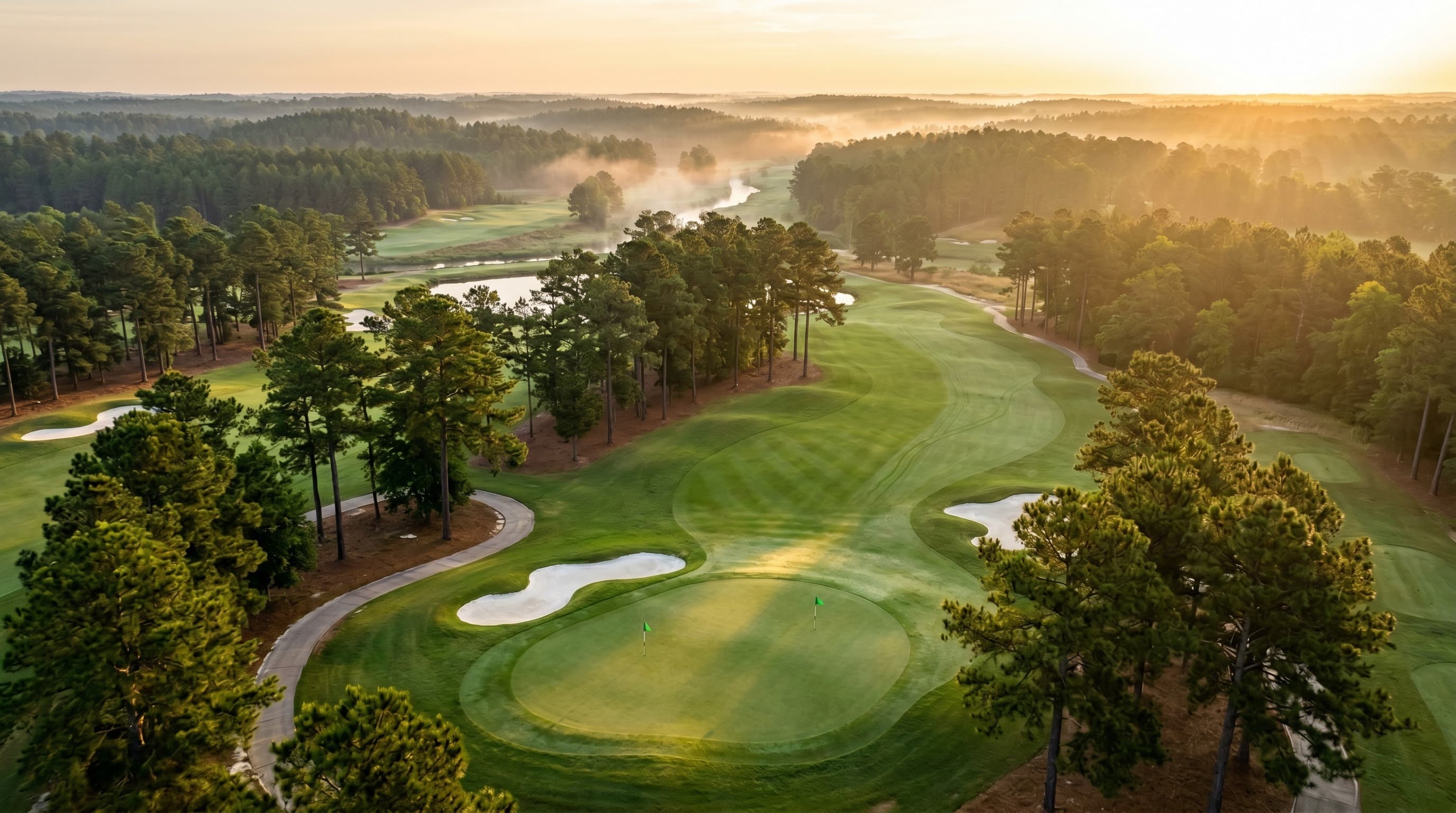
The May 2026 G-Score Heatmap: Where American Golf Peaks This Spring
May is the most underrated month on the American golf calendar. Five regions hit their annual peak this spring, three turn quietly hostile, and the data tells a clearer story than the brochures. Here is where to play, where to avoid, and how to time your booking window.
Read Story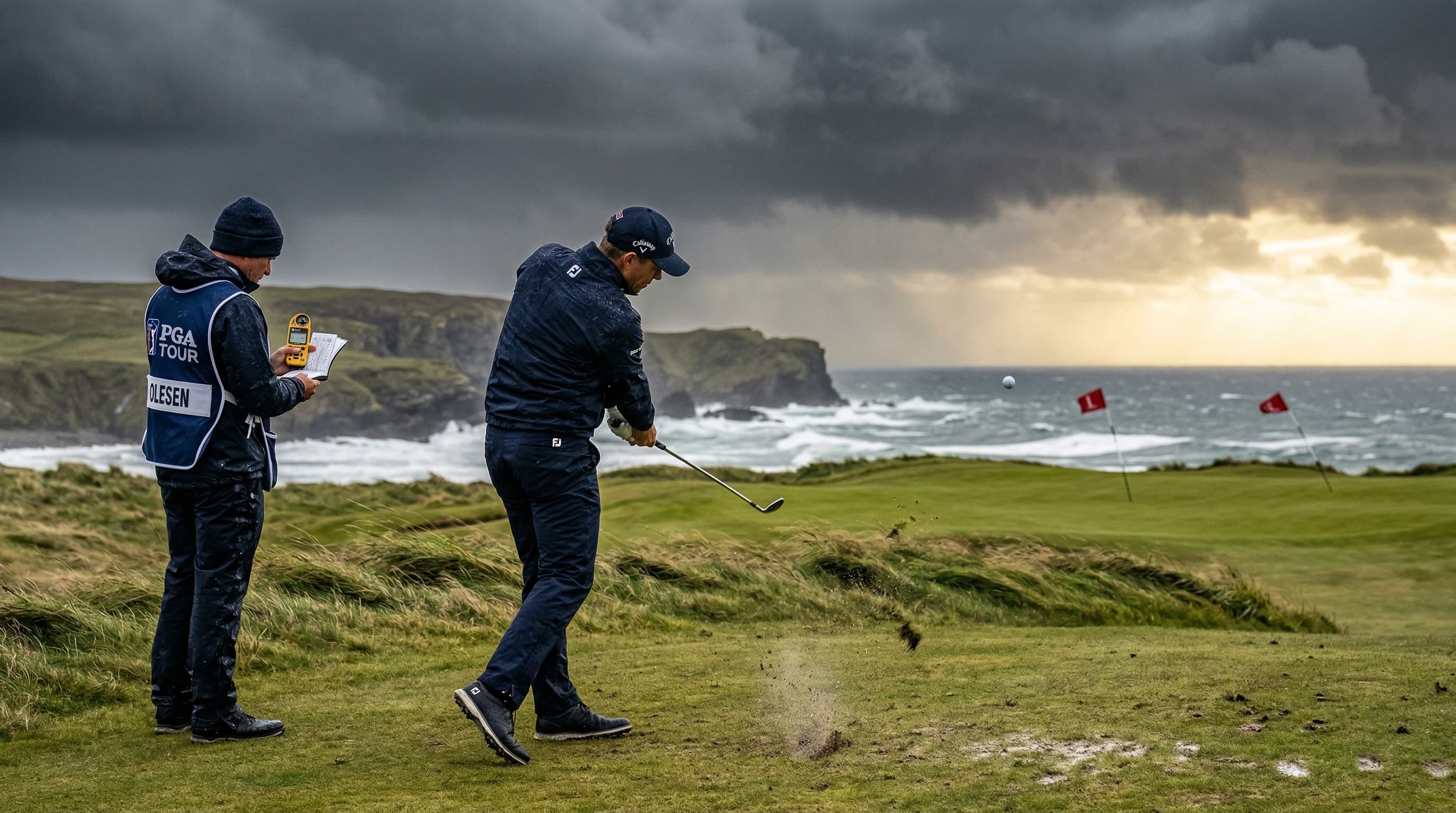
Golf Weather Physics: How Temperature, Altitude, and Humidity Change Ball Flight
Real physics data on how temperature, altitude, humidity, and wind change your golf ball flight — with specific yard adjustments, named course examples, and measured G-Score data from courses we track daily.
Read StoryMinSu Kim
Founder & Golf Data Analyst
MinSu is a data analyst and golfer with 10+ years on the course. He built Golf Weather Score to answer one question: is today a good day to play? He combines weather data, course intelligence, and the proprietary G-Score algorithm to help golfers make smarter decisions.
Every Friday Morning
When Adobe Creek National Golf Course plays best next weekend.
Friday 6am ET: peak G-Score windows for Adobe Creek National Golf Course, wind direction by hour, and one gear call. Three minutes to read, save you the round.
One email a week. Unsubscribe in one click.
The Caddie's Oracle
Draw your luck before the tee off