
Caddie's Gear Advisor
Curated for today's 56°F · Clouds
Tour-Level Drivers
Engineered for maximum distance and forgiveness
Laser Rangefinders
Pin-seeking technology for precision approaches
Premium Golf Balls
Tour-caliber spin and distance performance
Performance Sunglasses
Polarized lenses optimized for reading greens
Your Golf Trip, Handled
The Ultimate Golf Trip Planner
Everything you need to play American Dunes Golf Club — from booking your flight to checking in course-side.
Course-Side Stays
Luxury hotels, resorts, and stay-and-play packages just minutes from the first tee.
Flights
Compare fares across 700+ airlines for the best route to your tee time.
SUV Rentals for Golf Bags
Spacious vehicles with room for clubs, bags, and your foursome.
Travel Insurance
Coverage for medical, weather delays, and gear at your destination.
American Dunes Golf Club: Course Intelligence
Signature Setup
American Dunes sits in Grand Haven, Michigan, about two miles inland from Lake Michigan's eastern shore. Jack Nicklaus redesigned the old Grand Haven Golf Club here and reopened it in 2021 as a charity course — every dollar of profit funds Folds of Honor scholarships, the foundation started by Major Dan Rooney, an F-16 pilot and PGA professional. That mission is not a marketing line bolted on after the fact; it shapes the round. Play pauses at the par-3 14th for a tribute, and the course flies one of the largest American flags I have seen on a golf property.
Nicklaus stripped the site back to its natural sand. The result is a sand-capped, dunes-style layout that drains hard and firms up fast — closer in feel to a Midwest version of links turf than the parkland course that stood here before. Par is 72, and from the back tees it runs north of 7,200 yards, though most members play it well forward of that. The routing moves through low dunes and scrub, with waste areas and native fescue framing the corridors rather than tree lines.
Hole-by-Hole Wind & Playing Lines
The defining variable here is the lake breeze. Grand Haven sits close enough to Lake Michigan that an off-lake WNW wind builds most summer afternoons, and the three hardest holes all expose you to it.
- Hole 4 (par-4, #1 handicap, ~455y): Into a WNW breeze this is the hardest swing on the property. The fairway bunkers down the left pinch the ideal line, and when the wind stands the ball up your 455-yard card number plays past 480. I would rather be short and right with a clean wedge than flirt with the left sand. Take one more club into the green and accept the front edge.
- Hole 9 (par-4): Plays back toward the clubhouse and often into a left-to-right crosswind in the afternoon. The miss is right into native fescue, so favor the left half off the tee and let the wind work the ball back.
- Hole 14 (par-3, signature): Downwind off the lake on a typical summer afternoon, which sounds friendly until you realize a firm, fast green with the breeze at your back releases everything. Land it short and let it run. This is the tribute hole — worth being present for, not just scoring.
Green & Fairway Characteristics
The surfaces are bentgrass tee-to-green, sitting on a sand cap that keeps fairways firm and running. Expect roll. A drive that carries 250 can finish well past 270 on a dry July afternoon, which changes club selection on every approach. Greens run firm and fast — I would put a tournament-day stimp in the 11–12 range, and even on a normal day they hold less than a parkland green would. Slope from the members' tees sits in the low 130s, so the trouble is more about firmness and wind than raw severity.
Because the site is sand-capped, the course plays very differently wet versus dry. After rain it is gettable and the greens take a full shot. Two dry days later, the same approach needs to land ten yards short and chase on. Read the firmness before you trust your yardage.
Seasonal Weather Pattern
Western Michigan's golf window is tight. The course typically opens in April and runs into late October, with the prime stretch from June through September. July and August daytime highs sit in the upper 70s to low 80s°F, with morning starts often in the low 60s — pleasant, but the lake breeze is the catch. Mornings are frequently calm; by late morning to early afternoon the WNW off-lake wind picks up and can reach 12–18 mph, which is exactly when the front-nine holes that played short start fighting back.
Spring and fall flip the wind story: a colder NW or NNW flow off the lake drops the apparent temperature noticeably, and a 55°F October morning with a 15 mph lake wind feels closer to 45. That cold, dense air costs carry distance — plan for a club more on every iron in those conditions.
Local Play Tips
Book the earliest tee time you can get in summer. The single most useful piece of local knowledge here is timing: the front nine plays close to a full club shorter before the lake breeze turns on, usually before 11 a.m. By mid-afternoon the same holes into the wind feel like a different course. An 8 a.m. round and a 2 p.m. round at American Dunes are not the same test.
Second: respect the firmness on approach. Players who arrive expecting soft, target-style greens leave a lot of shots short. Land the ball on the front third and let the sand-capped surfaces do the work.
Pre-Round Weather Workflow
Use the 7-day G-Score on this course page as your tee-time selector, not just a yes/no on rain. For American Dunes the highest-scoring windows are calm summer mornings before the lake breeze builds — check the wind-onset timing, not only the daily average. Watch the windExposure indicator: a WNW or NW reading means the off-lake breeze is in play and the front nine and Hole 14 will both shift. If the forecast shows wind climbing through late morning, move your start earlier rather than later. A high G-Score morning here is genuinely worth waking up for.
Related Reading
Before you tee off at American Dunes Golf Club
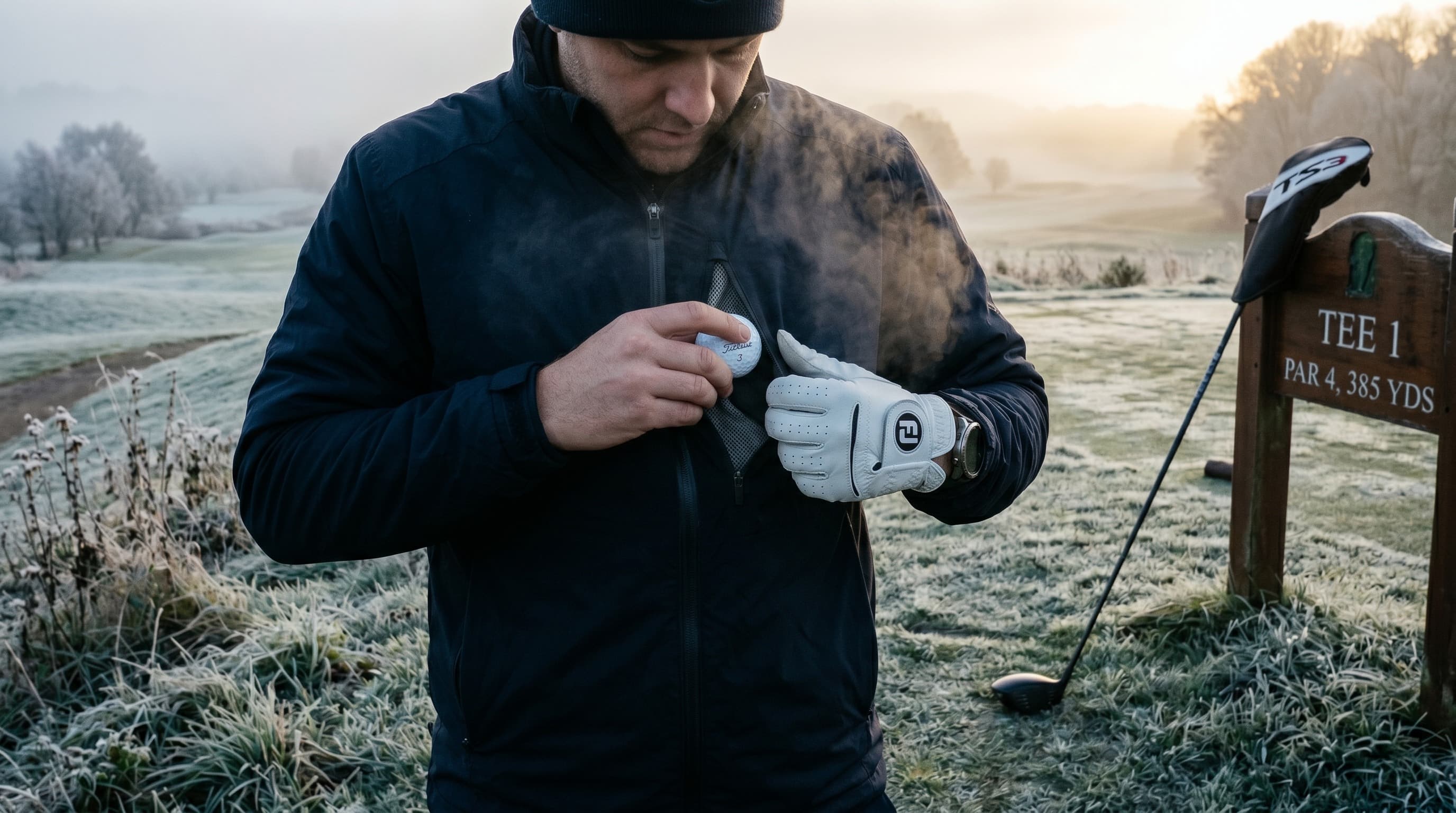
How Cold Weather Steals Distance: The Ball Compression Physics Every Golfer Should Know
Every 10°F drop costs the average golfer two to four yards of driver carry. Here is the physics — ball compression, air density, muscle temperature — and the field data we pulled from G-Score-monitored cold rounds to show exactly how distance loss compounds, and how to compensate without changing your swing.
Read Story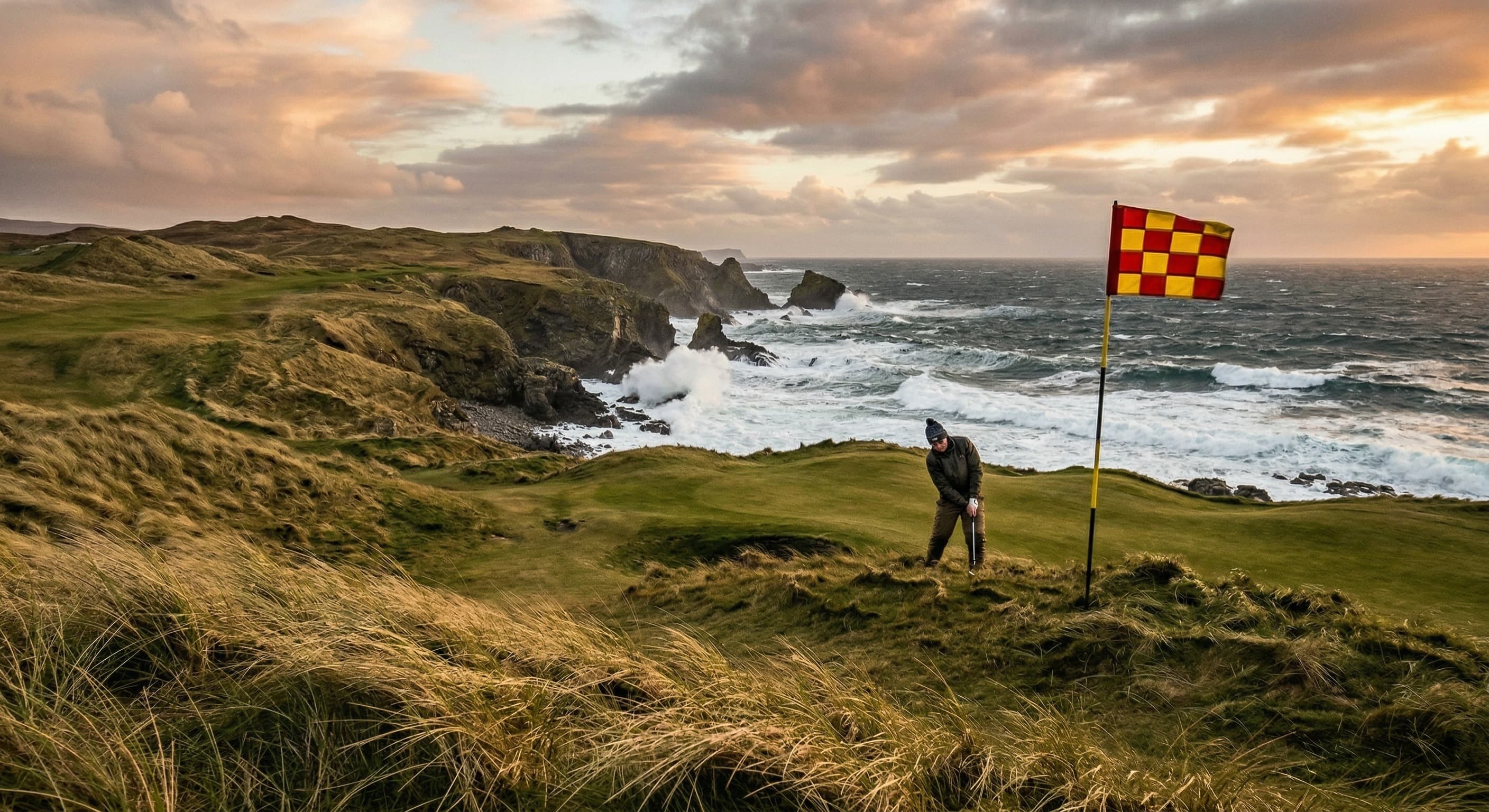
America's 20 Windiest Golf Courses: A G-Score Wind Analysis
We ranked America's 20 windiest golf courses using G-Score wind penalty data. See how coastal gusts and prairie gales reshape playability scores.
Read StoryMinSu Kim
Founder & Golf Data Analyst
MinSu is a data analyst and golfer with 10+ years on the course. He built Golf Weather Score to answer one question: is today a good day to play? He combines weather data, course intelligence, and the proprietary G-Score algorithm to help golfers make smarter decisions.
Every Friday Morning
When American Dunes Golf Club plays best next weekend.
Friday 6am ET: peak G-Score windows for American Dunes Golf Club, wind direction by hour, and one gear call. Three minutes to read, save you the round.
One email a week. Unsubscribe in one click.
The Caddie's Oracle
Draw your luck before the tee off