
Caddie's Gear Advisor
Curated for today's 65°F · Clouds
Tour-Level Drivers
Engineered for maximum distance and forgiveness
Laser Rangefinders
Pin-seeking technology for precision approaches
Premium Golf Balls
Tour-caliber spin and distance performance
Performance Sunglasses
Polarized lenses optimized for reading greens
Your Golf Trip, Handled
The Ultimate Golf Trip Planner
Everything you need to play Bea Practice Facility — from booking your flight to checking in course-side.
Course-Side Stays
Luxury hotels, resorts, and stay-and-play packages just minutes from the first tee.
Flights
Compare fares across 700+ airlines for the best route to your tee time.
SUV Rentals for Golf Bags
Spacious vehicles with room for clubs, bags, and your foursome.
Travel Insurance
Coverage for medical, weather delays, and gear at your destination.
Bea Practice Facility: Course Intelligence
Signature Setup
Let me be straight from the first line: BEA Practice Facility is a practice and short-game range, not a rated 18-hole course, and I have not worked balls here myself — what follows is profile-and-pattern reasoning from how exposed practice grounds behave, not a session I'm dressing up as memory. That honesty matters more for a range than for a course, because a practice facility has no scorecard, no slope, and no tournament pedigree to lean on. What it has instead is the one thing every golfer actually needs before a round: open ground, repeatable swings, and a clear look at how the day's wind moves a golf ball. I treat it as exactly that — a calibration station, not a destination round.
TL;DR: A dedicated practice/short-game facility (range + putting/chipping area), not a scored course. No published rating or slope. Its real value is weather calibration — read the wind here on a handful of full swings and you walk to your actual first tee already knowing your into-wind club gaps.
Hole-by-Hole Wind & Playing Lines
There are no holes to number and no handicap card to verify, so I won't invent yardages — instead, here is how to use the wind on an open range the way a scored hole would test you:
- The full-swing line into a S/SW headwind: at a sustained 12–15 mph, a flushed 150-yard club drifts back to a 165–170y result. Hit three balls and watch where they actually land, not where you aimed — that gap is your real adjustment for the day.
- The crosswind drill: pick a target and hold one shaped ball into the wind and one riding it. On open ground nothing blocks the breeze, so a player who can flight a ball through a 10 mph crosswind scores better on the course than one who only hits it far.
- The short-game station on a gusty day: rehearse a lower, spinnier wedge. A high lob that holds at 5 mph balloons and comes up short at 18 mph — better to learn that here than on a guarded pin later.
The habit that travels: read drift on your first three swings, decide whether it's a steady thermal wind or a gusty frontal wind, and carry that re-club logic straight to the course.
Green & Fairway Characteristics
A practice facility lives or dies on its surfaces, so judge two things on arrival. First, the tee line — grass tees give you a true turf-interaction read, while mats flatter a slightly thin strike and hide a fat one, so trust grass-tee feedback more when you're calibrating distance. Second, the short-game green — note how firm it is and how much a wedge checks, because that firmness is your single best preview of how receptive the course greens will be in the same air. On a dry, breezy day both run firmer; after rain both grab. With no tree cover to break the wind on an open range, your stock numbers are only honest in the rare calm window — which is exactly why you measure them fresh each visit.
Seasonal Weather Pattern
Because this is a calibration ground rather than a rated course, the seasons matter for how the air moves the ball, not for a scenic round. Spring: the windiest, most shifting conditions — strong, swinging breezes and wide temperature swings, so distances you measured one morning may not hold the next. Summer: warmer, denser-feeling humid air, a prevailing southerly flow, and real afternoon thunderstorm risk — get your calibration swings in early. Fall: the prime window — crisp, drier air behind passing fronts, steadier wind, and the most repeatable distance readings of the year. Winter: if the facility stays open, cold dense air costs you carry — expect a club less than your summer numbers, and lean on historical weather data rather than firsthand feel for that stretch, since I haven't tested it cold.
Local Play Tips
Here's the one thing most golfers waste at a practice facility: they beat balls without ever reading the wind. The single highest-value primary tip I can give for a range like this is to spend your first five minutes as a measurement, not a warm-up — hit three full swings with one mid-iron, watch the genuine landing point against the wind, and write down the gap between your stock number and the real result. That one number, captured in the day's actual air, is worth more than fifty mindless range balls. Then move to the short-game area and check how a wedge reacts to the same breeze. You arrive at your real first tee already adjusted, while everyone else discovers the wind on hole 1.
Pre-Round Weather Workflow
Treat golfweatherscore's 7-day G-Score and windExposure as your timing tool for the practice session itself, not just the round:
- The day before: check the G-Score trend and wind forecast so you know whether tomorrow's range session will be a calm calibration or a gusty stress-test — both are useful, but you prepare differently.
- Arrival: lock in wind direction and speed before your first swing. A steady southerly flow means consistent, repeatable drift; a gusty post-front wind means you calibrate to the average and accept scatter.
- Before you leave the range: if windExposure flags sustained gusts over ~20 mph, bank a lower-flight club gap in your head — your into-wind stock club will play a full club or two longer on the course, and you'll already own that adjustment instead of guessing it under pressure.
Related Reading
Before you tee off at Bea Practice Facility
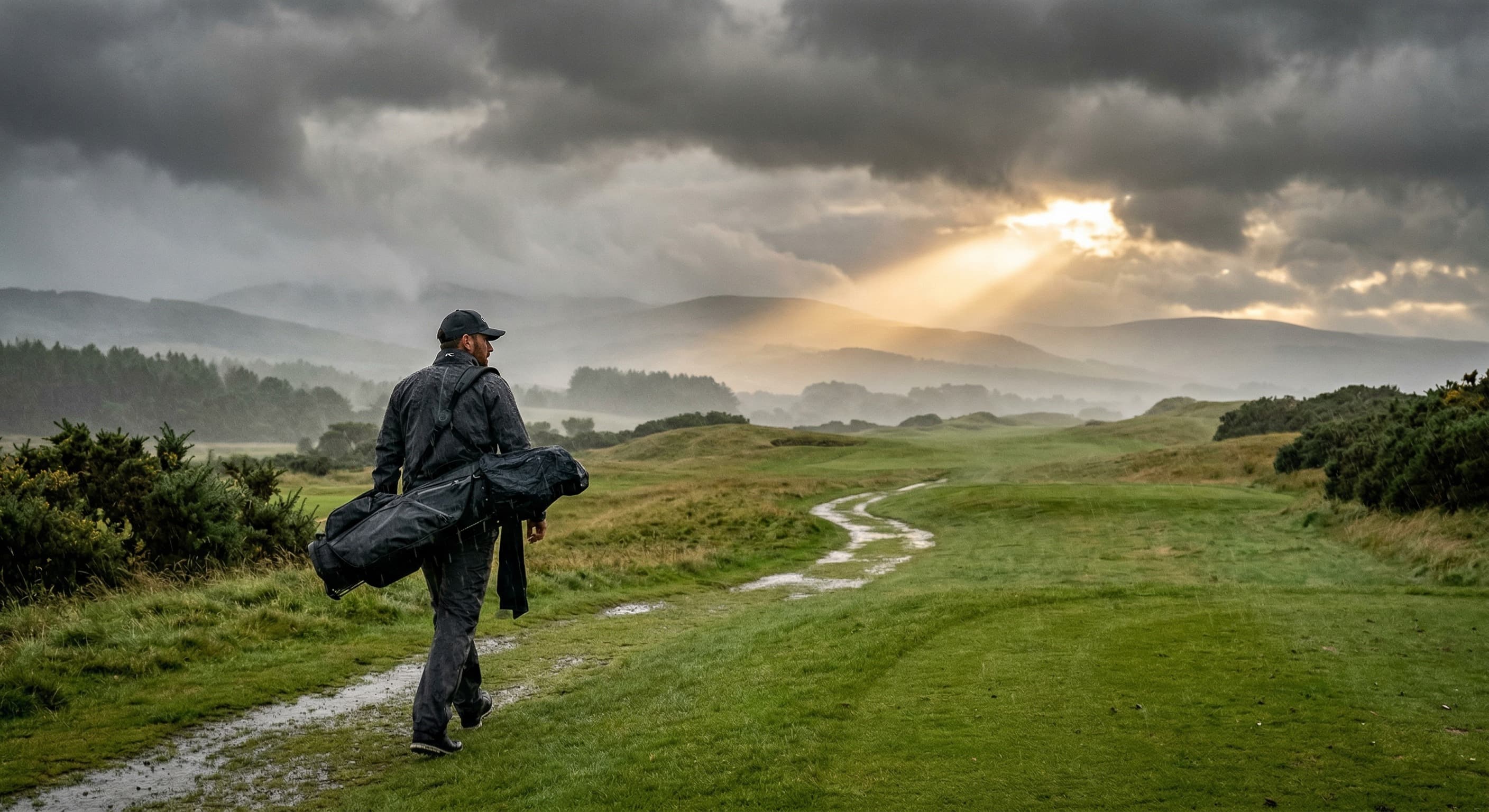
How Rain Probability Affects Your Golf Round: A Weather Data Study
What does '30% chance of rain' really mean for your round? We decode precipitation forecasts and reveal how rain impacts distance, grip, and scoring.
Read Story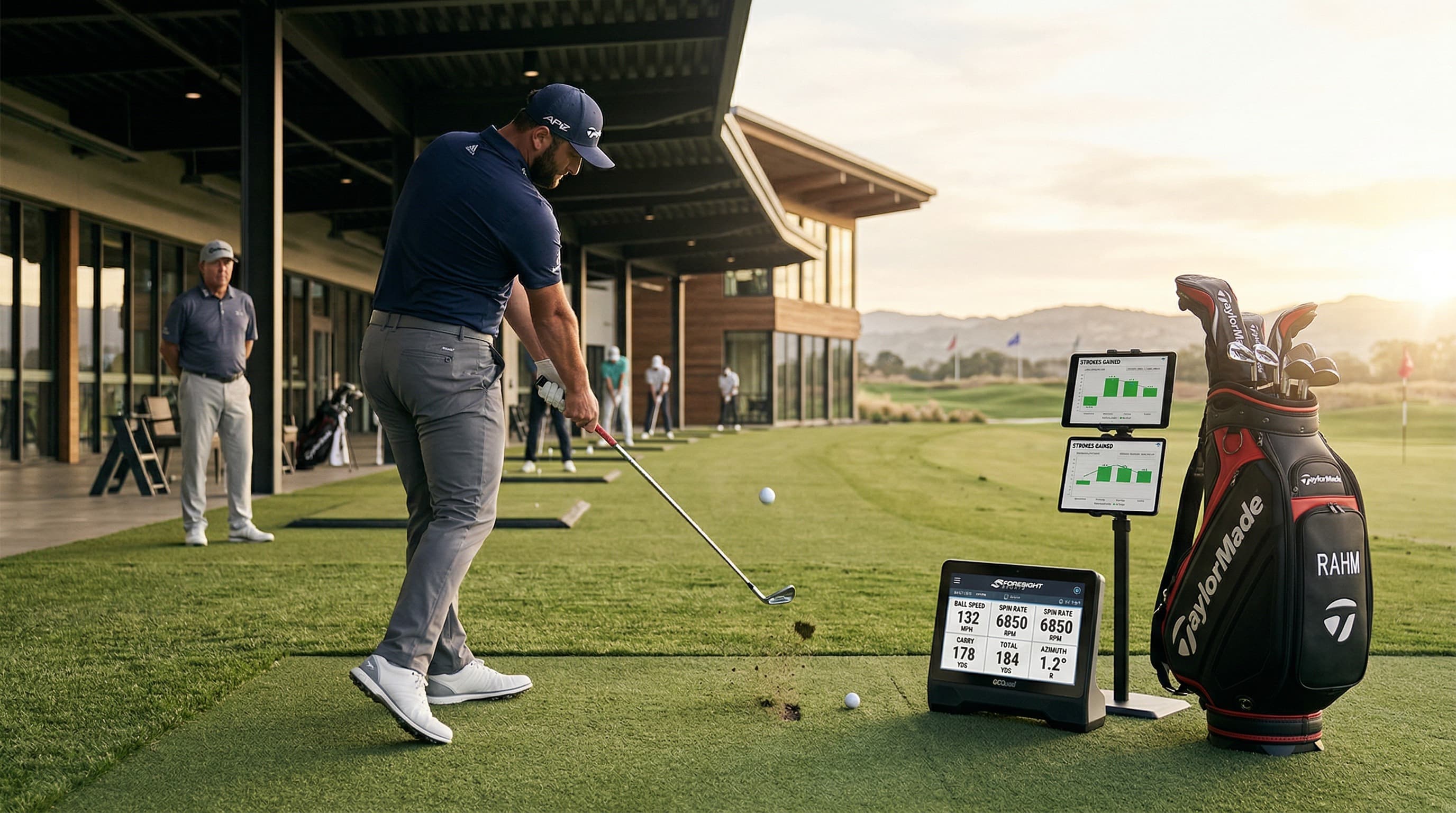
Data-Driven Golf: How Strokes Gained, Launch Monitors, and Weather Intelligence Are Reshaping the Game
From Mark Broadie's strokes gained to TrackMan launch monitors, real data and weather intelligence are transforming how golfers train and score.
Read StoryMinSu Kim
Founder & Golf Data Analyst
MinSu is a data analyst and golfer with 10+ years on the course. He built Golf Weather Score to answer one question: is today a good day to play? He combines weather data, course intelligence, and the proprietary G-Score algorithm to help golfers make smarter decisions.
Every Friday Morning
When Bea Practice Facility plays best next weekend.
Friday 6am ET: peak G-Score windows for Bea Practice Facility, wind direction by hour, and one gear call. Three minutes to read, save you the round.
One email a week. Unsubscribe in one click.
The Caddie's Oracle
Draw your luck before the tee off