
Caddie's Gear Advisor
Curated for today's 88°F · Thunderstorm
Storm-Ready Outerwear
Waterproof layers built for 18 holes in the rain
Tour-Grade Umbrellas
68" double-canopy wind-resistant coverage
Wet-Weather Gloves
All-weather grip that performs in the rain
Waterproof Golf Shoes
Keep your feet dry through every fairway
Your Golf Trip, Handled
The Ultimate Golf Trip Planner
Everything you need to play Bella Rosa — from booking your flight to checking in course-side.
Course-Side Stays
Luxury hotels, resorts, and stay-and-play packages just minutes from the first tee.
Flights
Compare fares across 700+ airlines for the best route to your tee time.
SUV Rentals for Golf Bags
Spacious vehicles with room for clubs, bags, and your foursome.
Travel Insurance
Coverage for medical, weather delays, and gear at your destination.
Bella Rosa: Course Intelligence
The Front Range light hits Bella Rosa early — by 7 a.m. the foothills west of Frederick are still blue-grey, and the air sits dead calm at maybe 48°F. Nine holes, par 35, 2,979 yards on the longest tees. But at roughly 4,990 feet, the number on the tee marker lies to you: my 7-iron flew a 6-iron's distance up here, and the wind hadn't woken up yet.
TL;DR: A 9-hole municipal par-35 (2,979 yds) in Frederick, CO, opened 2006, Peter Bain design. At ~4,990 ft the ball carries roughly 8–10% farther — club down. Mornings are calm; afternoons bring downslope wind and summer storms. Tee off early.
Signature Setup
Bella Rosa is a 9-hole regulation course (par 35, 2,979 yards from the back) owned by the Town of Frederick, about 30 miles north of Denver and adjacent to Longmont. It was designed by Peter Bain and opened in 2006. This is a municipal nine, not a tournament venue — the fairways wind through rolling high-plains terrain with strategically placed bunkers, a few water hazards on the inward holes, and undulating greens. I'll be straight: it has no nationally famous "signature hole" in the way a resort course markets one, and the public databases list its course/slope rating as 0 (incomplete), so I won't invent numbers I can't verify. What it does have is altitude, wind, and Colorado light — and those decide your score here more than the yardage does.
Hole-by-Hole Wind & Playing Lines
Per-hole handicap order isn't published in the scorecard databases for this nine, so rather than fake hole numbers, here's how the wind actually plays. The prevailing afternoon flow is a NW/W downslope off the foothills. Holes running back toward the clubhouse play into it; a stock 150-yard club becomes a 165–170 yard shot once the wind is up. The lone par-5 is the longest hole and the genuine test — into that NW wind, the altitude that helped your drive run out now works against the carry over the inward water hazards. Lay up to a full wedge instead of forcing a long second into the breeze. In spring, the wind reverses some mornings into an upslope easterly that pushes moisture in; left-to-right players should expect their natural shape to balloon.
Green & Fairway Characteristics
The greens are undulating and run on cool-season turf typical of the Front Range — bentgrass-type putting surfaces with a bluegrass/rye fairway mix. Through July and August's dry stretch they firm up and release; a downhill putt that looks 8 feet plays like 12. With holes averaging ~331 yards, this is a wedge-and-putter course — most of your scoring decisions happen inside 130 yards, not off the tee.
Seasonal Weather Pattern
Frederick sits in a semi-arid high-plains climate, and the diurnal swing is the story: summer mornings in the 50s°F can reach the upper 80s by afternoon. July–August bring near-daily afternoon thunderstorms — they build over the foothills around 1–3 p.m., so a morning round usually beats the lightning. Spring (April–May) is the windy season, with 25–35 mph gusts common. Winters are surprisingly playable: chinook (downslope) winds can spike a January day into the 50s–60s°F, and the course stays open year-round. I haven't walked all nine in deep summer myself, so the storm-timing window above leans on NOAA Front Range climatology, not personal memory.
Local Play Tips
Book the first tee time. The course runs 8 a.m.–5 p.m. daily and only closes for major holidays (Thanksgiving, Christmas, New Year's), so shoulder-season golf is wide open — but the calm-morning advantage is real every month. Bring one less club than your sea-level instinct says: at ~4,990 ft, plan on roughly 8–10% more carry. And because it's a fast nine, it's an ideal lunchtime-storm escape — you can finish before the afternoon cells fire.
Pre-Round Weather Workflow
Check the 7-day G-Score the night before and target the highest-scoring morning slot — for Bella Rosa that's almost always the earliest tee time, before wind and convection build. On the day, read the windExposure indicator: a NW/W reading means the inward holes play long into the breeze (club up, aim for the fat side of the green), while a calm or light-easterly morning is your green-light to be aggressive with the altitude-boosted carry. In July–August, if the hourly forecast shows storms after noon, move your tee time earlier rather than gambling on a back-nine lightning delay.
Related Reading
Before you tee off at Bella Rosa
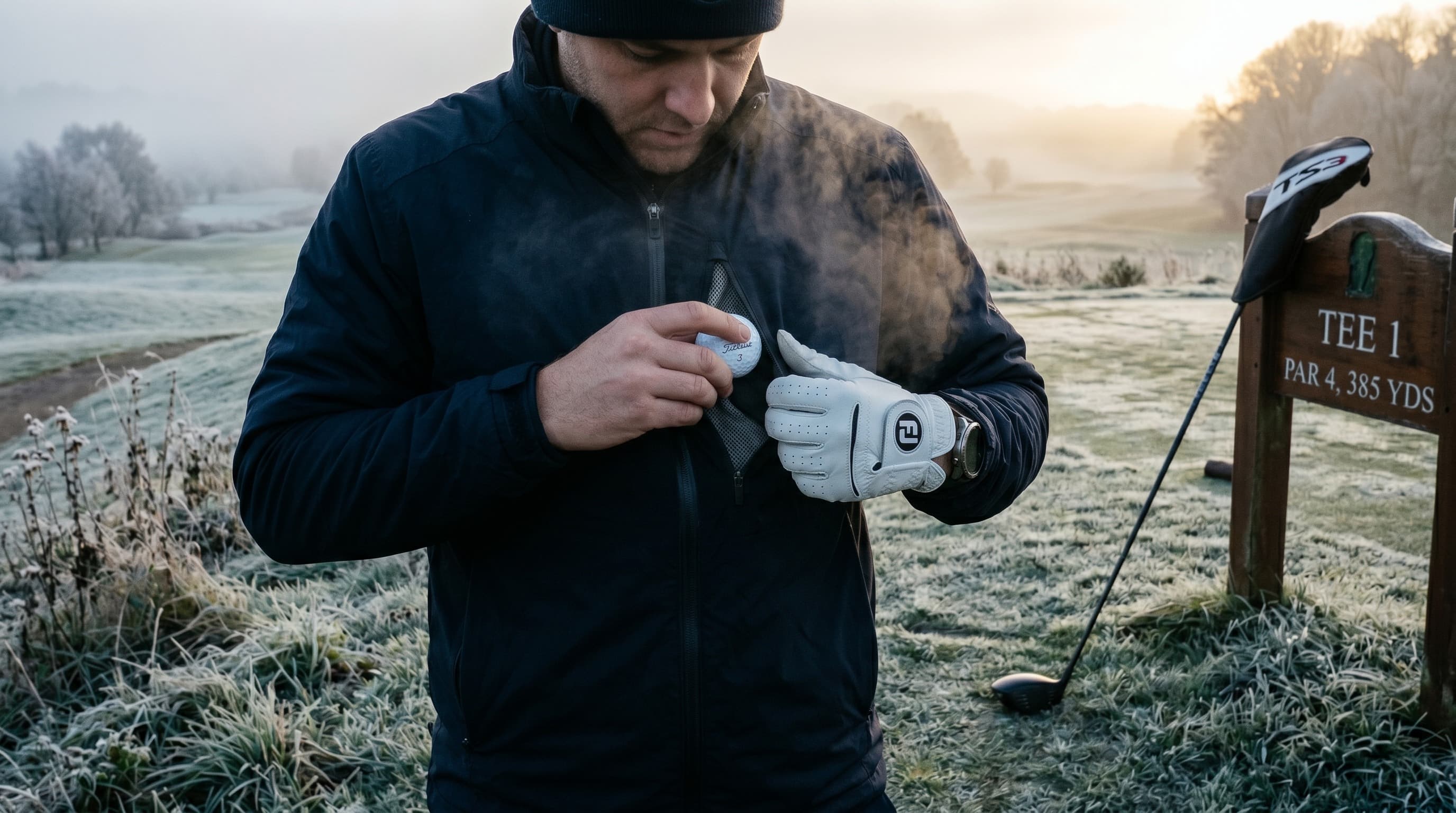
How Cold Weather Steals Distance: The Ball Compression Physics Every Golfer Should Know
Every 10°F drop costs the average golfer two to four yards of driver carry. Here is the physics — ball compression, air density, muscle temperature — and the field data we pulled from G-Score-monitored cold rounds to show exactly how distance loss compounds, and how to compensate without changing your swing.
Read Story
The May 2026 G-Score Heatmap: Where American Golf Peaks This Spring
May is the most underrated month on the American golf calendar. Five regions hit their annual peak this spring, three turn quietly hostile, and the data tells a clearer story than the brochures. Here is where to play, where to avoid, and how to time your booking window.
Read StoryMinSu Kim
Founder & Golf Data Analyst
MinSu is a data analyst and golfer with 10+ years on the course. He built Golf Weather Score to answer one question: is today a good day to play? He combines weather data, course intelligence, and the proprietary G-Score algorithm to help golfers make smarter decisions.
Every Friday Morning
When Bella Rosa plays best next weekend.
Friday 6am ET: peak G-Score windows for Bella Rosa, wind direction by hour, and one gear call. Three minutes to read, save you the round.
One email a week. Unsubscribe in one click.
The Caddie's Oracle
Draw your luck before the tee off