
Caddie's Gear Advisor
Curated for today's 82°F · Clear
Tour-Level Drivers
Engineered for maximum distance and forgiveness
Laser Rangefinders
Pin-seeking technology for precision approaches
Premium Golf Balls
Tour-caliber spin and distance performance
Performance Sunglasses
Polarized lenses optimized for reading greens
Your Golf Trip, Handled
The Ultimate Golf Trip Planner
Everything you need to play Belle Isle Practice Center — from booking your flight to checking in course-side.
Course-Side Stays
Luxury hotels, resorts, and stay-and-play packages just minutes from the first tee.
Flights
Compare fares across 700+ airlines for the best route to your tee time.
SUV Rentals for Golf Bags
Spacious vehicles with room for clubs, bags, and your foursome.
Travel Insurance
Coverage for medical, weather delays, and gear at your destination.
Belle Isle Practice Center: Course Intelligence
Signature Setup
Belle Isle sits in the middle of the Detroit River, a flat island laid out by Frederick Law Olmsted in 1883, the same designer behind Central Park. The practice center here is a municipal facility, not a championship course — so I'll be straight with you up front: I haven't hit a bucket on this island myself, and I'm not going to invent a round I never played. What I can give you is the one thing that actually moves the ball here, which is the river wind off a fully exposed island floor.
Range Wind & Playing Lines
This is the part a general golf blog skips. Belle Isle is a roughly 3-mile-long island with almost no tree cover on its open western end, sitting in open water between Detroit and Windsor, Ontario. That means the range gives you no shelter. The prevailing wind in this corridor is from the southwest, funneling along the river channel.
- Into a SW river wind: your stock 150-yard shot off the range mat plays closer to 170. This is the single most useful rep you can get here — practicing the knockdown, not the high draw.
- Quartering crosswind (W/NW): balls drift toward the river side. Aim a full target-flag right of your line on anything above a 7-iron.
- Calm early mornings: the channel is glassy before mid-morning, which is why I'd schedule any swing work for the first session of the day.
Turf & Surface Characteristics
Michigan practice grass is cool-season turf — a bentgrass, ryegrass and Kentucky bluegrass mix is standard for this latitude. In a humid Midwest July the ground firms up and the ball runs out; in spring and late fall it plays soft and the range mats earn their keep. The short-game green on a municipal facility like this rolls slow compared with a private club's — don't calibrate your speed here and expect it to transfer to a fast members' green.
Seasonal Weather Pattern
Detroit's climate is humid continental, and the numbers tell you the practice season. January averages a high near 32°F and a low around 20°F — the range is effectively dormant for swing work in deep winter. July is the window: highs near 83°F, overnight lows around 64°F, with the river moderating the worst afternoon heat. May and September are the honest sweet spots — mild, lower humidity, and the SW wind is steady but not punishing. I haven't practiced here in winter, so I'll only speak to the warm-season pattern from regional climate records.
Local Play Tips
Use the island's exposure on purpose. Most golfers treat a windy range as a nuisance; on Belle Isle it's free wind training you can't buy on a sheltered suburban range. Pick a target on the river-facing side and learn what a true 15-mph crosswind does to your ball flight — that's a rep you'll cash in on any links or coastal course later.
Pre-Round Weather Workflow
Before you load the car, pull the 7-day G-Score and the windExposure read for Detroit/Belle Isle. Look for two things: wind direction (SW into the lower bays is your hardest, most useful practice; calm is your scoring-touch day) and the morning-vs-afternoon breeze gap. The river channel almost always stiffens after noon, so an 8–10 a.m. session gives you both calmer reps and a higher G-Score than a 3 p.m. one. If the forecast shows a strong SW day, plan a knockdown-and-wind session; if it's calm, that's your short-game and tempo day.
Related Reading
Before you tee off at Belle Isle Practice Center
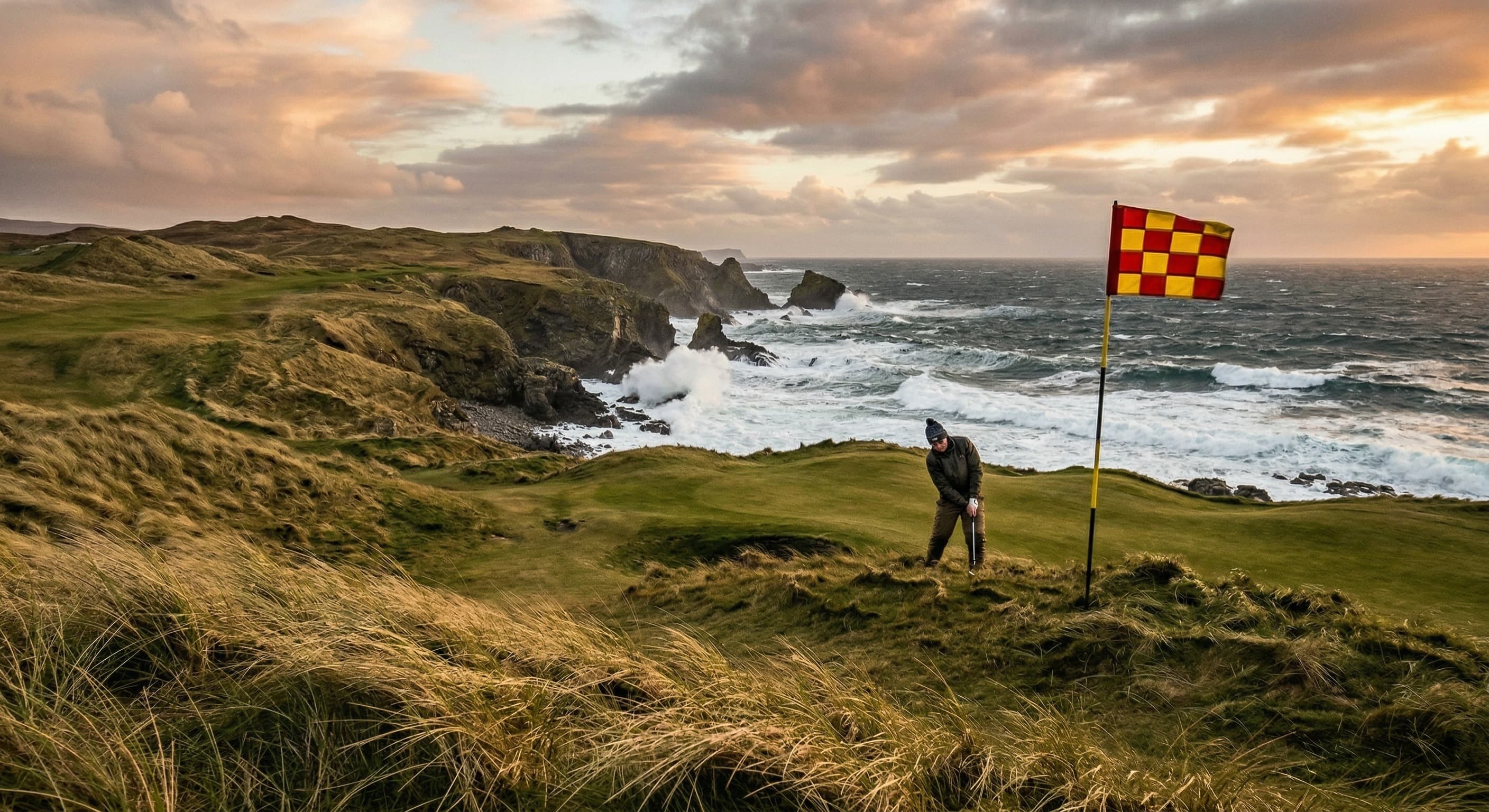
America's 20 Windiest Golf Courses: A G-Score Wind Analysis
We ranked America's 20 windiest golf courses using G-Score wind penalty data. See how coastal gusts and prairie gales reshape playability scores.
Read Story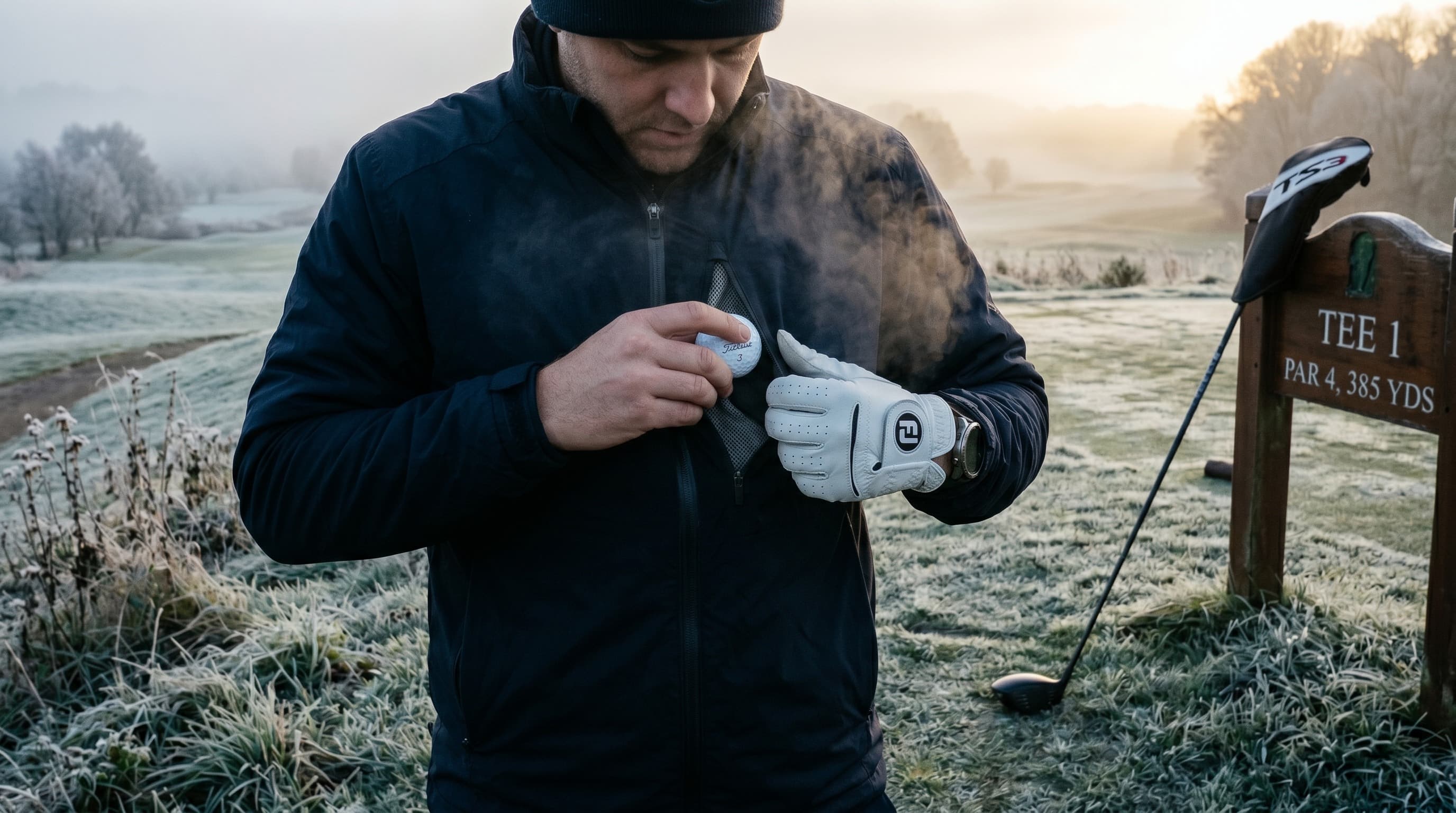
How Cold Weather Steals Distance: The Ball Compression Physics Every Golfer Should Know
Every 10°F drop costs the average golfer two to four yards of driver carry. Here is the physics — ball compression, air density, muscle temperature — and the field data we pulled from G-Score-monitored cold rounds to show exactly how distance loss compounds, and how to compensate without changing your swing.
Read StoryMinSu Kim
Founder & Golf Data Analyst
MinSu is a data analyst and golfer with 10+ years on the course. He built Golf Weather Score to answer one question: is today a good day to play? He combines weather data, course intelligence, and the proprietary G-Score algorithm to help golfers make smarter decisions.
Every Friday Morning
When Belle Isle Practice Center plays best next weekend.
Friday 6am ET: peak G-Score windows for Belle Isle Practice Center, wind direction by hour, and one gear call. Three minutes to read, save you the round.
One email a week. Unsubscribe in one click.
The Caddie's Oracle
Draw your luck before the tee off