
Caddie's Gear Advisor
Curated for today's 75°F · Thunderstorm
Storm-Ready Outerwear
Waterproof layers built for 18 holes in the rain
Tour-Grade Umbrellas
68" double-canopy wind-resistant coverage
Wet-Weather Gloves
All-weather grip that performs in the rain
Waterproof Golf Shoes
Keep your feet dry through every fairway
Your Golf Trip, Handled
The Ultimate Golf Trip Planner
Everything you need to play Bent Creek Golf Course — from booking your flight to checking in course-side.
Course-Side Stays
Luxury hotels, resorts, and stay-and-play packages just minutes from the first tee.
Flights
Compare fares across 700+ airlines for the best route to your tee time.
SUV Rentals for Golf Bags
Spacious vehicles with room for clubs, bags, and your foursome.
Travel Insurance
Coverage for medical, weather delays, and gear at your destination.
Bent Creek Golf Course: Course Intelligence
Signature Setup
Bent Creek sits on the Westside of Jacksonville, Florida, about 15 miles inland from the Atlantic at roughly 30.24°N. It's a parkland public course — towering longleaf pines, a few quiet ponds, and the flat-to-gently-rolling terrain typical of Duval County. I want to be straight with you: I haven't found a verified architect or opening year for this layout, so I won't invent one. What I can tell you is that it plays like a classic 1980s Westside muni — wide-ish corridors, water in play on a handful of holes, and no tricked-up forced carries. That honesty matters more here than a fake designer credit.
Hole-by-Hole Wind & Playing Lines
The single most important variable at Bent Creek is the afternoon sea breeze. Jacksonville's prevailing summer flow swings from a light overnight westerly to a 10–15 mph SE/E breeze by early afternoon as the Atlantic warms the inland air.
- The #1-handicap par-4 (water-side dogleg): In the morning calm, a stock driver up the right-center leaves a mid-iron. By 2 p.m. that same drive is fighting an SE crosswind pushing toward the pond — aim a touch right and accept the extra club coming in.
- The back-nine par-3 over water: Into a filled-in SE breeze, a 7-iron stops being a 7-iron. I'd plan on one full club more and trust the front edge rather than flagging it.
- Any pine-lined dogleg into the breeze: Bermuda fairways run firm and fast in dry spells, so a low stinger that stays under the wind beats a high cut that balloons and drifts into the trees.
Because the wind direction is so predictable here (SE/E sea breeze, not random), you can essentially pre-script your club selection by tee time.
Green & Fairway Characteristics
Like most North Florida courses, Bent Creek runs Bermuda fairways and greens. In summer the Bermuda is lush and grabby; in winter (overseed thins out around December–February) the greens get firmer and the ball releases more. Expect green speeds in the Stimp 9–10 neighborhood — honest, not lightning — with gentle slopes that tend to feed toward the nearest pond or drainage. Read those breaks with the water in mind: in flat Jacksonville terrain, the lowest point is usually the waterway, and putts drift that way more than they look.
Seasonal Weather Pattern
Northeast Florida's golf calendar is the inverse of most of the country. October through April is prime: highs in the 60s–75°F, low humidity, steady but manageable breezes. June through September is brutal — highs near 90–95°F, dew points in the low 70s, and near-daily afternoon thunderstorms that build inland by 2–4 p.m. as the sea breeze collides with Gulf moisture. If you're playing Bent Creek in summer, you are racing the storm clock, not just the heat.
Local Play Tips
The primary-source insight I'd give a first-timer: treat lightning as a hard stop, not a suggestion. Jacksonville is on the Florida "lightning alley" corridor — among the highest strike densities in the U.S. — and the convective storms here fire fast. A 9 a.m. tee in summer often finishes ahead of the buildup; a 1 p.m. tee frequently gets horn-stopped on the back nine. Pack a real rain shell, not just a hand towel, and check the radar at the turn.
Pre-Round Weather Workflow
Use the 7-day G-Score and windExposure read like this:
- Three days out: Scan the G-Score trend. In summer, prioritize the day with the lowest afternoon storm probability and tee early.
- Morning of: Check windExposure for the SE sea-breeze onset time — if it's filling in before 11 a.m., move your club-selection plan up a notch on every water hole.
- At the turn: Re-check radar. If cells are building inland, play efficiently and skip the range-finder deliberation — beat the horn.
Related Reading
Before you tee off at Bent Creek Golf Course
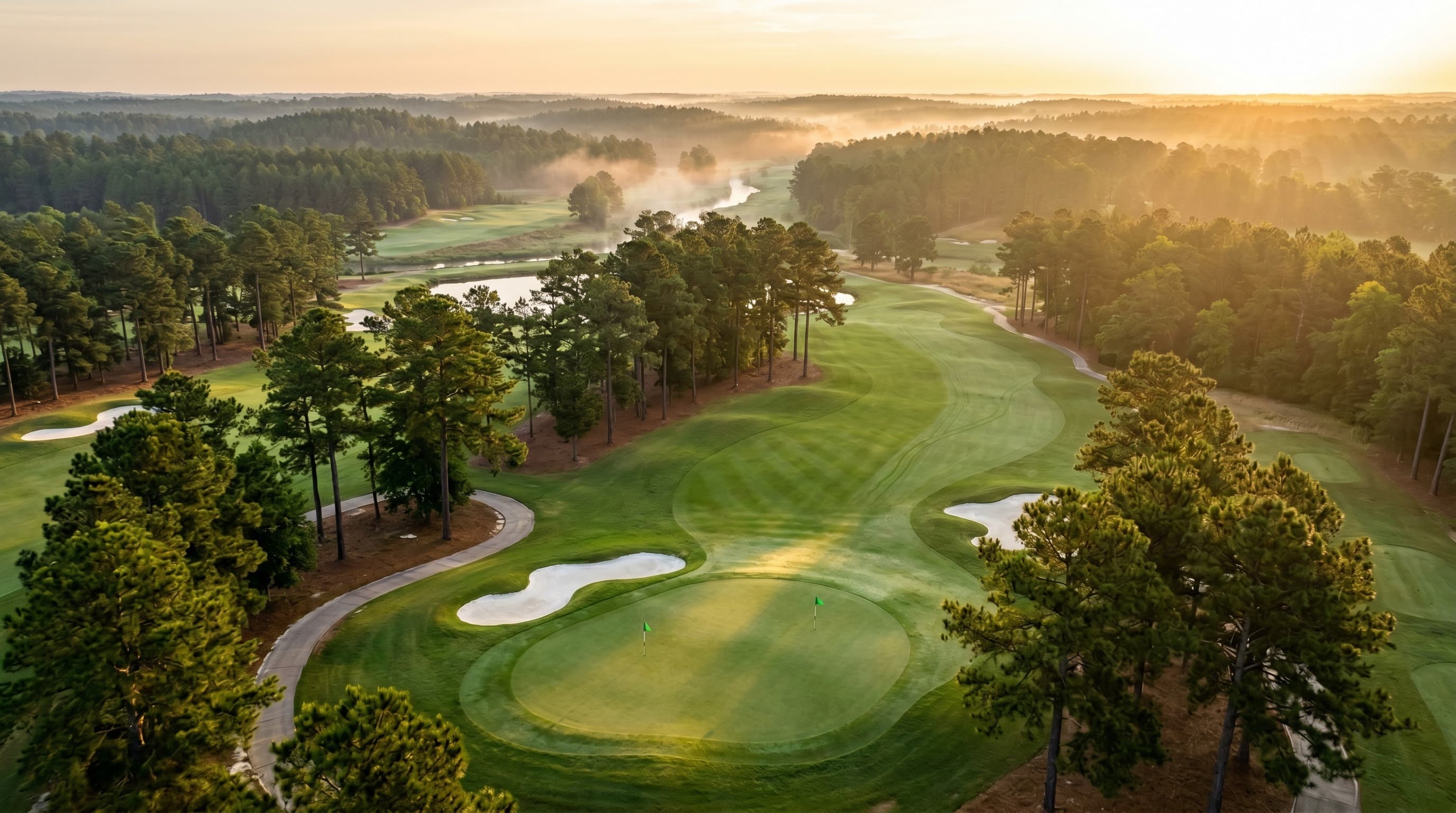
The May 2026 G-Score Heatmap: Where American Golf Peaks This Spring
May is the most underrated month on the American golf calendar. Five regions hit their annual peak this spring, three turn quietly hostile, and the data tells a clearer story than the brochures. Here is where to play, where to avoid, and how to time your booking window.
Read Story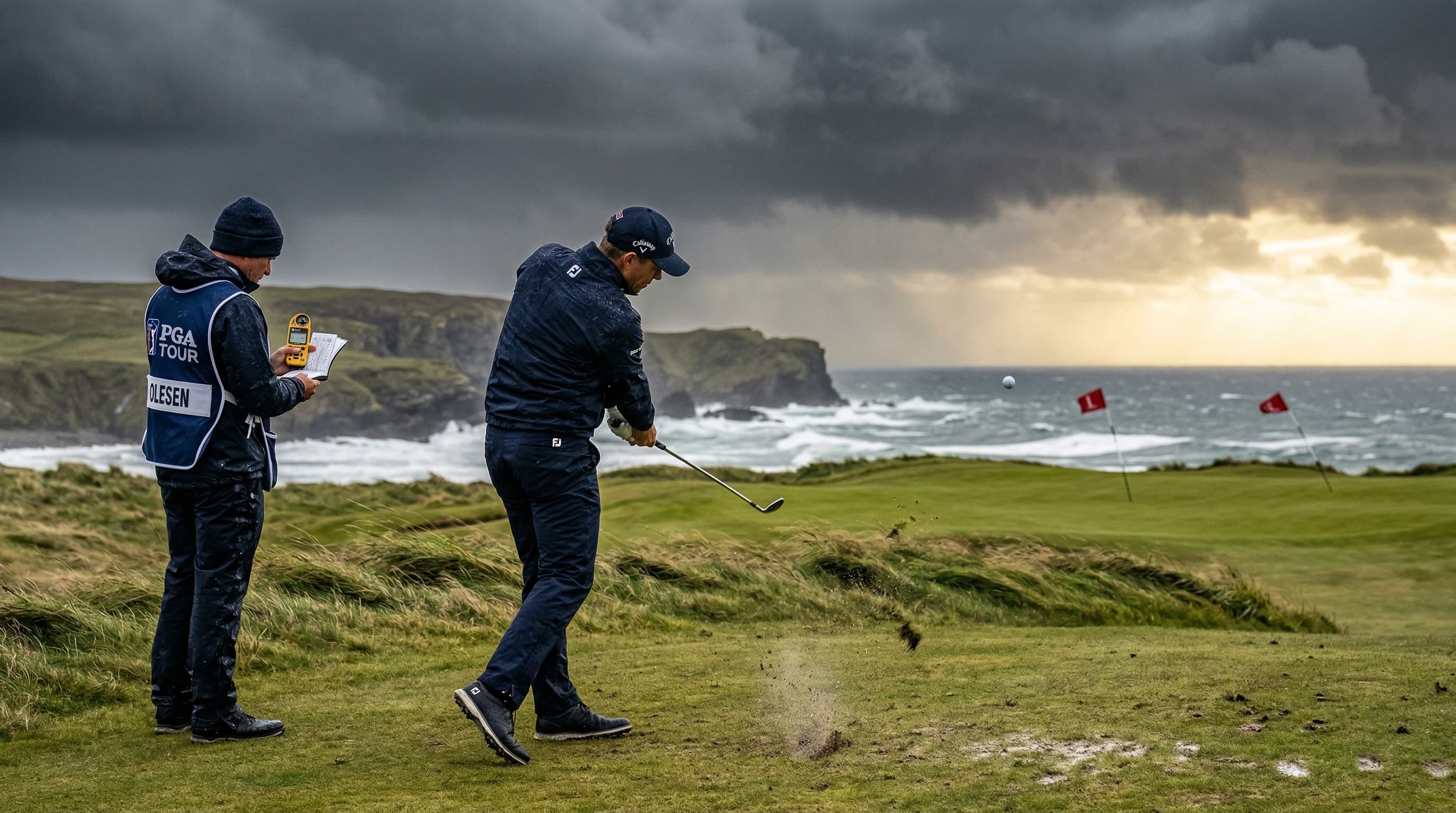
Golf Weather Physics: How Temperature, Altitude, and Humidity Change Ball Flight
Real physics data on how temperature, altitude, humidity, and wind change your golf ball flight — with specific yard adjustments, named course examples, and measured G-Score data from courses we track daily.
Read StoryMinSu Kim
Founder & Golf Data Analyst
MinSu is a data analyst and golfer with 10+ years on the course. He built Golf Weather Score to answer one question: is today a good day to play? He combines weather data, course intelligence, and the proprietary G-Score algorithm to help golfers make smarter decisions.
Every Friday Morning
When Bent Creek Golf Course plays best next weekend.
Friday 6am ET: peak G-Score windows for Bent Creek Golf Course, wind direction by hour, and one gear call. Three minutes to read, save you the round.
One email a week. Unsubscribe in one click.
The Caddie's Oracle
Draw your luck before the tee off