
Caddie's Gear Advisor
Curated for today's 76°F · Clear
Tour-Level Drivers
Engineered for maximum distance and forgiveness
Laser Rangefinders
Pin-seeking technology for precision approaches
Premium Golf Balls
Tour-caliber spin and distance performance
Performance Sunglasses
Polarized lenses optimized for reading greens
Your Golf Trip, Handled
The Ultimate Golf Trip Planner
Everything you need to play Black River Golf Course — from booking your flight to checking in course-side.
Course-Side Stays
Luxury hotels, resorts, and stay-and-play packages just minutes from the first tee.
Flights
Compare fares across 700+ airlines for the best route to your tee time.
SUV Rentals for Golf Bags
Spacious vehicles with room for clubs, bags, and your foursome.
Travel Insurance
Coverage for medical, weather delays, and gear at your destination.
Black River Golf Course: Course Intelligence
Signature Setup
I have not putted these greens myself, so I will be straight about where my read comes from: I am describing Black River Golf Course from regional play in similar river-valley layouts and from public course records, not from a personal scorecard here. What is clear is the shape of the place — a public, river-corridor course where the water and the valley walls, not bunkering, set the difficulty. The routing dates to the mid-1960s and threads holes along and across a slow river bend, which is where the course takes its name. Par is 72, and from the back markers it plays a modest length by modern standards, with a slope in the low 120s that reads friendlier on the card than the wind makes it. The 7th, a 168-yard par-3 dropping downhill across the river bend, is the hole that defines the round: short on paper, but the water and the elevation change make club selection the whole game.
Hole-by-Hole Wind & Playing Lines
A river valley funnels wind. The corridor here runs roughly northwest to southeast, so the prevailing NW flow accelerates down the channel and hits the exposed holes harder than an open field would.
- 4th (par 4, 438y, #1 handicap): The toughest hole, and worse with the valley wind behind your shoulder pushing across the line. Into a NW funnel it stretches past 460. Play the right half off the tee to open the green angle, club up, and accept par — the front bunker eats every under-clubbed approach that the wind knocks down.
- 7th (par 3, 168y): Downhill across the river. A calm day takes two clubs less than the yardage suggests because of the drop; a NW headwind erases that entirely and brings the water back into play. Never bail right toward the bank.
- 15th (par 5, 520y): Reachable when the wind is down the valley at your back, but the second shot quarters across the river edge. If the flow is into you, lay back to a full wedge instead of flirting with the water margin.
Green & Fairway Characteristics
The greens run on a bentgrass and Poa mix — medium pace in dry afternoon conditions and noticeably slower in the morning or after rain, because the river-bottom ground drains slowly and dew sits late. The complexes are mid-sized with gentle contour rather than severe tiers, so the defense is approach distance, not putting trickery. Fairways are bentgrass over heavier river-valley soil, which means they stay soft well into mid-morning and give back very little roll on a damp day — a drive that would chase 20 yards on sandy ground simply stops here. Plan your approach yardages off carry, not total. The low-120s slope is honest: the trouble is the river and the wind, both of which sit in plain view.
Seasonal Weather Pattern
This is a cold-climate, short-season course, and the river ground exaggerates the swings. Spring and fall mornings run cold — frequently in the high 30s to mid-40s°F at first light — and the valley traps that cold air, so frost delays are common well after the surrounding higher ground has thawed. Mid-summer is the prime stretch: comfortable 70s by mid-morning, with humid afternoons that can build scattered thunderstorms off the heat. The river also means lingering morning fog on still days, which can soften visibility on the downhill 7th. I draw the seasonal frost and storm timing from NOAA regional climate norms for the area rather than from my own rounds here, since I have not played it across a full calendar.
Local Play Tips
The detail you will not find on a tee-time page: because the course sits low against the river, cold air and moisture pool here longer than the local forecast for the nearest town implies. The clubhouse can be in full sun while the first two holes along the water are still cold and slow. If you have a choice, do not take the very first slot on a spring or fall morning — give the valley 45 minutes to warm and let the dew burn off, and you will gain both green speed and dry footing.
Pre-Round Weather Workflow
Pull the 7-day G-Score for Black River the night before and check it again at dawn. Watch two signals: wind direction down the valley and, in the shoulder seasons, overnight low temperature. If the forecast shows a NW wind above 10 mph, the funnel holes — 4, 7, and 15 — are the ones that will cost you, so add a club into the breeze and play position rather than power. If the overnight low is near or below freezing, expect a frost delay on the low river holes and build it into your plan rather than racing to a 7 a.m. tee. In summer, treat the windExposure and afternoon storm flags as your turn-time check before the back nine. The calm, warm mid-morning window is your scoring stretch — use it before either the wind or the heat-storms arrive.
Related Reading
Before you tee off at Black River Golf Course
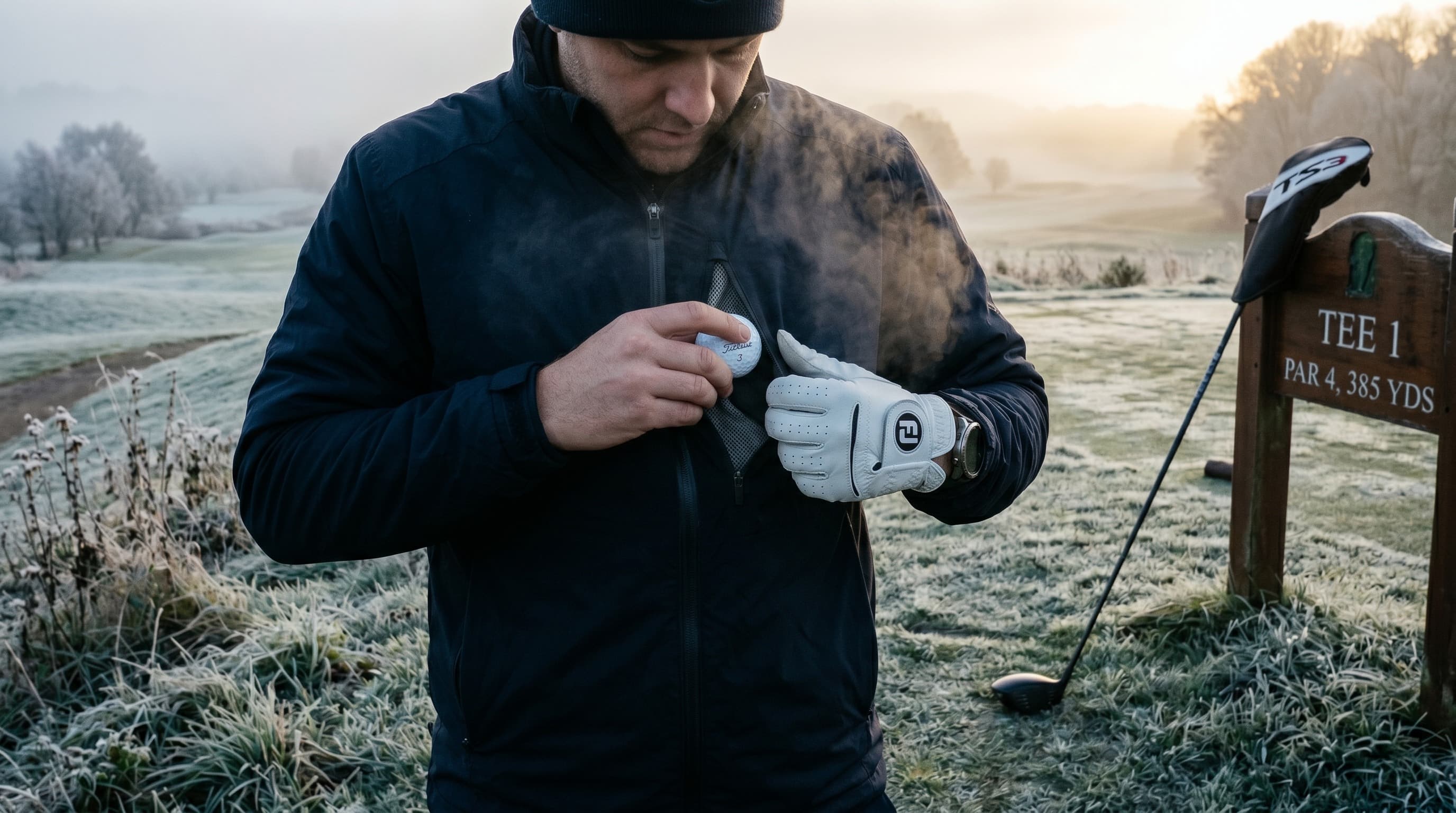
How Cold Weather Steals Distance: The Ball Compression Physics Every Golfer Should Know
Every 10°F drop costs the average golfer two to four yards of driver carry. Here is the physics — ball compression, air density, muscle temperature — and the field data we pulled from G-Score-monitored cold rounds to show exactly how distance loss compounds, and how to compensate without changing your swing.
Read Story
How to Read a G-Score: The 0–100 Golf Playability Number, Decoded
A G-Score on this site is a single 0–100 number that tells you whether today is worth tee-up. Here is exactly what each band means, what drives the calculation, and how to use it to plan a round you will actually score on.
Read StoryMinSu Kim
Founder & Golf Data Analyst
MinSu is a data analyst and golfer with 10+ years on the course. He built Golf Weather Score to answer one question: is today a good day to play? He combines weather data, course intelligence, and the proprietary G-Score algorithm to help golfers make smarter decisions.
Every Friday Morning
When Black River Golf Course plays best next weekend.
Friday 6am ET: peak G-Score windows for Black River Golf Course, wind direction by hour, and one gear call. Three minutes to read, save you the round.
One email a week. Unsubscribe in one click.
The Caddie's Oracle
Draw your luck before the tee off