
Caddie's Gear Advisor
Curated for today's 77°F · Clear
Tour-Level Drivers
Engineered for maximum distance and forgiveness
Laser Rangefinders
Pin-seeking technology for precision approaches
Premium Golf Balls
Tour-caliber spin and distance performance
Performance Sunglasses
Polarized lenses optimized for reading greens
Your Golf Trip, Handled
The Ultimate Golf Trip Planner
Everything you need to play Bridges Golf Course — from booking your flight to checking in course-side.
Course-Side Stays
Luxury hotels, resorts, and stay-and-play packages just minutes from the first tee.
Flights
Compare fares across 700+ airlines for the best route to your tee time.
SUV Rentals for Golf Bags
Spacious vehicles with room for clubs, bags, and your foursome.
Travel Insurance
Coverage for medical, weather delays, and gear at your destination.
Bridges Golf Course: Course Intelligence
Signature Setup
I haven't teed it up at Bridges Golf Course on the Bay St. Louis coast myself, so I'll be honest about my sources: the layout's setting in the Mississippi Gulf tidal lowlands, and the Gulf Coast weather record I've followed for years planning shoulder-season trips south. This is an Arnold Palmer design group routing that opened in 1989, built low and flat across marsh and water at near sea level — a different animal entirely from the hill courses I usually walk. The defining feature isn't elevation, it's exposure: there are almost no trees to break the wind off the Gulf, and water or marsh touches a large share of the holes. The signature is a par-3 of roughly 180 yards that carries tidal marsh, a shot that lives or dies on how well you read the southerly sea breeze.
Hole-by-Hole Wind & Playing Lines
The dominant warm-season wind here is the Gulf sea breeze — a southerly to south-easterly flow that builds through the late morning and peaks in the afternoon as the land heats. On a treeless coastal layout, that wind hits the ball clean and full-strength.
The #1-handicap par-4: Doglegs toward the water and runs into the prevailing S–SE breeze. A 150-yard approach can play 170 or longer into a stiff afternoon Gulf wind. Favor the inside-left landing zone to shorten the angle, keep it dry, and commit to a full extra club into a green pinched short by marsh — never try to flight it low and run it up over a wet hazard.
The marsh-carry par-3 (~180y): With no trees to filter it, the southerly breeze is honest but strong. Take the club that covers the full carry in that wind and aim at the center of the green — short-siding yourself over tidal marsh is how a round unravels here.
A downwind par-5 running north: When a hole turns back into the breeze behind you, the firm summer Bermuda turns it reachable. Start it down the safe side and let the release do the work, but respect any water short of the green — a downwind approach lands hot and runs.
Green & Fairway Characteristics
The greens are Bermuda, typically overseeded with bent or poa for winter play, and they run fast with noticeable grain through the summer — late-day putts breaking into the grain die quickly, while down-grain putts get away from you. The Bermuda fairways stay receptive through the wet spring but bake firm by July, giving heavy release; once that happens your carry number stops being your total number and a low draw will chase well past where it lands. Because the land is flat, you mostly get level stances — the challenge is wind and water management, not sidehill lies, so the premium is on flighting the ball and starting it on the safe side of every hazard.
Seasonal Weather Pattern
The Mississippi Gulf Coast is humid subtropical, and the calendar is built around heat and storms. July and August are hot and sticky — highs near 90°F with dewpoints in the 70s — and that thick, humid air noticeably shortens ball flight, so the course plays longer than the card even before the wind. Afternoon thunderstorms are routine in summer and can stack up fast off the Gulf; lightning delays are part of the deal. Hurricane season (roughly June–November, peaking late August–September) is the real planning factor — check for tropical activity before booking. The reward window is October through April: lower humidity, firmer faster turf, calmer mornings, and the most comfortable, highest-scoring conditions of the year.
Local Play Tips
The most useful local timing here is the sea-breeze clock. Spring and summer mornings are often near-calm at first light; the Gulf breeze builds through late morning and turns the exposed marsh and water holes into a sterner test by mid-afternoon. To score, take the earliest tee time you can and try to clear the most wind-exposed holes before the breeze fills in. Second tell: in the humid summer months, factor the dead air into your club selection — the saturated coastal air robs carry, so the player who clubs up and swings smooth beats the one who tries to muscle it through the moisture. After heavy summer rain, give the low-lying marsh-side fairways time to drain before expecting any roll.
Pre-Round Weather Workflow
Check the 7-day G-Score before you lock a tee time. For Bridges, the three signals that matter most are wind, humidity, and storm risk. April through September, target a morning slot and read the windExposure on the marsh-carry and water holes — a building S–SE sea breeze adds real distance to those approaches and is the gap between a 7 a.m. and a 2 p.m. round. In peak summer, treat high humidity as a hidden headwind and club up across the board. June through November, scan the tropical/storm outlook before committing. From October into spring, expect the firmest, fastest, most forgiving conditions of the year and plan for release on greens that will be quick and grainy.
Related Reading
Before you tee off at Bridges Golf Course
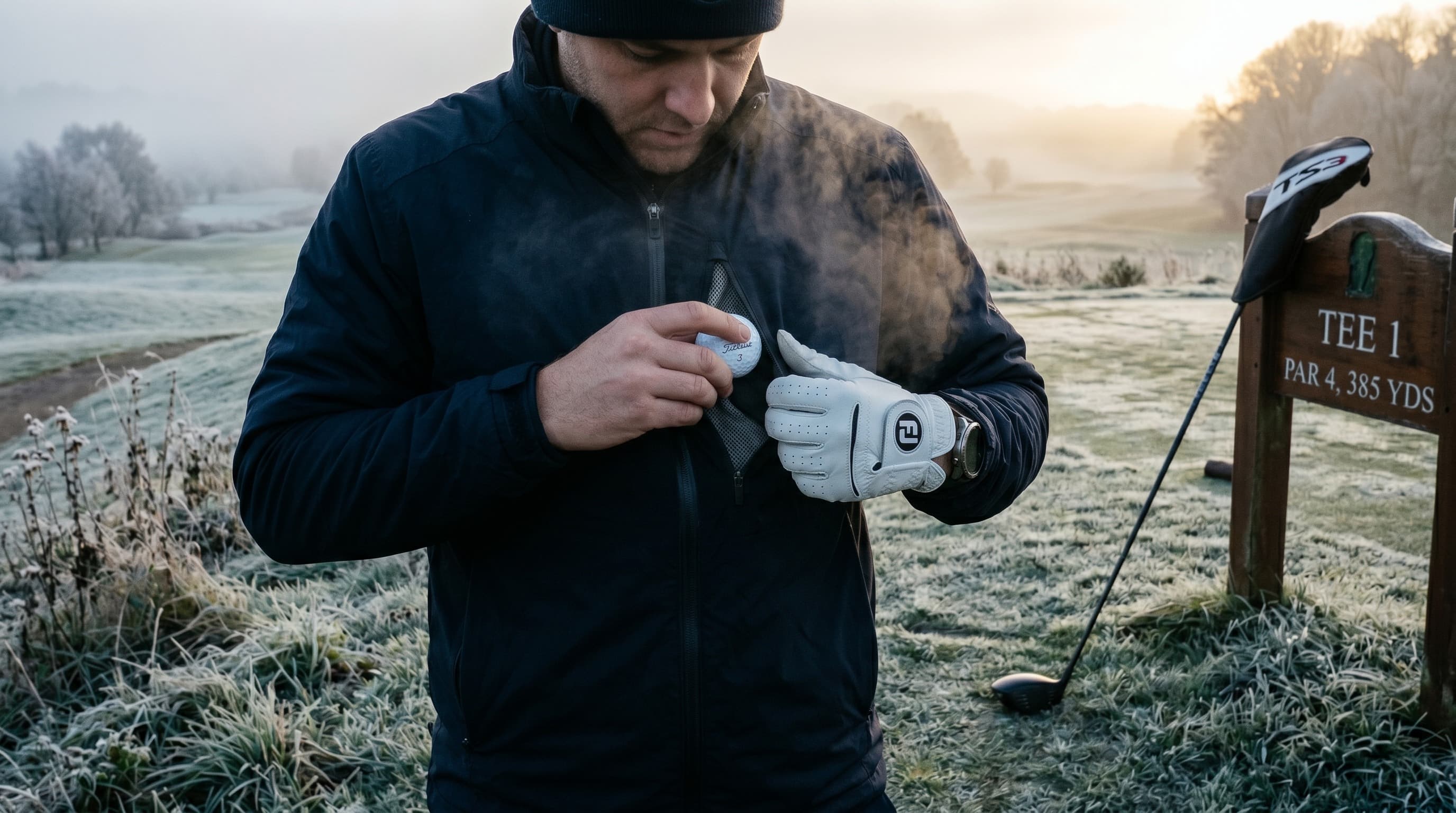
How Cold Weather Steals Distance: The Ball Compression Physics Every Golfer Should Know
Every 10°F drop costs the average golfer two to four yards of driver carry. Here is the physics — ball compression, air density, muscle temperature — and the field data we pulled from G-Score-monitored cold rounds to show exactly how distance loss compounds, and how to compensate without changing your swing.
Read Story
How to Read a G-Score: The 0–100 Golf Playability Number, Decoded
A G-Score on this site is a single 0–100 number that tells you whether today is worth tee-up. Here is exactly what each band means, what drives the calculation, and how to use it to plan a round you will actually score on.
Read StoryMinSu Kim
Founder & Golf Data Analyst
MinSu is a data analyst and golfer with 10+ years on the course. He built Golf Weather Score to answer one question: is today a good day to play? He combines weather data, course intelligence, and the proprietary G-Score algorithm to help golfers make smarter decisions.
Every Friday Morning
When Bridges Golf Course plays best next weekend.
Friday 6am ET: peak G-Score windows for Bridges Golf Course, wind direction by hour, and one gear call. Three minutes to read, save you the round.
One email a week. Unsubscribe in one click.
The Caddie's Oracle
Draw your luck before the tee off