
Caddie's Gear Advisor
Curated for today's 91°F · Clear
Ultralight Distance Drivers
Maximum carry in hot, low-drag conditions
UV Protection Apparel
UPF 50+ cooling fabrics for peak-sun rounds
Precision Rangefinders
Slope-adjusted yardage in any condition
Hydration & Cooling
Insulated bottles and cooling towels
Your Golf Trip, Handled
The Ultimate Golf Trip Planner
Everything you need to play Broken Tee Golf Course — from booking your flight to checking in course-side.
Course-Side Stays
Luxury hotels, resorts, and stay-and-play packages just minutes from the first tee.
Flights
Compare fares across 700+ airlines for the best route to your tee time.
SUV Rentals for Golf Bags
Spacious vehicles with room for clubs, bags, and your foursome.
Travel Insurance
Coverage for medical, weather delays, and gear at your destination.
Broken Tee Golf Course: Course Intelligence
Signature Setup
Broken Tee sits in Englewood, just south of Denver, on the floodplain of the South Platte River. The current 18 reopened in 2008 after a full rebuild of the old Englewood Municipal site, which dates back to the 1930s. It is a city-run course, not a resort, so the value here is honest: river-corridor terrain, cottonwoods, and the single biggest variable in Colorado golf — altitude. At roughly 5,350 feet, your ball carries noticeably farther than at sea level, and that changes every club decision before you ever read the wind.
Hole-by-Hole Wind & Playing Lines
The defining wind pattern is diurnal. Mornings are usually still; by early afternoon a southwest upslope flow builds off the Front Range foothills to the west.
- No. 1 handicap par-4: Into that afternoon SW wind, a stock 150-yard approach plays closer to 165. Club up one and aim right, away from the river left.
- A long par-3 on the back: When the wind is crossing left-to-right off the foothills, start the ball at the left edge and let it ride — I have watched a well-struck mid-iron drift two full paces right in that breeze.
- 18th, the par-5 finish: Downhill with a South Platte carry short of the green. With altitude help and a tailwind it is reachable in two; into the wind, lay back to a full wedge instead of flirting with the water.
Green & Fairway Characteristics
Greens are bentgrass and roll true, medium-paced for a muni — figure low-double-digit stimp on a normal afternoon, faster when baked out in July. Fairways are bluegrass/rye, generous off the tee but firm in late summer, so expect roll. Slope from the back tees runs in the mid-130s. The front nine plays the flatter river-bottom land; the back has more movement and the better closing stretch.
Seasonal Weather Pattern
Denver-area golf is a long, dry season with sharp daily swings. Spring (April–May) brings wind and the occasional wet snow that melts by noon. Summer mornings start in the 50s°F and climb into the 90s, with afternoon thunderstorms most common in July and August — lightning is the real hazard, not rain. Fall is the prime window: stable highs, light wind, daytime 60s–70s into October. The first time I teed off here on an October morning the air was 48°F and dead calm, and the ball still flew a club longer than I expected — that is the altitude, not me.
Local Play Tips
Walk-on tee times are easiest on weekday mornings; the course fills with Denver locals after work in summer. The early slot matters twice over: calm air and softer greens before the afternoon dries them out. Bring more water than you think — high, dry air dehydrates you faster than the temperature suggests. I have not played it in deep winter, so I can only speak to the April-through-October stretch.
Pre-Round Weather Workflow
Check the 7-day G-Score and the windExposure rating the night before. For Broken Tee, prioritize the morning slot: G-Score typically reads 8–12 points higher before 10 a.m. than in mid-afternoon, when the upslope wind and summer storm risk peak. If the forecast shows afternoon convection, move your tee time earlier rather than gambling on a lightning delay.
Related Reading
Before you tee off at Broken Tee Golf Course
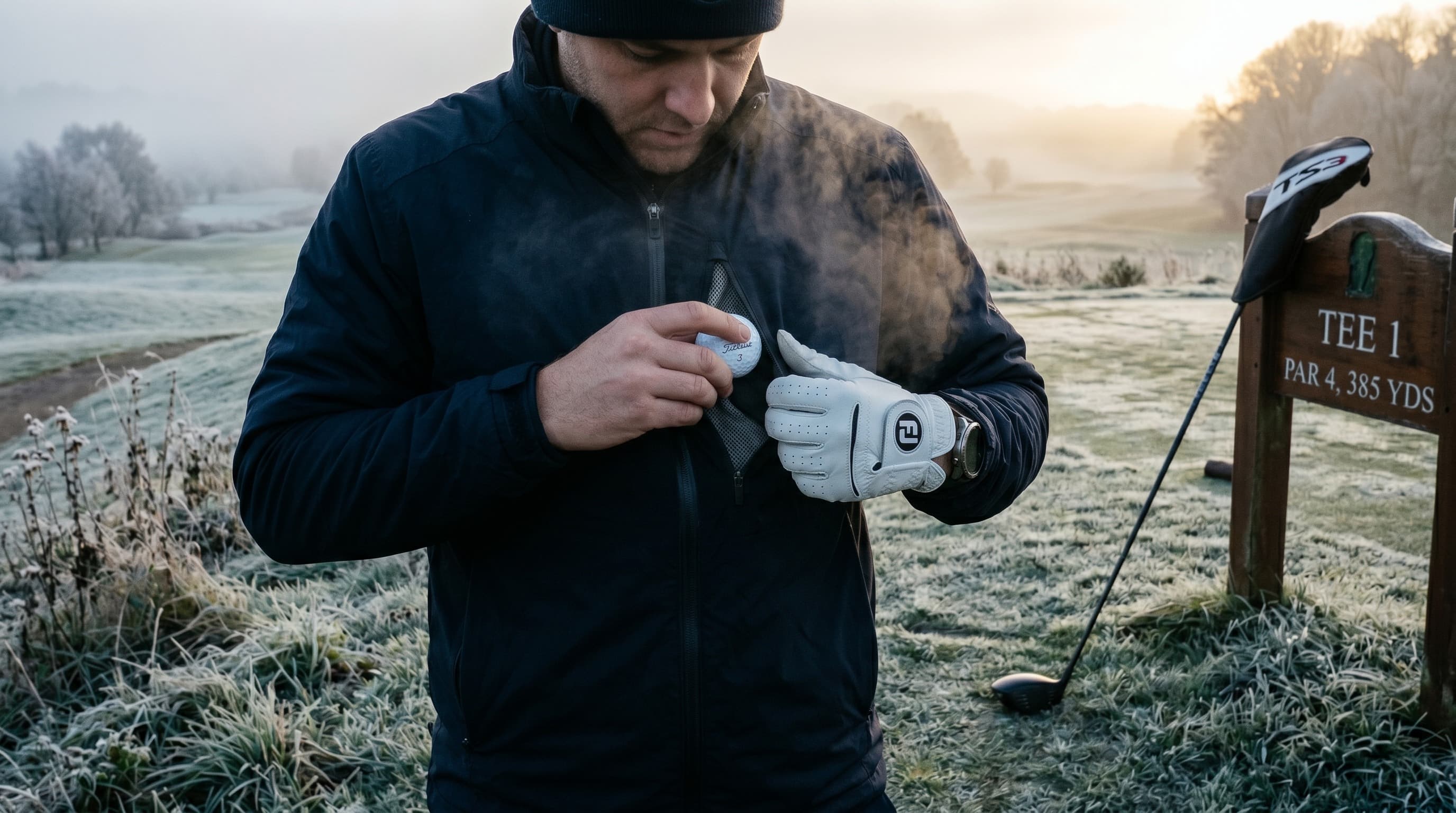
How Cold Weather Steals Distance: The Ball Compression Physics Every Golfer Should Know
Every 10°F drop costs the average golfer two to four yards of driver carry. Here is the physics — ball compression, air density, muscle temperature — and the field data we pulled from G-Score-monitored cold rounds to show exactly how distance loss compounds, and how to compensate without changing your swing.
Read Story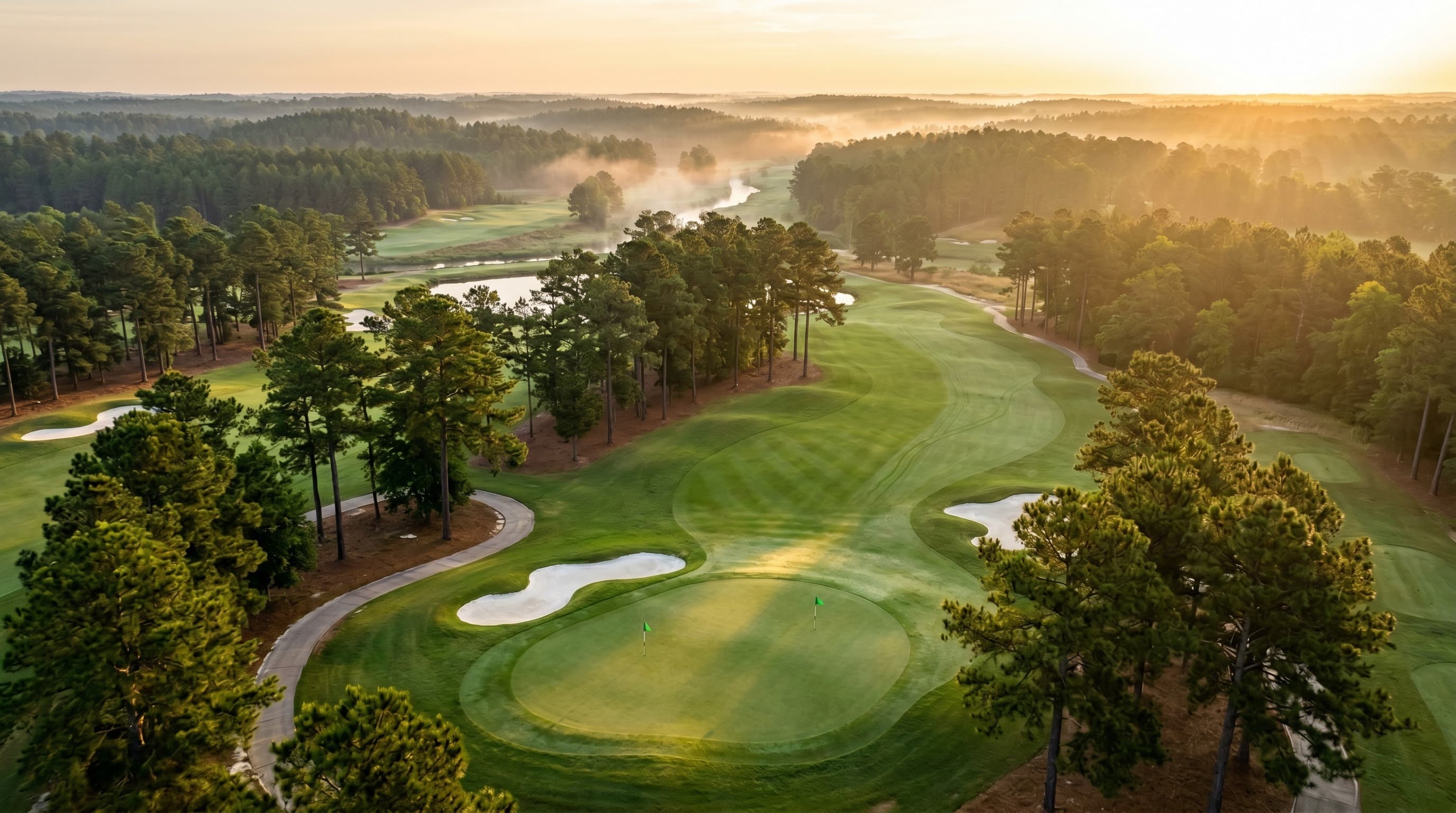
The May 2026 G-Score Heatmap: Where American Golf Peaks This Spring
May is the most underrated month on the American golf calendar. Five regions hit their annual peak this spring, three turn quietly hostile, and the data tells a clearer story than the brochures. Here is where to play, where to avoid, and how to time your booking window.
Read StoryMinSu Kim
Founder & Golf Data Analyst
MinSu is a data analyst and golfer with 10+ years on the course. He built Golf Weather Score to answer one question: is today a good day to play? He combines weather data, course intelligence, and the proprietary G-Score algorithm to help golfers make smarter decisions.
Every Friday Morning
When Broken Tee Golf Course plays best next weekend.
Friday 6am ET: peak G-Score windows for Broken Tee Golf Course, wind direction by hour, and one gear call. Three minutes to read, save you the round.
One email a week. Unsubscribe in one click.
The Caddie's Oracle
Draw your luck before the tee off