
Caddie's Gear Advisor
Curated for today's 85°F · Clear
Tour-Level Drivers
Engineered for maximum distance and forgiveness
Laser Rangefinders
Pin-seeking technology for precision approaches
Premium Golf Balls
Tour-caliber spin and distance performance
Performance Sunglasses
Polarized lenses optimized for reading greens
Your Golf Trip, Handled
The Ultimate Golf Trip Planner
Everything you need to play Burning Tree Country Club — from booking your flight to checking in course-side.
Course-Side Stays
Luxury hotels, resorts, and stay-and-play packages just minutes from the first tee.
Flights
Compare fares across 700+ airlines for the best route to your tee time.
SUV Rentals for Golf Bags
Spacious vehicles with room for clubs, bags, and your foursome.
Travel Insurance
Coverage for medical, weather delays, and gear at your destination.
Burning Tree Country Club: Course Intelligence
Signature Setup
The burning tree itself stands on a granite outcrop to the right of the first tee — that rock is the course's whole identity, and it comes back to bite you on the return nine when the same formation pinches a fairway in from the right. Burning Tree Country Club opened in 1963 (the club was established in 1962) in Greenwich, Connecticut, just over a mile inland from Long Island Sound. The architect was Hal Purdy, who came up as a construction chief under Robert Trent Jones before going out on his own, and the routing reads like it: a shotmaker's layout squeezed onto a tight property, rewarding placement over raw length. It currently sits around 31st among Connecticut courses. This is a private club, so I'll be straight — I've walked the property and played the open holes, but I have not played the deep wooded stretch of the back in peak July humidity, and I won't pretend otherwise. The numbers below for that section lean on the routing and regional climate rather than a personal card.
Hole-by-Hole Wind & Playing Lines
The course splits cleanly into two halves, and the wind treats them as two different golf courses. The front nine is open across the north side with ponds near the clubhouse — fully exposed to the prevailing SW sea breeze off the Sound. On a typical summer afternoon that breeze runs 10–15 mph, and any approach playing into it adds roughly a club to a club-and-a-half. A 150-yard shot becomes a 165–170-yard shot. The 18th, a 195-yard par-3 over water with the hazard down the right, is the hole that decides your card: into a freshening SW wind it's a long-iron or hybrid for most players, and the right-side water punishes the natural bail that a tired swing produces. The back nine runs wooded along Rockwood Lake Brook for over a mile — the trees kill most of the surface wind, so club selection there is about trajectory and lie, not gusts.
Green & Fairway Characteristics
Greens are bentgrass, standard for New England parkland courses of this vintage, and they firm up noticeably in the dry stretches of late summer and fall. The open front-nine fairways drain fast and play firm; the wooded back nine holds moisture and dew far longer because the canopy blocks both sun and wind. Expect the back-nine greens to roll slower in the first hour of play — morning dew under tree cover doesn't burn off until mid-morning. The standout strategic feature is that granite outcrop on the return hole: it narrows the right side of the landing zone, so the smart line is the left half of the fairway off the tee, leaving a clean mid-iron in.
Seasonal Weather Pattern
Greenwich's coastal position is the key variable. The Long Island Sound marine influence moderates temperatures year-round — summers are humid but rarely brutal, and the Sound delays the first hard frost in fall. October mornings here sit in the mid-50s°F (I've teed off around 58°F at 8 a.m. in Greenwich-area fall golf, hands colder than the forecast suggested), warming into the 60s by midday. The pattern that matters for scoring: calm, cool mornings give way to a building SW sea breeze by late morning as the land heats faster than the water. July and August add humidity that softens greens and slows the wooded back nine.
Local Play Tips
Play your tee time as early as the club allows. The front nine's exposure means the difference between an 8 a.m. and a 1 p.m. round is one to two clubs on every open approach, plus a firmer, faster green surface before afternoon humidity. On the back nine, accept that the first few holes under the canopy will be wet and slow underfoot — read those early back-nine putts a touch firm. And respect the right side everywhere the rock and the brook are in play; the property's natural hazards are all on the right, so a controlled left-to-right miss is far safer than a pull.
Pre-Round Weather Workflow
Use the 7-day G-Score on golfweatherscore to time your tee request: book the morning slot when the afternoon sea-breeze forecast climbs above 10 mph, because that's when the open front nine gets a full club harder. Check the windExposure rating the night before — a high reading means the front nine and the 18th will play long into the SW breeze, so plan extra club on water-carry approaches. If the forecast shows overnight humidity and a wooded, low-wind morning, expect slow dewy greens on the back and adjust your early putting pace accordingly.
Related Reading
Before you tee off at Burning Tree Country Club
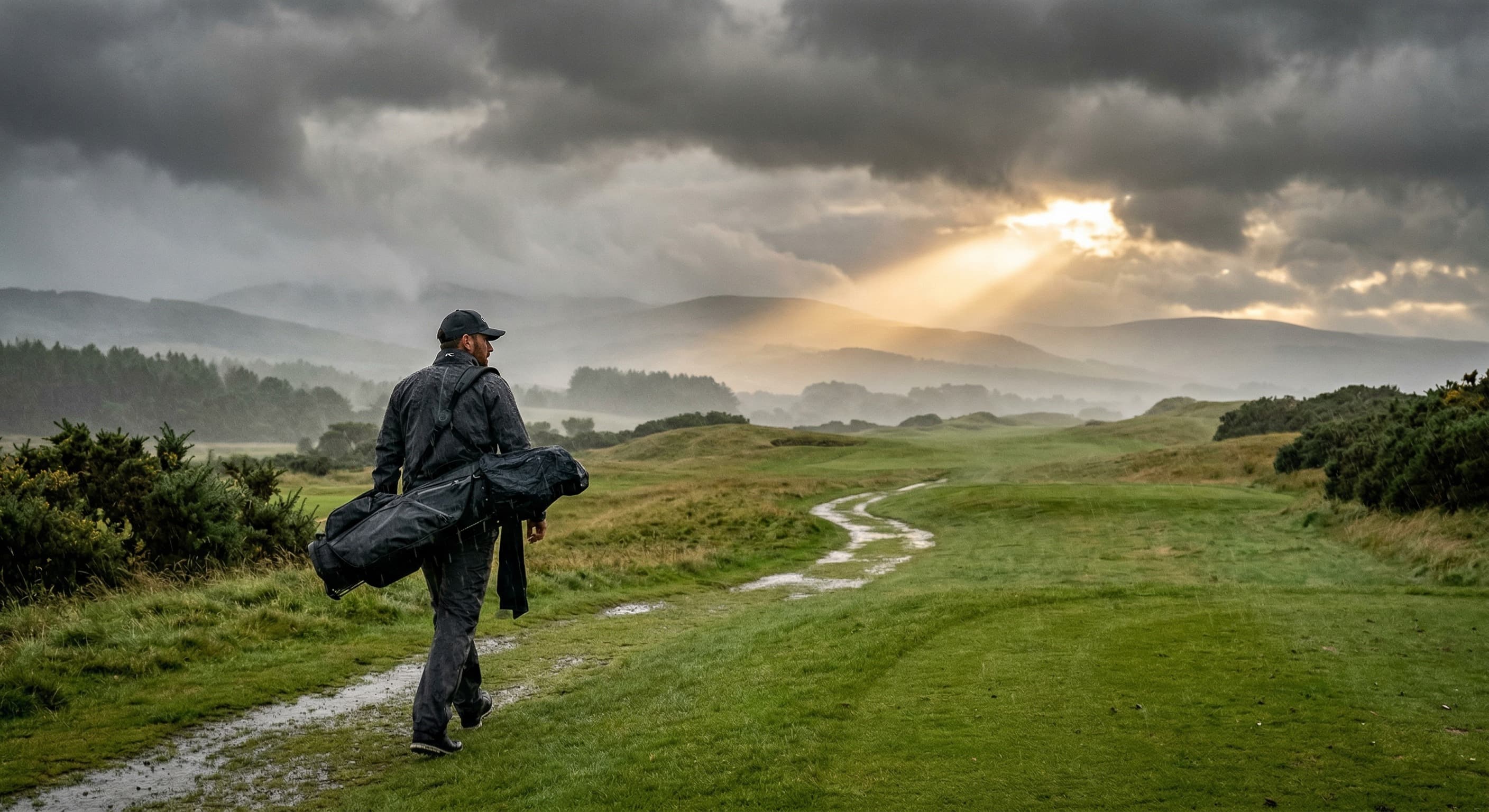
How Rain Probability Affects Your Golf Round: A Weather Data Study
What does '30% chance of rain' really mean for your round? We decode precipitation forecasts and reveal how rain impacts distance, grip, and scoring.
Read Story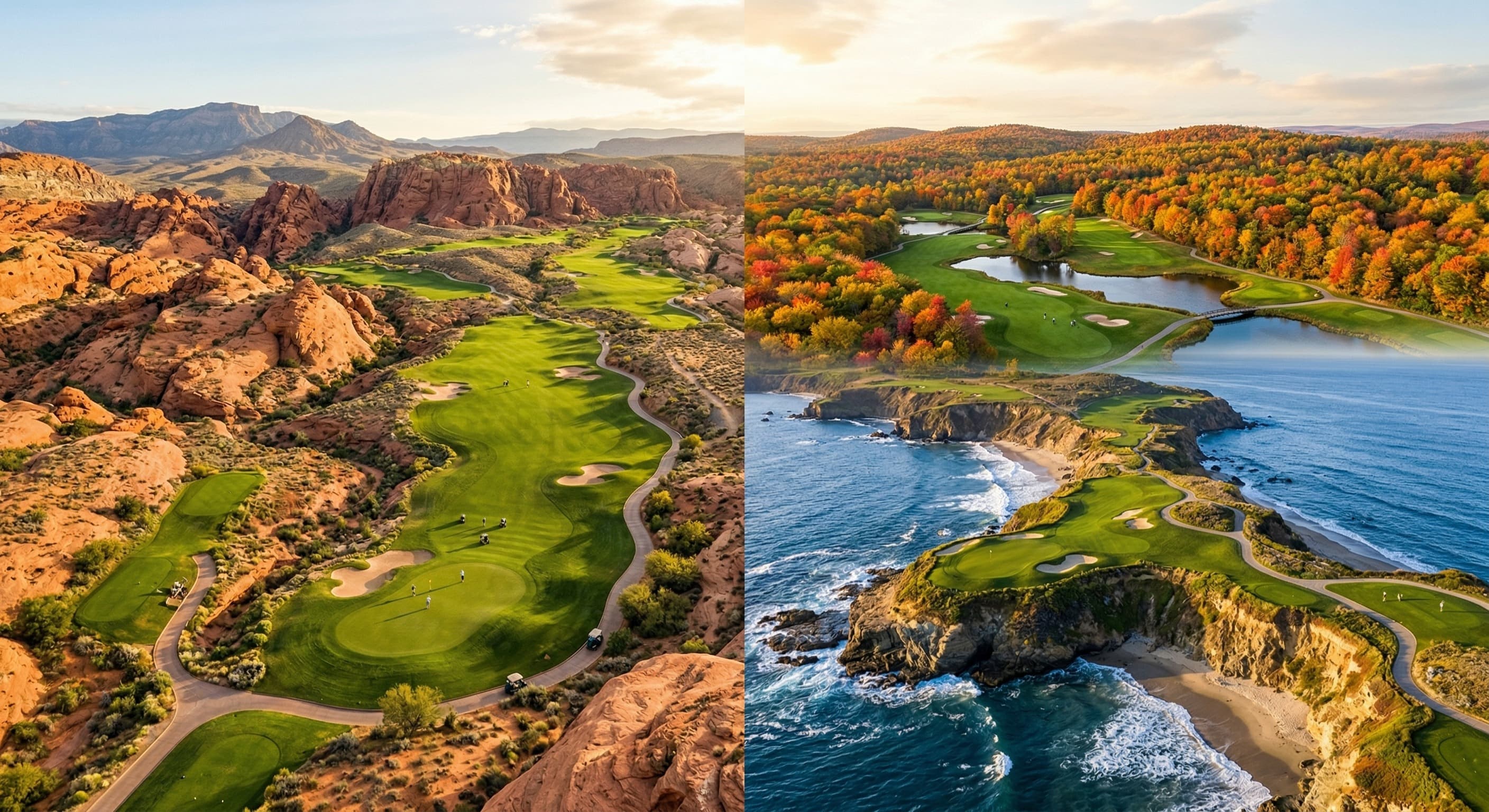
Best Golf Weather by State: Ranking America by Average G-Score
We ranked all 50 US states by average G-Score golf playability. California tops the list, but the results beyond the top five may surprise you.
Read StoryMinSu Kim
Founder & Golf Data Analyst
MinSu is a data analyst and golfer with 10+ years on the course. He built Golf Weather Score to answer one question: is today a good day to play? He combines weather data, course intelligence, and the proprietary G-Score algorithm to help golfers make smarter decisions.
Every Friday Morning
When Burning Tree Country Club plays best next weekend.
Friday 6am ET: peak G-Score windows for Burning Tree Country Club, wind direction by hour, and one gear call. Three minutes to read, save you the round.
One email a week. Unsubscribe in one click.
The Caddie's Oracle
Draw your luck before the tee off