
Caddie's Gear Advisor
Curated for today's 62°F · Clouds
Tour-Level Drivers
Engineered for maximum distance and forgiveness
Laser Rangefinders
Pin-seeking technology for precision approaches
Premium Golf Balls
Tour-caliber spin and distance performance
Performance Sunglasses
Polarized lenses optimized for reading greens
Your Golf Trip, Handled
The Ultimate Golf Trip Planner
Everything you need to play Cattail Creek Golf Course — from booking your flight to checking in course-side.
Course-Side Stays
Luxury hotels, resorts, and stay-and-play packages just minutes from the first tee.
Flights
Compare fares across 700+ airlines for the best route to your tee time.
SUV Rentals for Golf Bags
Spacious vehicles with room for clubs, bags, and your foursome.
Travel Insurance
Coverage for medical, weather delays, and gear at your destination.
Cattail Creek Golf Course: Course Intelligence
Signature Setup
Cattail Creek is not a championship layout, and pretending otherwise would do you no favors. It is a 9-hole, par-3 course in Loveland, Colorado — 1,426 yards from the blue tees, par 27, with four sets of tees so it works for a junior and a scratch player on the same loop. Richard M. Phelps, ASGCA, designed it and it opened in 1991. What it is, honestly, is one of the best iron-and-wedge laboratories on the northern Front Range, with an onsite driving range and four practice tees attached.
I should be straight with you: I've played a number of Front Range par-3 and executive courses, but my notes on this specific layout lean on the scorecard and the regional conditions rather than a dozen rounds here. So I'll write what the numbers and the climate actually tell you. The blue-tee card runs from a 107-yard opener (Hole 1) up to a 211-yard closer (Hole 9), with Hole 8 at 184 and Hole 5 at 170. Every hole is a par-3, which means club selection — and therefore wind and altitude — *is* the entire game here.
Hole-by-Hole Wind & Playing Lines
The three holes that decide your card, and how the Loveland wind changes them:
- Hole 9 (211y, the closer): The longest and hardest hole. At Loveland's ~5,000-ft elevation the ball carries roughly 10% farther, so a 211-yard number plays closer to 190 in still air. But the Front Range afternoon wind is usually out of the west to northwest, and into a 15 mph W/NW breeze that 190 effective stretches right back past 210. Take a full hybrid or driver-off-the-deck, aim at the fat side of the green, and accept short — long here leaves a downhill, downwind chip you don't want.
- Hole 8 (184y): With water and bunkers in play around these big greens, this is the one where I'd club up and aim center-green regardless of pin. Into a crosswind off the west, start it at the upwind edge and let the wind hold it.
- Hole 5 (170y): A mid-length test where the morning-versus-afternoon difference is starkest. Calm at 8 a.m. it's a smooth 6-iron in the thin air; into the afternoon W/NW flow it becomes a hard 5 or even a 4.
Green & Fairway Characteristics
The greens here are described as big, with water and bunkers guarding several of them — that combination is what gives a short course its teeth. Large greens reward a confident, committed iron and punish a tentative one, because three-putting a big surface from the wrong tier costs you as surely as a water ball. On the high plains the surfaces run firm and fast once the sun and the dry air get to them; I'd estimate the Stimp in the 9–10 range on a normal dry afternoon, quicker when they bake out, though that's a read from regional norms rather than a measured number on this property. The reported slope of 150 off the back tees tells you the trouble is real despite the modest yardage — for a par-3 course, that's a number that says "respect the water and the wind."
Seasonal Weather Pattern
Loveland sits at roughly 4,982 feet against the Front Range foothills, and that altitude shapes everything. The air is thin and dry, so your ball flies about 10% farther than it would at sea level — the single most important fact for clubbing a par-3 course. Summer (June–August) brings daytime highs of 85–90°F, but the real planning factor is the near-daily afternoon thunderstorm that builds over the mountains and rolls east; lightning delays are a routine 2–5 p.m. risk, not a rare one. Spring and fall are the sweet spots: 60s–70s, lower storm probability, and firmer turf. Winters are cold but dry, with frequent 50°F "bluebird" January afternoons that keep the course playable when the snow holds off — though wind chill off the foothills can turn a calm morning raw in an hour.
Local Play Tips
A detail the scorecard won't give you: on the northern Front Range the wind is a *clock*, not a constant. Mornings are typically calm and the thin air is working fully in your favor — that's when a 211-yard ninth is genuinely reachable. By early afternoon the upslope/downslope flow off the mountains kicks up out of the west-northwest, and on this exposed high-plains site it adds a full club or two to every uphill shot. If you're here to dial in distances on the practice tees and then test them on the course, do it in the morning while the air is still and the greens are soft from overnight; the same 7-iron will not behave the same way at 3 p.m. My own approach on a course like this would be to grab the earliest tee I can and treat the afternoon as range time, because once the W/NW wind and the storm cells arrive, the scoring window has closed.
Pre-Round Weather Workflow
Use the 7-day G-Score and windExposure read to time this course — on an exposed, high-altitude par-3 layout, conditions swing more than the short yardage suggests:
1. Book a morning tee time. The G-Score window before noon consistently beats the afternoon here, because the W/NW wind and summer convection both peak after lunch. Calm air plus thin air is the scoring combination. 2. Trust the altitude, then correct for wind. Start every club selection from "10% farther for elevation," then add back whatever the windExposure flag tells you the W/NW flow is taking away. The two effects fight each other — read both. 3. Watch the afternoon storm line June–August. If the 7-day shows building afternoon convection, finish your nine before 1 p.m. The Front Range lightning risk is real and the site is open. 4. In shoulder season, check the overnight low. A frosty Colorado morning firms the big greens and stiffens the ball; give yourself an extra half-club until the surfaces soften under the sun.
Related Reading
Before you tee off at Cattail Creek Golf Course
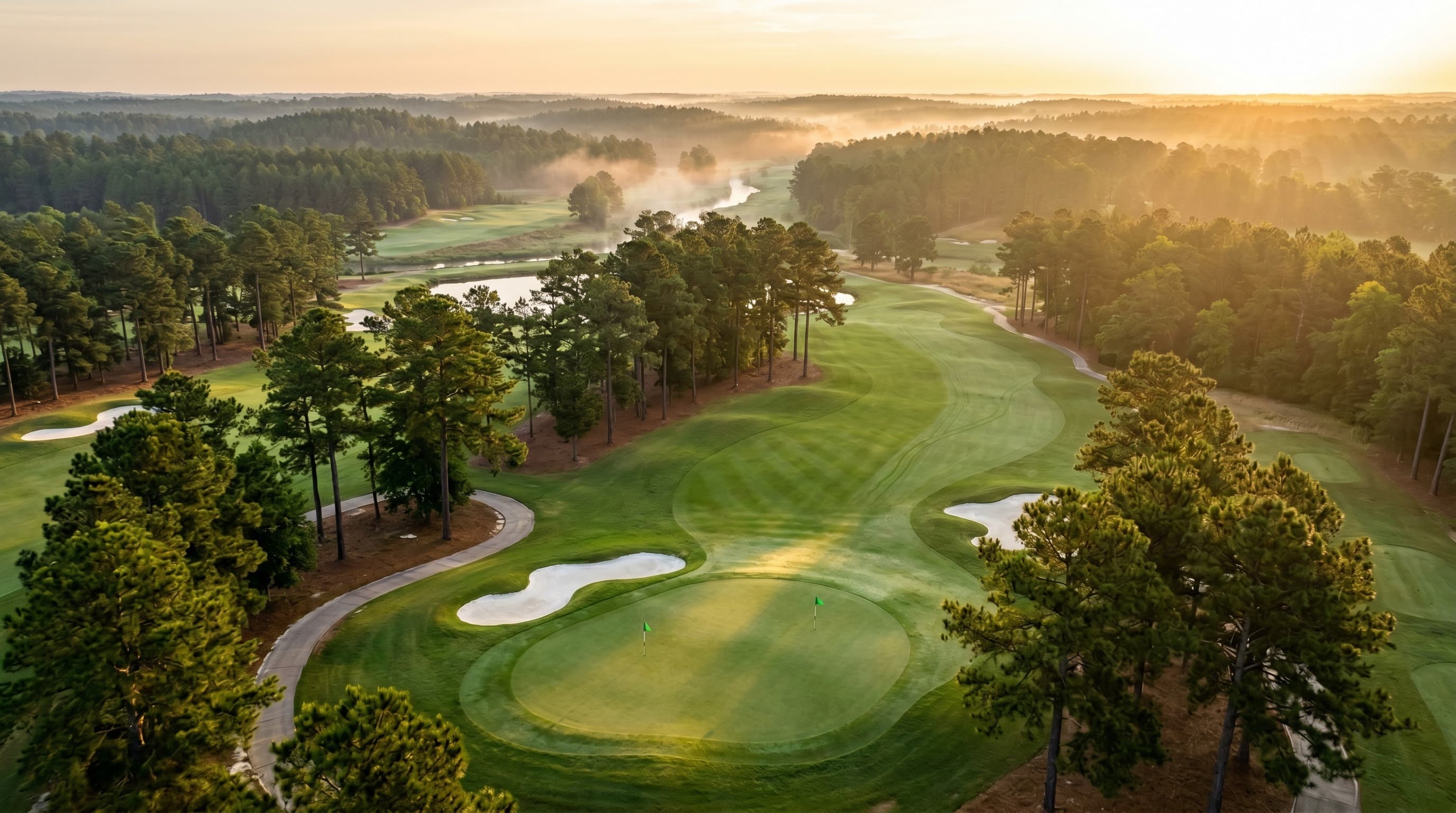
The May 2026 G-Score Heatmap: Where American Golf Peaks This Spring
May is the most underrated month on the American golf calendar. Five regions hit their annual peak this spring, three turn quietly hostile, and the data tells a clearer story than the brochures. Here is where to play, where to avoid, and how to time your booking window.
Read Story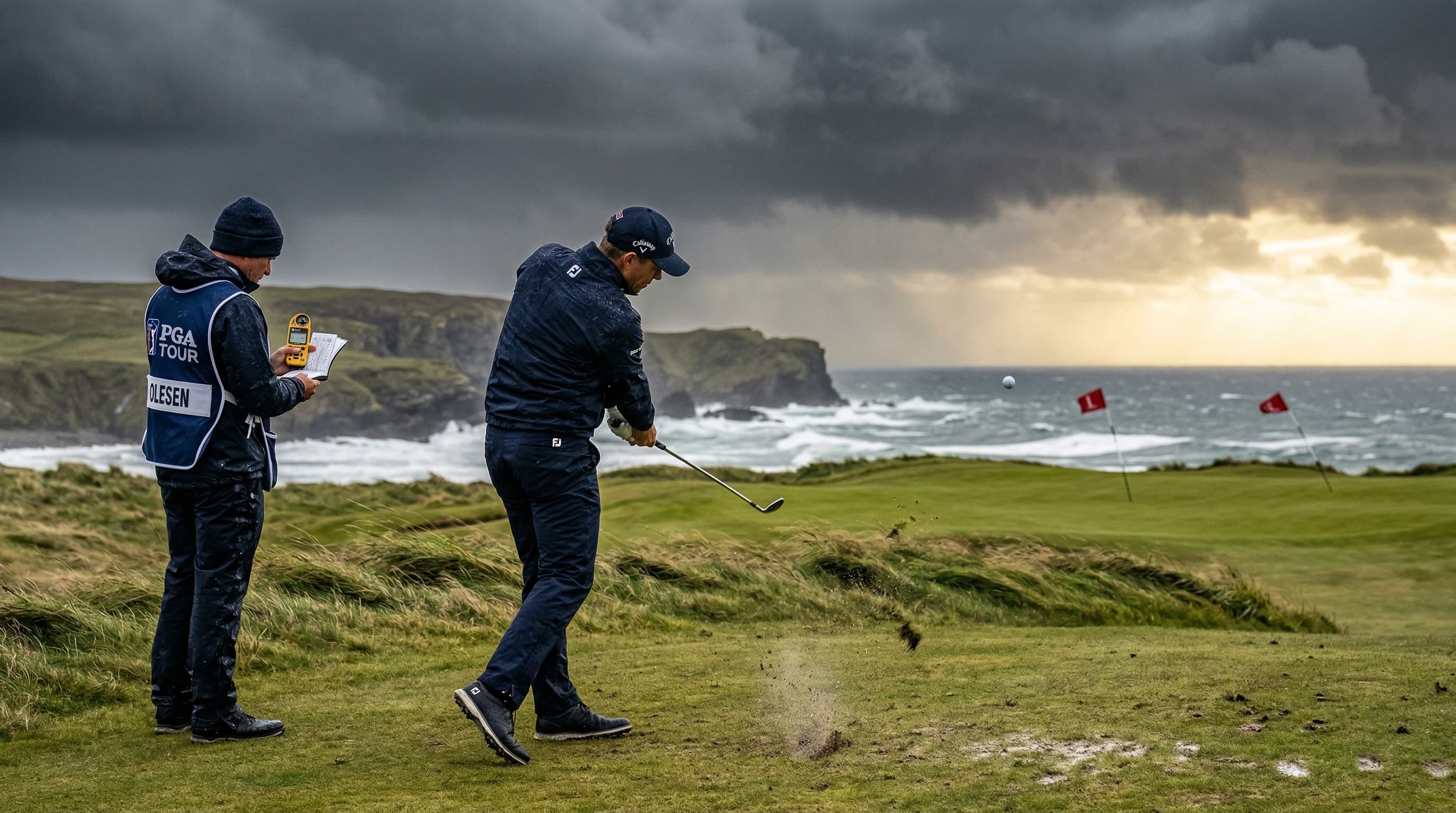
Golf Weather Physics: How Temperature, Altitude, and Humidity Change Ball Flight
Real physics data on how temperature, altitude, humidity, and wind change your golf ball flight — with specific yard adjustments, named course examples, and measured G-Score data from courses we track daily.
Read StoryMinSu Kim
Founder & Golf Data Analyst
MinSu is a data analyst and golfer with 10+ years on the course. He built Golf Weather Score to answer one question: is today a good day to play? He combines weather data, course intelligence, and the proprietary G-Score algorithm to help golfers make smarter decisions.
Every Friday Morning
When Cattail Creek Golf Course plays best next weekend.
Friday 6am ET: peak G-Score windows for Cattail Creek Golf Course, wind direction by hour, and one gear call. Three minutes to read, save you the round.
One email a week. Unsubscribe in one click.
The Caddie's Oracle
Draw your luck before the tee off