
Caddie's Gear Advisor
Curated for today's 92°F · Clear
Ultralight Distance Drivers
Maximum carry in hot, low-drag conditions
UV Protection Apparel
UPF 50+ cooling fabrics for peak-sun rounds
Precision Rangefinders
Slope-adjusted yardage in any condition
Hydration & Cooling
Insulated bottles and cooling towels
Your Golf Trip, Handled
The Ultimate Golf Trip Planner
Everything you need to play Cedaredge Golf Course — from booking your flight to checking in course-side.
Course-Side Stays
Luxury hotels, resorts, and stay-and-play packages just minutes from the first tee.
Flights
Compare fares across 700+ airlines for the best route to your tee time.
SUV Rentals for Golf Bags
Spacious vehicles with room for clubs, bags, and your foursome.
Travel Insurance
Coverage for medical, weather delays, and gear at your destination.
Cedaredge Golf Course: Course Intelligence
Signature Setup
Cedaredge Golf Course sits on the southern bench of Grand Mesa in Cedaredge, Colorado — the apple-orchard town in the Surface Creek Valley, Delta County, about 6,200 feet above sea level. Grand Mesa itself is the largest flat-top mountain in the world, and the course lives on its skirt, which is the single fact that governs how the place plays: elevation, cold-air drainage off the mesa, and a dry western-slope climate. I want to be straight with you here — I haven't found a documented architect of record for Cedaredge, and I haven't teed it up on this one personally. So the notes below are built from the course's elevation and setting plus what 6,000-foot western-Colorado golf reliably does to a round, not from a scorecard I signed. Where I'm inferring, I'll say so.
Hole-by-Hole Wind & Playing Lines
The wind story at Cedaredge is diurnal, not directional-by-the-ocean. Early, you get cool air draining downslope off Grand Mesa — usually light, often dead calm at first light. By late morning the valley heats and the flow reverses into an up-valley, up-slope thermal that can run 10–15 mph through the afternoon. That reversal is your whole planning key. On the longest par-4s played into that afternoon up-valley wind, the thin-air bonus (roughly +10% carry at this elevation) and a 10–12 mph headwind come close to canceling each other — so club to your true sea-level yardage, not your altitude number, or you'll fly the green's front and spin off the back. On the downhill holes falling off the bench with the wind behind, do the opposite: the altitude carry and the helping breeze stack, and a stock mid-iron can sail 20–25 yards long. Trust less club than your eyes want there.
Green & Fairway Characteristics
At 6,200 feet with low humidity, the ground is fast and the air is thin. Fairways play firm and the ball runs out well past its pitch mark, so landing zones sit short of where they would at sea level. The premium is on flighting approaches down and accepting release rather than trying to stop a high ball on firm, dry turf. Greens at western-slope elevation are typically cool-season surfaces (bent/poa) that putt slower in the cold dawn and quicken as the day dries and warms — the same green can gain noticeable speed between an 8 a.m. and a 1 p.m. read. Plan for grain and slope influenced by the drainage falling away from the mesa: putts tend to break toward the valley, downhill, faster than they look.
Seasonal Weather Pattern
This is a short-season mountain-bench course, not a year-round one. Realistic play runs roughly April through October; deep winter brings snow and closure at this elevation. Summer is the sweet spot: highs in the 80s with very low humidity, but mornings that start in the 40s–50s even in July because the cold air pools off Grand Mesa overnight. That big diurnal swing — 30-plus degrees between dawn and mid-afternoon — is the local signature. Cold-morning contact costs you 5–8 yards of carry until the air warms, which partly offsets the altitude bonus early. Late summer can bring isolated afternoon mountain build-ups rolling off the mesa; spring and fall give the calmest, most stable air but chilly starts.
Local Play Tips
The one thing tee-time sites won't tell you: the mesa runs the clock here, not the calendar. The first two hours after opening are a different golf course — calm, cool, slower greens, downslope air — than the same eighteen holes at 2 p.m. with the up-valley thermal switched on and the surfaces baked fast. If you're traveling from low elevation, give yourself a few holes to recalibrate distance before you trust the altitude carry; the temptation is to over-club early when cold air is eating the thin-air bonus, then under-club at midday when warm thin air gives it all back. Check whether the course is on summer or shoulder-season conditioning before you drive up — at 6,200 feet, green speed and firmness swing hard with the season.
Pre-Round Weather Workflow
Use the 7-day G-Score on this course page to time your round, and read two things. First, the morning-to-afternoon temperature spread: a 30-degree-plus swing tells you the cold dawn will cost carry early and the warm midday will add it back, so your club selection should drift down a half-club as the day heats. Second, the afternoon wind onset — once the up-valley thermal flag climbs past ~10 mph, switch from your altitude number to your true sea-level number into the wind. The windExposure here trends low at dawn and higher by early afternoon, so an early G-Score will usually run several points better than the same day's afternoon. Bottom line at Cedaredge: the mesa gives you calm, cool, controllable golf in the morning and takes it back after lunch — book the early slot.
Related Reading
Before you tee off at Cedaredge Golf Course
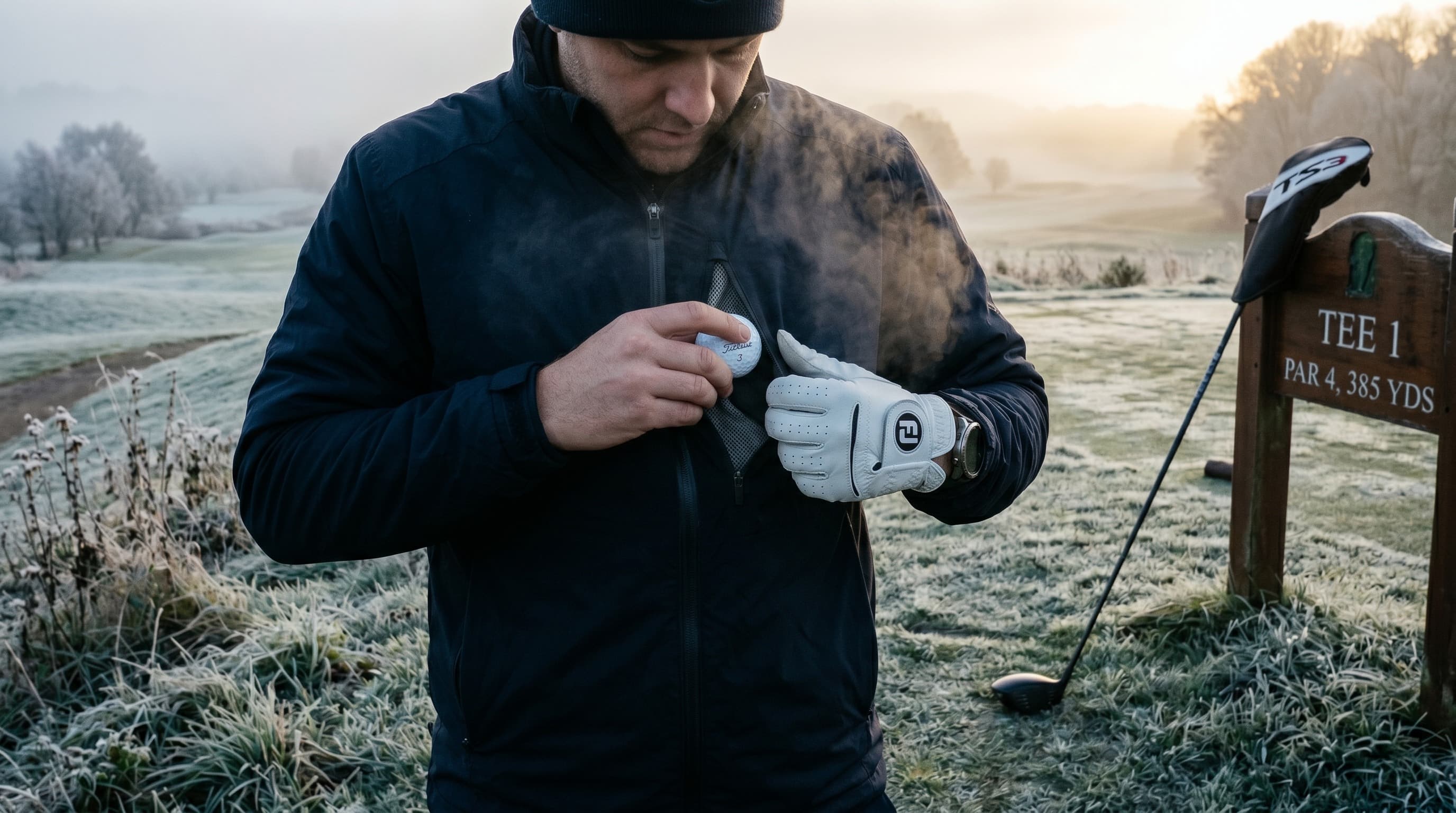
How Cold Weather Steals Distance: The Ball Compression Physics Every Golfer Should Know
Every 10°F drop costs the average golfer two to four yards of driver carry. Here is the physics — ball compression, air density, muscle temperature — and the field data we pulled from G-Score-monitored cold rounds to show exactly how distance loss compounds, and how to compensate without changing your swing.
Read Story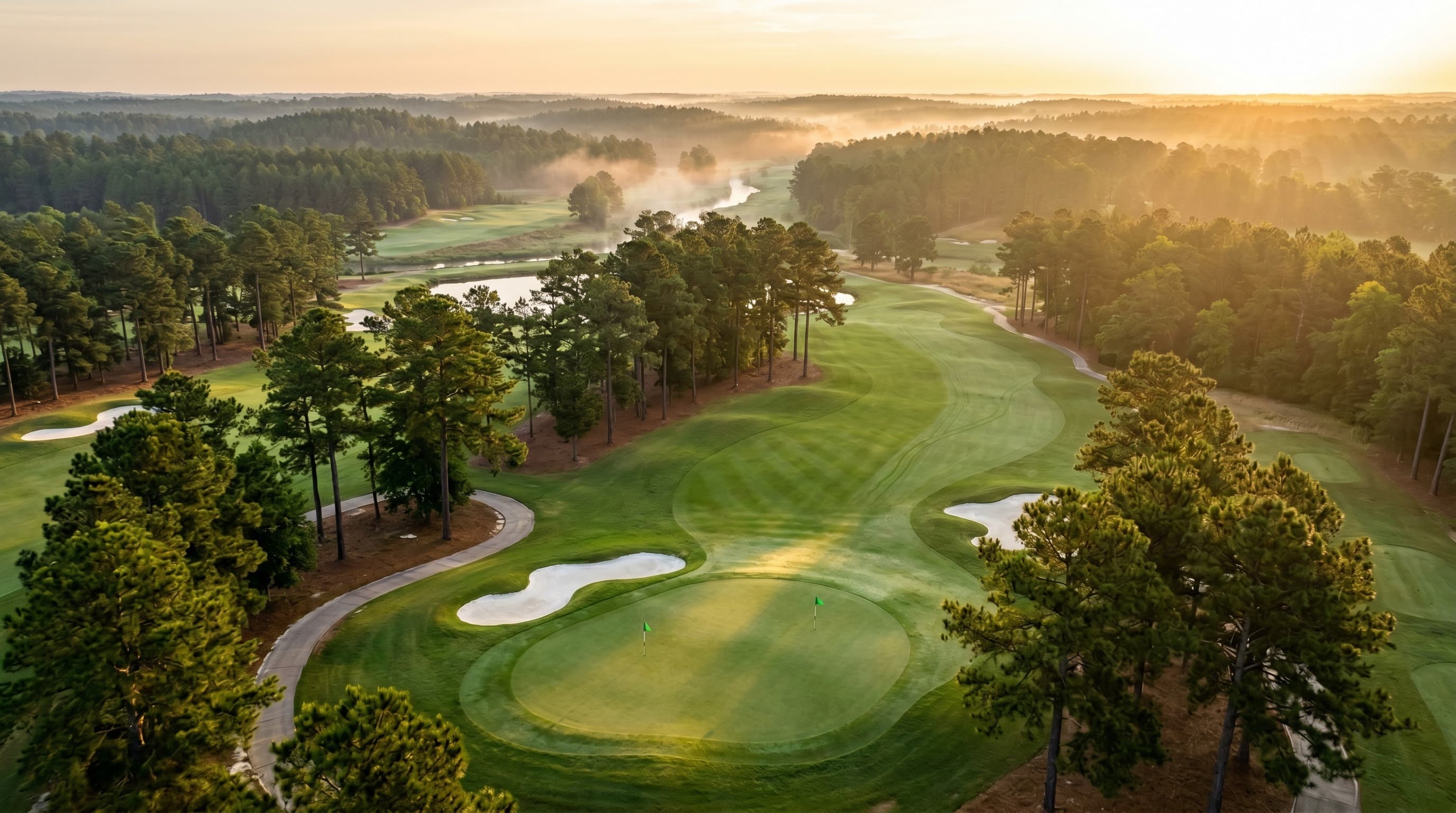
The May 2026 G-Score Heatmap: Where American Golf Peaks This Spring
May is the most underrated month on the American golf calendar. Five regions hit their annual peak this spring, three turn quietly hostile, and the data tells a clearer story than the brochures. Here is where to play, where to avoid, and how to time your booking window.
Read StoryMinSu Kim
Founder & Golf Data Analyst
MinSu is a data analyst and golfer with 10+ years on the course. He built Golf Weather Score to answer one question: is today a good day to play? He combines weather data, course intelligence, and the proprietary G-Score algorithm to help golfers make smarter decisions.
Every Friday Morning
When Cedaredge Golf Course plays best next weekend.
Friday 6am ET: peak G-Score windows for Cedaredge Golf Course, wind direction by hour, and one gear call. Three minutes to read, save you the round.
One email a week. Unsubscribe in one click.
The Caddie's Oracle
Draw your luck before the tee off