
Caddie's Gear Advisor
Curated for today's 96°F · Clear
Ultralight Distance Drivers
Maximum carry in hot, low-drag conditions
UV Protection Apparel
UPF 50+ cooling fabrics for peak-sun rounds
Precision Rangefinders
Slope-adjusted yardage in any condition
Hydration & Cooling
Insulated bottles and cooling towels
Las Vegas National Golf Club: Course Intelligence
Signature Setup
I played here on a March morning two springs ago, 54°F at the first tee and dead calm — then watched the flag on 18 stand sideways before I'd finished the back nine. That gap is the whole story of Las Vegas National. This is not a target-desert layout; Bert Stamps routed it in 1961 as the Stardust Country Club, a tree-lined parkland course minutes off the Strip, playing par 71 at 6,815 yards. Its one fixed line in the record books: the 18th, a 420-yard par-4 now called "Tiger's Hole," is where a 20-year-old Tiger Woods closed out his first PGA Tour victory at the 1996 Las Vegas Invitational with a closing 1-under 70.
Hole-by-Hole Wind & Playing Lines
Treat the wind as a schedule rather than a gamble. Dawn is glass; by 1 p.m. a 10–20 mph valley breeze fills in and the back nine stretches. The 6th — a 440-yard par-4 dogleg — is the hardest hole on the card, and the afternoon wind is what makes it cruel: water hugs the right, OB sits left, and the fairway narrows between them. Hold the left-center line off the tee and don't chase the corner; into a 15 mph quarter-wind a stock 150-yard mid-iron plays nearer 170. The opening 1st, a 533-yard par-5 with OB both sides and a lake fronting the green, is a dawn birdie and an afternoon three-shot survival hole. Bank your aggression for the calm early holes — spend it after noon and the valley charges interest.
Green & Fairway Characteristics
The fairways sit flatter and softer than the desert tracks nearby, framed by mature trees that shelter the tee boxes but give you nothing on the exposed greens. The putting surfaces read truer than first-time Vegas visitors expect. Ignore the local "everything breaks toward the mountains" line — the genuine drift runs toward the valley basin, so trust the surveyed slope under your feet over the skyline. From December through February the winter ryegrass overseed keeps the course green and runs a notch slower; I had a downhill 12-footer in January die a foot short that would have rolled out in October.
Seasonal Weather Pattern
This is Mojave desert, not generic sunshine. Summer highs push past 110°F with the back nine fully exposed, annual rainfall stays under 4 inches, and the valley logs roughly 300 sunny days a year. The real playing window is October through April, highs in the 60s–80s. The catch is spring: March and April bring the year's strongest, gustiest wind, which is exactly why my calm-then-sideways March round flipped so fast. Plan your clubbing around the wind, not the temperature.
Local Play Tips
Drink before you're thirsty. The dry air evaporates sweat the instant it surfaces, so dehydration arrives with none of the warnings humidity gives you — carry more water than feels reasonable, even in a 60°F January round. And take the early tee time literally here; this is not a course where the afternoon "plays about the same." It doesn't. The same eighteen holes at 7 a.m. and at 1 p.m. are two different golf courses.
Pre-Round Weather Workflow
Check the 7-day G-Score for Las Vegas National the night before and book the earliest slot with the lowest windExposure rating — mornings almost always grade higher than afternoons here. If only an afternoon tee time is left, add about half a club to every back-nine approach and play the 6th and 1st conservatively. For more Nevada desert timing notes and nearby courses, see our Nevada golf weather hub.
Course facts confirmed via the club's published history (Bert Stamps, 1961 as Stardust CC; Tiger Woods' 1996 PGA Tour debut win, closing 1-under 70).
Related Reading
Before you tee off at Las Vegas National Golf Club
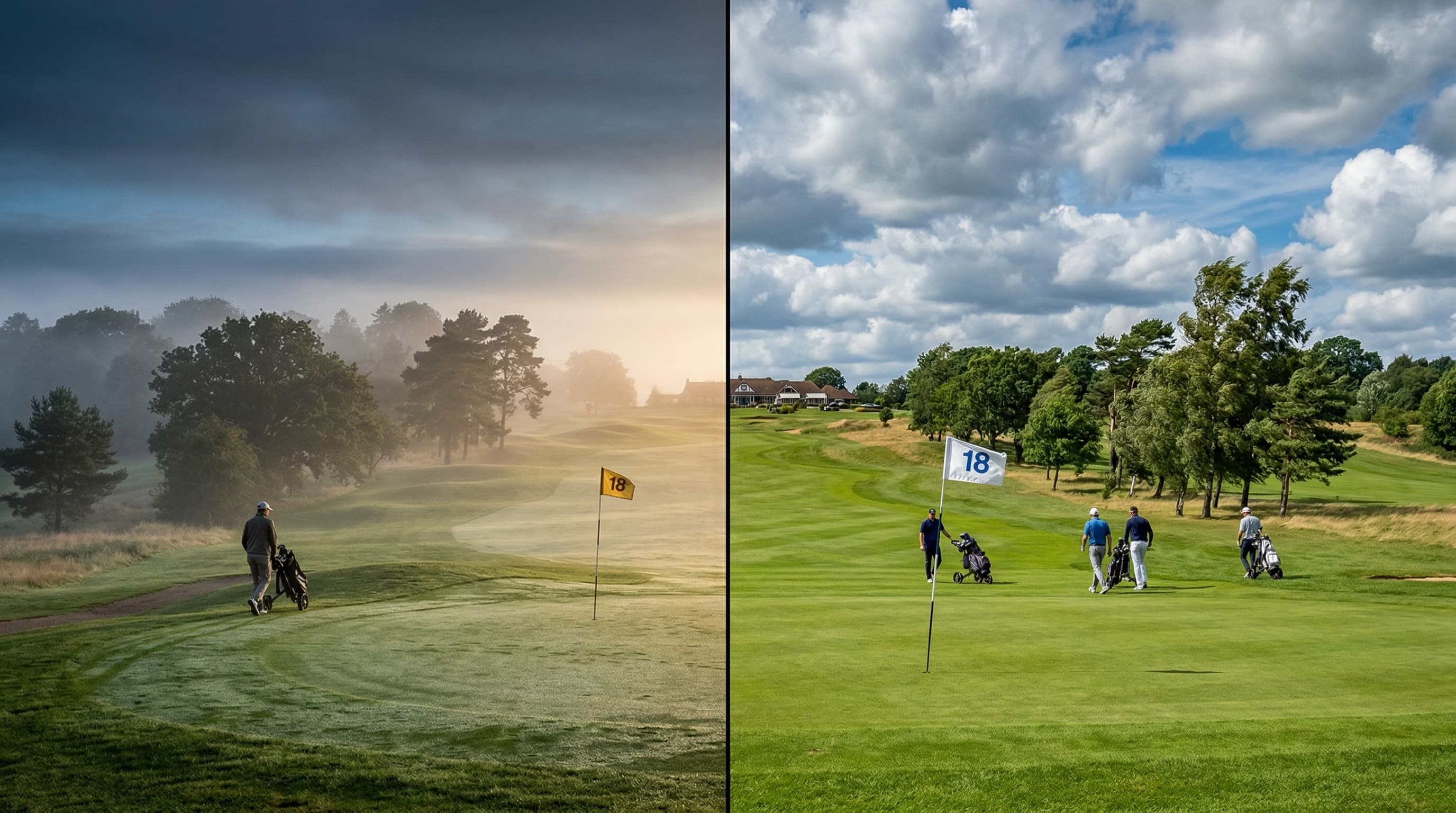
Morning vs Afternoon Tee Times: What Weather Data Reveals About When to Play
Hourly weather data reveals morning tee times score 8-12 G-Score points higher than afternoon slots. Here is what the numbers say about optimal timing.
Read Story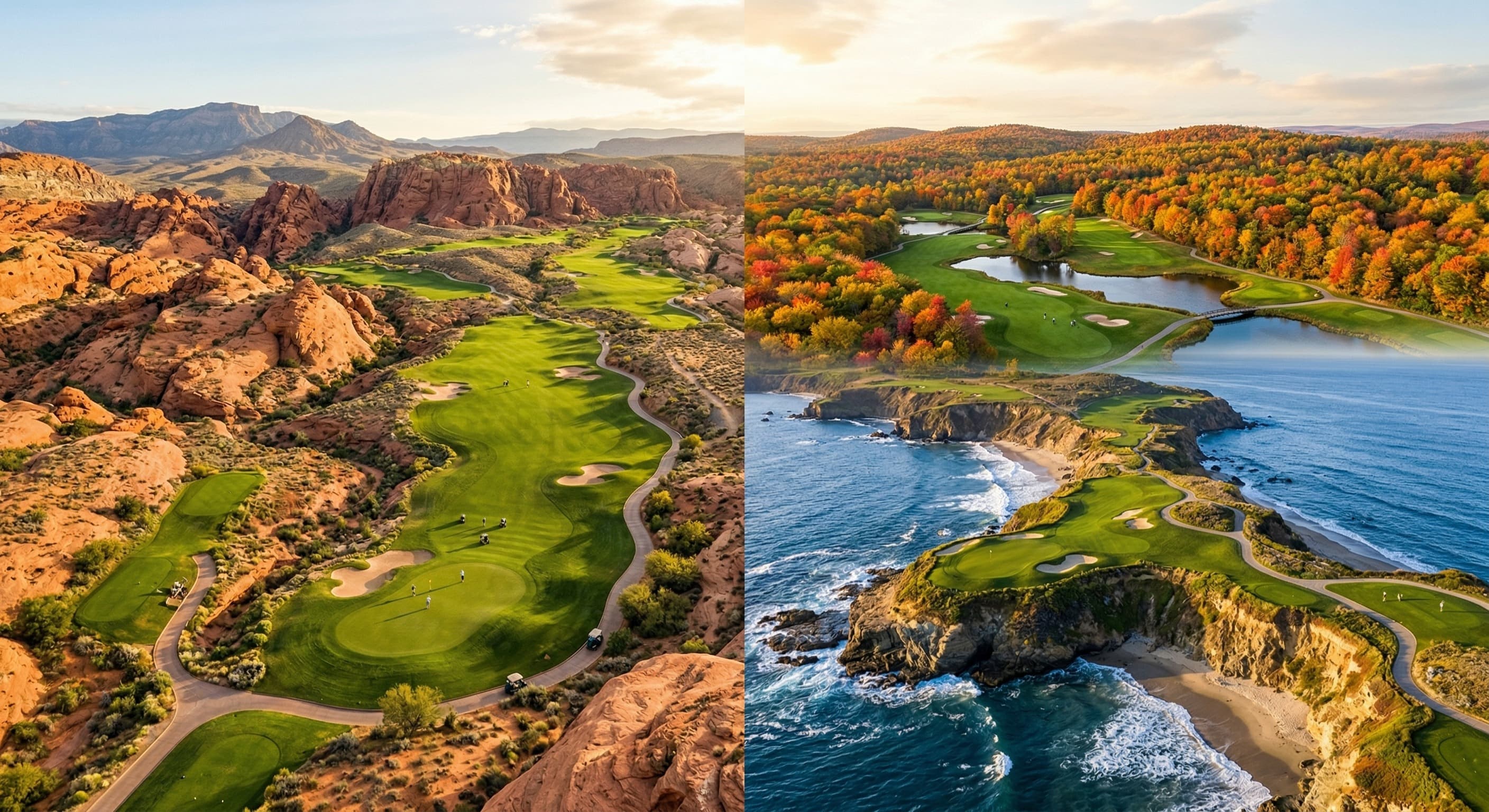
Best Golf Weather by State: Ranking America by Average G-Score
We ranked all 50 US states by average G-Score golf playability. California tops the list, but the results beyond the top five may surprise you.
Read StoryDanorie
Editorial & Data
Golf Weather Score is built by Danorie. We compute the G-Score — our own playability rating — from live NOAA forecasts and published course scorecards, so any US course can be compared on any day with a single number. Methodology and data sources are documented on every page.
Every Friday Morning
When Las Vegas National Golf Club plays best next weekend.
Friday 6am ET: peak G-Score windows for Las Vegas National Golf Club, wind direction by hour, and one gear call. Three minutes to read, save you the round.
One email a week. Unsubscribe in one click.
The Caddie's Oracle
Draw your luck before the tee off