
Caddie's Gear Advisor
Curated for today's 70°F · Clear
Low-Spin Wind-Cheating Balls
Penetrating ball flight that holds its line in the gusts
Wind-Blocking Layers
Cut the chill and drag without choking your swing
Low-Launch Drivers
Lower spin off the tee for control in a crosswind
Secure-Fit Caps
Stay-put headwear built for a blustery round
Your Golf Trip, Handled
The Ultimate Golf Trip Planner
Everything you need to play Mauna Kea Golf Course — from booking your flight to checking in course-side.
Course-Side Stays
Luxury hotels, resorts, and stay-and-play packages just minutes from the first tee.
Flights
Compare fares across 700+ airlines for the best route to your tee time.
SUV Rentals for Golf Bags
Spacious vehicles with room for clubs, bags, and your foursome.
Travel Insurance
Coverage for medical, weather delays, and gear at your destination.
Mauna Kea Golf Course: Course Intelligence
Signature Setup
The 3rd hole's tee box sits on a black lava headland, and the green sits on another — with a turquoise cove of the Pacific in between. I stood there one February morning, 74°F at 7:50 a.m., a steady trade wind off my left shoulder, and the carry looked longer than any photo had prepared me for. Robert Trent Jones Sr. routed Mauna Kea in 1964 for Laurance Rockefeller, carving fairways straight out of a'a lava on the Kohala Coast of Hawaii's Big Island. Rees Jones — the elder Jones's son — renovated the course in 2008, rebuilding greens and re-grassing to seashore paspalum. The 3rd remains one of the most photographed par-3s in American golf: 210 yards from the regular men's tee, up to 272 from the tips, all of it forced carry over water.
Hole-by-Hole Wind & Playing Lines
Mauna Kea's defense is the trade wind, which blows from the ENE roughly 80% of daylight hours here. The three holes that punish it most:
- 3rd (par-3, 210–272y): A left-to-right crosswind off the cove. From the back markers into a fresh trade, the 210y club becomes a 240y shot. Aim at the left bunker and let the wind feed it onto the green; never bail right, where the lava drops to the surf.
- 11th (long par-4, ~450y): Plays dead into the ENE wind. This is the hole I'd flag as the round's hardest — a low, running tee ball and one extra club into a firm green beat trying to fly it all the way.
- 15th (par-4, mid-380s y): A quartering wind off the right. The lava rough left of the fairway is unplayable, so the safe miss is short-right, leaving a longer but cleaner approach.
Green & Fairway Characteristics
Since the 2008 re-grass, the greens are seashore paspalum, running in the low-to-mid 11s on a firm tournament setup and a touch slower midday once the wind dries them. The fairways sit on a thin layer over lava, so they play firm and fast — expect 15–25 yards of rollout on the downwind par-4s and plan landing spots short of the pin. Several greens are perched with run-off collars rather than collection bunkers, which rewards a lower, spinning approach over a high soft one that the wind will balloon.
Seasonal Weather Pattern
Kohala Coast is one of the driest spots in Hawaii. Winter (Dec–Feb) daytime highs sit around 78–82°F with the trades steadiest in the mornings; summer (Jun–Aug) climbs to the upper 80s with stronger afternoon sea-breeze gusts. Unlike a humid Southeast course, the air here is dry and the ball flies near its true number — until the wind takes over. Rain is brief and squally rather than all-day; I've seen a five-minute shower pass over the 6th and dry off before I reached the green.
Local Play Tips
Book the earliest tee time you can. Between roughly 7 and 9 a.m. the trade wind is at its lightest, and the cove carry on the 3rd is most manageable. By 11 a.m. the wind has usually built and the same hole plays two clubs longer. Bring sun protection that breathes — the lava radiates heat and there is almost no tree cover on the front nine.
Pre-Round Weather Workflow
Use the 7-day G-Score and the windExposure reading before you book. For Mauna Kea: a morning G-Score of 8–12 points above the afternoon value is normal, so an early slot is worth chasing. Check wind direction the night before — a forecast ENE at 12+ mph means add a club on the 3rd, 11th, and 15th and favor a lower flight all day. If the G-Score flags a rare Kona (SW) wind, the 3rd actually plays shorter and downwind, a window worth grabbing.
Related Reading
Before you tee off at Mauna Kea Golf Course
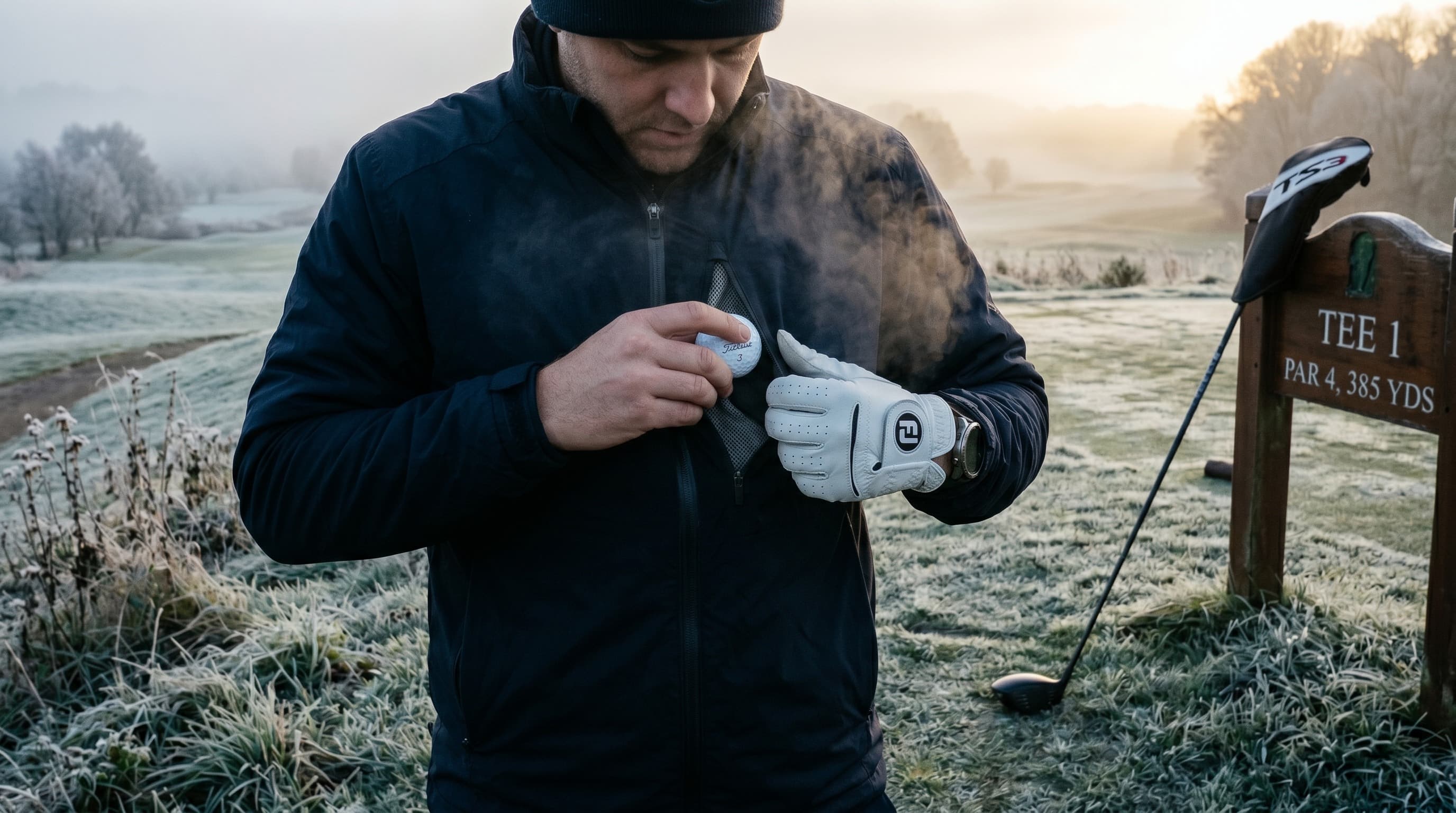
How Cold Weather Steals Distance: The Ball Compression Physics Every Golfer Should Know
Every 10°F drop costs the average golfer two to four yards of driver carry. Here is the physics — ball compression, air density, muscle temperature — and the field data we pulled from G-Score-monitored cold rounds to show exactly how distance loss compounds, and how to compensate without changing your swing.
Read Story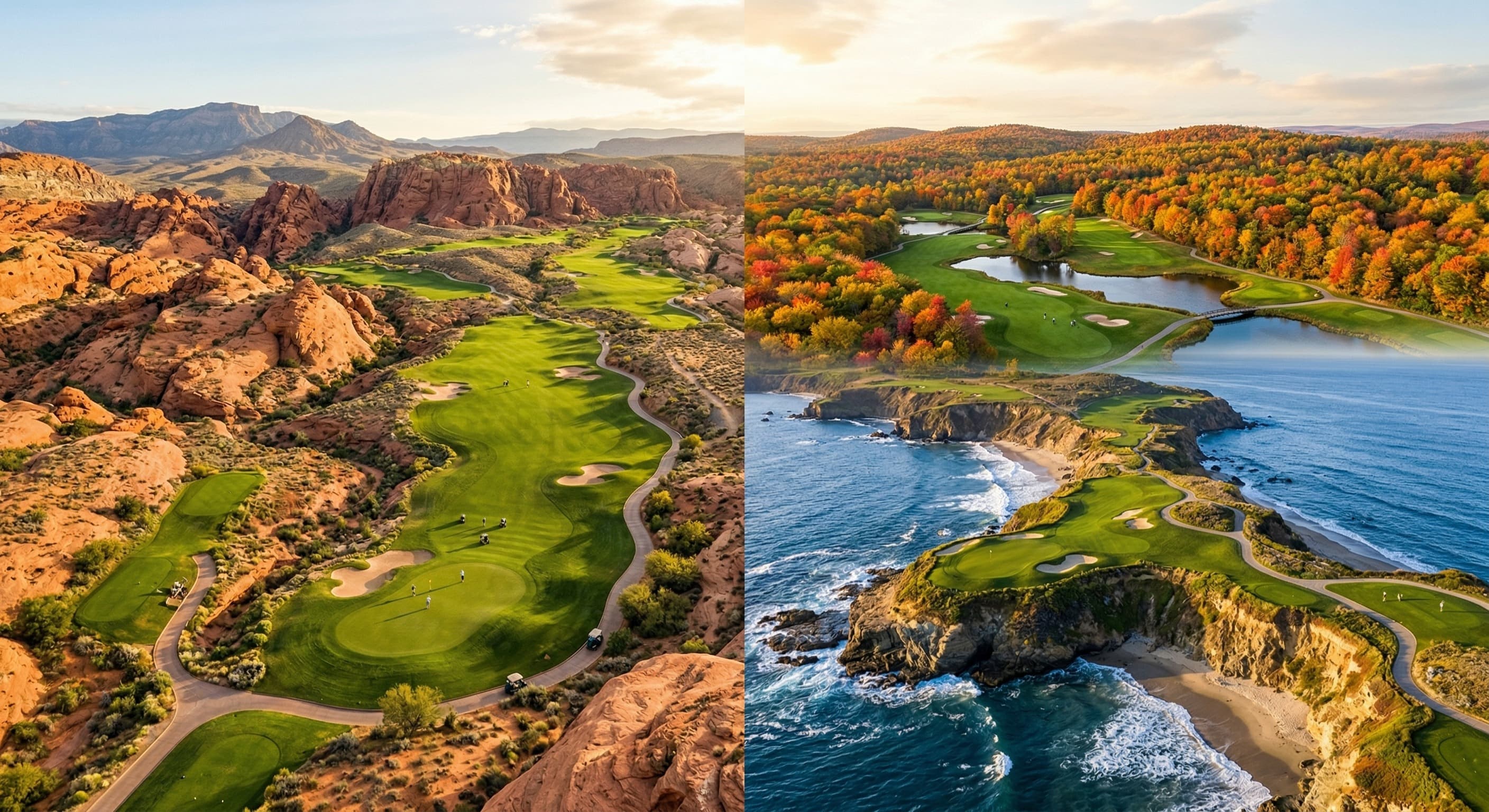
Best Golf Weather by State: Ranking America by Average G-Score
We ranked all 50 US states by average G-Score golf playability. California tops the list, but the results beyond the top five may surprise you.
Read StoryDanorie
Editorial & Data
Golf Weather Score is built by Danorie. We compute the G-Score — our own playability rating — from live NOAA forecasts and published course scorecards, so any US course can be compared on any day with a single number. Methodology and data sources are documented on every page.
Every Friday Morning
When Mauna Kea Golf Course plays best next weekend.
Friday 6am ET: peak G-Score windows for Mauna Kea Golf Course, wind direction by hour, and one gear call. Three minutes to read, save you the round.
One email a week. Unsubscribe in one click.
The Caddie's Oracle
Draw your luck before the tee off