
Caddie's Gear Advisor
Curated for today's 89°F · Clear
Ultralight Distance Drivers
Maximum carry in hot, low-drag conditions
UV Protection Apparel
UPF 50+ cooling fabrics for peak-sun rounds
Precision Rangefinders
Slope-adjusted yardage in any condition
Hydration & Cooling
Insulated bottles and cooling towels
Your Golf Trip, Handled
The Ultimate Golf Trip Planner
Everything you need to play TPC Colorado — from booking your flight to checking in course-side.
Course-Side Stays
Luxury hotels, resorts, and stay-and-play packages just minutes from the first tee.
Flights
Compare fares across 700+ airlines for the best route to your tee time.
SUV Rentals for Golf Bags
Spacious vehicles with room for clubs, bags, and your foursome.
Travel Insurance
Coverage for medical, weather delays, and gear at your destination.
TPC Colorado: Course Intelligence
Signature Setup
The scorecard at TPC Colorado reads 7,991 yards and your first instinct is to flinch — until you remember you're standing at 5,000 feet. I walked the property on a September morning in Berthoud, 54°F at 7:30 a.m. with the air bone-dry and the Front Range still in shadow, and the first thing the starter told me was to throw out my sea-level yardages.
TPC Colorado was designed by Arthur Hills with Drew Rogers and opened in 2018 on the shore of Lonetree Reservoir, north of Denver between Loveland and Longmont. It plays to a par of 72 and, since 2019, has hosted the TPC Colorado Championship on the Korn Ferry Tour — staged in July, the heart of the high-plains summer.
Hole-by-Hole Wind & Playing Lines
Hole 13 "The Heel" (par-5, up to ~727y). Listed as one of the longest holes in tournament golf, it curls along Lonetree Reservoir down the left. The altitude is your friend here: at 5,000 feet the ball carries roughly 10% farther, so 727 yards on the card plays closer to a sea-level 650. Into a west wind off the foothills, that gift shrinks fast — it's driver, a committed long iron that stays right of the reservoir-side bunkering, then a wedge. Bail right; everything left is wet.
Hole 9 (par-4, ~470y). A long two-shotter exposed to the prevailing W/NW wind that pours off the Front Range after mid-morning. Into it, the green plays a full club-and-a-half longer than the yardage suggests despite the thin air — favor the fat center and take your par.
Hole 18 (par-4). The closer sits back near the water with wind usually quartering off the left. A drive held up the right side leaves the cleanest angle; the miss long is dead, so club for the front-center and let the firm bentgrass feed it back.
Green & Fairway Characteristics
Bentgrass greens stay fast and firm in the dry mountain-edge air, and bentgrass fairways are hemmed by native high-plains fescue that simply eats a wayward ball. Slope runs in the low-140s from the championship tees. With the routing open and all but treeless across rolling reservoir ground, your club selection comes down to wind and altitude rather than tree lines. The turf is firm and dry enough that a high stopping wedge is the wrong tool — the ball bounces hard and runs out, so I land approaches short of the flag and let them chase up rather than flying one in that the ball will skip past.
Seasonal Weather Pattern
Berthoud sits in a semi-arid high-plains climate with huge diurnal swings — a 50°F dawn can become an 88°F afternoon in July. The tournament window lands in the Colorado monsoon, when pop-up afternoon thunderstorms build over the foothills almost daily, which is exactly why morning waves play calmer and safer than the muggy, electric afternoons. June and September are the visitor's sweet spot: highs in the 70s°F, single-digit humidity, firm greens. NOAA Front Range records show summer afternoons as the most storm-prone stretch, so lightning timing matters as much as wind. I haven't played here in the shoulder of late October, so I lean on historical data for that window.
Local Play Tips
One thing no yardage book will tell you: re-club for altitude on every shot, but trust it least into the wind. At 5,000 feet your stock 7-iron flies a club longer on a calm morning — then the W/NW Front Range wind arrives after 10 a.m. and eats most of that gain back on the holes facing the foothills. The mistake I watched group after group make was banking the altitude bonus on an upwind approach and coming up two clubs short. Take the free distance only when the air is dead still, and respect the dry, firm greens — they release far more than a sea-level player expects.
Pre-Round Weather Workflow
Build your plan off the 7-day G-Score at the top of this page. On a layout this exposed the single biggest lever, three days out, is landing your tee window ahead of the mid-morning Front Range wind — that timing alone swings the score 8–12 points. Morning of, the windExposure panel sets the rest: a W/NW reading stretches the 470-yard 9th, the 700-plus-yard 13th along the reservoir, and the closer back near the water, and at 5,000 feet that wind cancels most of the altitude bonus, so I club up and aim center instead of banking the thin-air distance. From the July monsoon on, the lightning radar earns equal billing with the wind gauge — a first-wave time is the only reliable shelter from both the pop-up storms and the foothills gusts that take over after 10 a.m.
Related Reading
Before you tee off at TPC Colorado
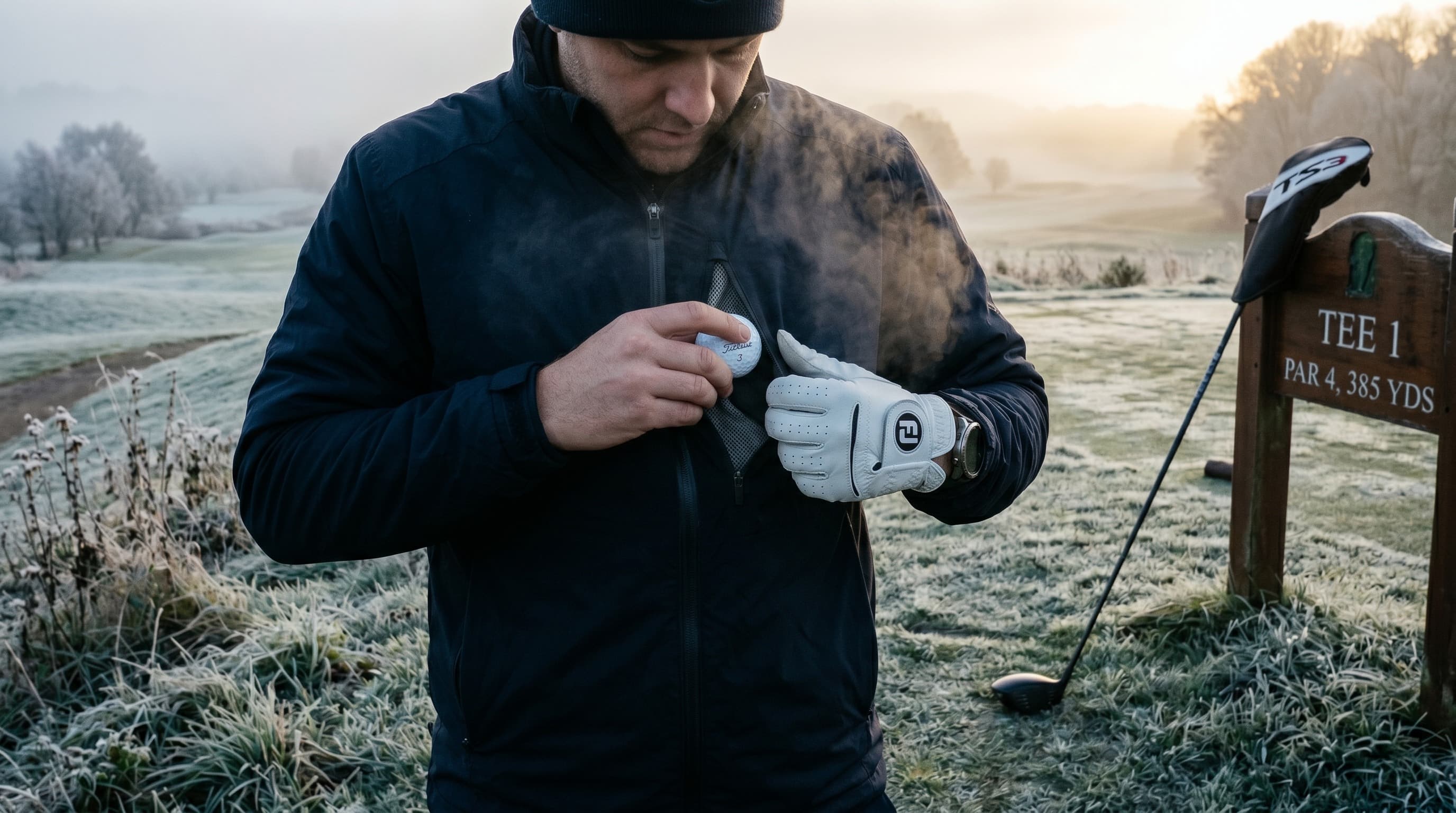
How Cold Weather Steals Distance: The Ball Compression Physics Every Golfer Should Know
Every 10°F drop costs the average golfer two to four yards of driver carry. Here is the physics — ball compression, air density, muscle temperature — and the field data we pulled from G-Score-monitored cold rounds to show exactly how distance loss compounds, and how to compensate without changing your swing.
Read Story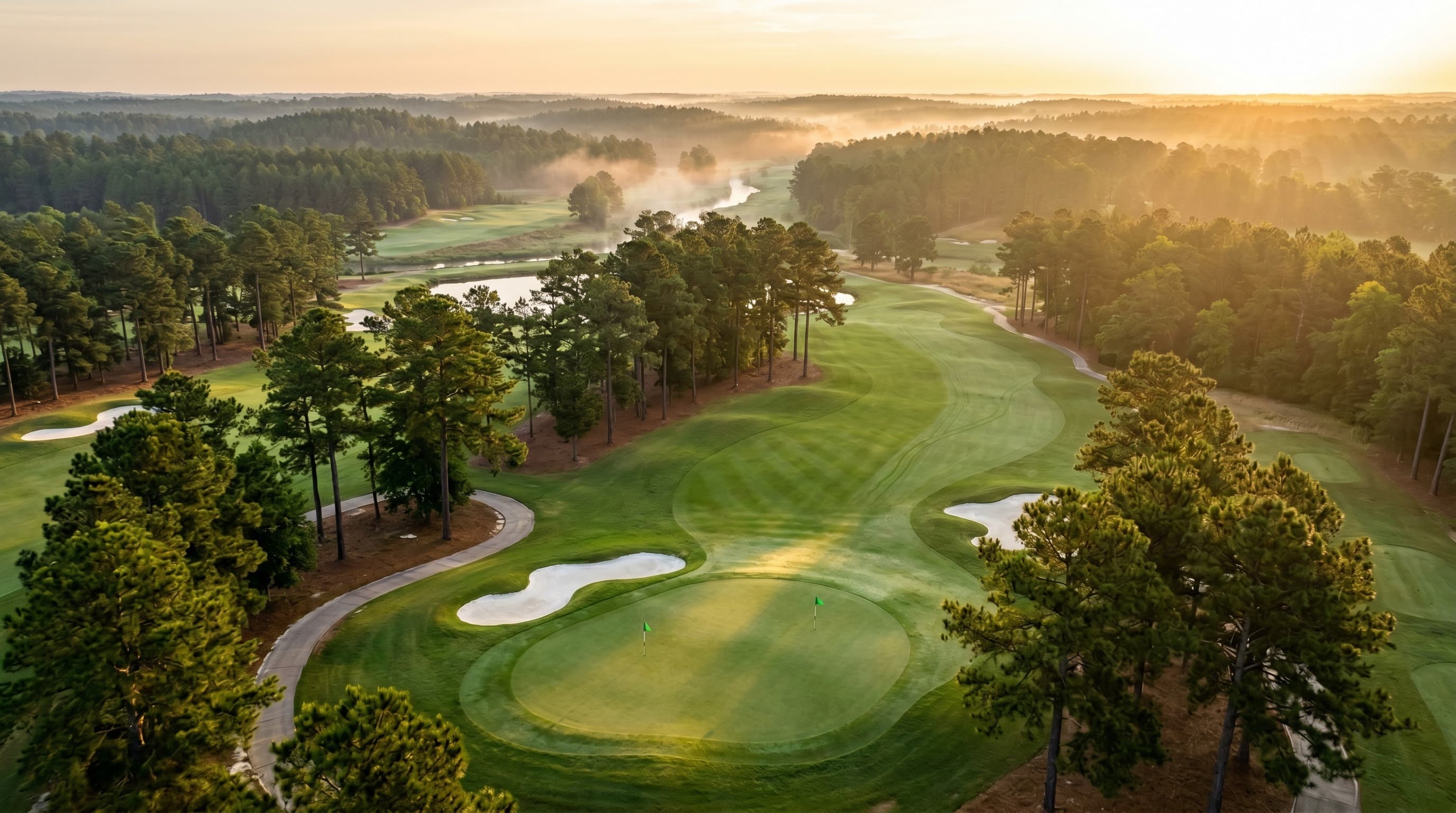
The May 2026 G-Score Heatmap: Where American Golf Peaks This Spring
May is the most underrated month on the American golf calendar. Five regions hit their annual peak this spring, three turn quietly hostile, and the data tells a clearer story than the brochures. Here is where to play, where to avoid, and how to time your booking window.
Read StoryMinSu Kim
Founder & Golf Data Analyst
MinSu is a data analyst and golfer with 10+ years on the course. He built Golf Weather Score to answer one question: is today a good day to play? He combines weather data, course intelligence, and the proprietary G-Score algorithm to help golfers make smarter decisions.
Every Friday Morning
When TPC Colorado plays best next weekend.
Friday 6am ET: peak G-Score windows for TPC Colorado, wind direction by hour, and one gear call. Three minutes to read, save you the round.
One email a week. Unsubscribe in one click.
The Caddie's Oracle
Draw your luck before the tee off