
Caddie's Gear Advisor
Curated for today's 107°F · Clear
Ultralight Distance Drivers
Maximum carry in hot, low-drag conditions
UV Protection Apparel
UPF 50+ cooling fabrics for peak-sun rounds
Precision Rangefinders
Slope-adjusted yardage in any condition
Hydration & Cooling
Insulated bottles and cooling towels
Your Golf Trip, Handled
The Ultimate Golf Trip Planner
Everything you need to play Ak-Chin Southern Dunes Golf Club — from booking your flight to checking in course-side.
Course-Side Stays
Luxury hotels, resorts, and stay-and-play packages just minutes from the first tee.
Flights
Compare fares across 700+ airlines for the best route to your tee time.
SUV Rentals for Golf Bags
Spacious vehicles with room for clubs, bags, and your foursome.
Travel Insurance
Coverage for medical, weather delays, and gear at your destination.
Ak-Chin Southern Dunes Golf Club: Course Intelligence
Signature Setup
I played Southern Dunes on a still January morning, 47°F at the 1st tee with frost burned off the rye but the air still cold enough that my first drive came up a club short. What strikes you immediately is how open it is — no houses, no cart-path clutter, just rolling sand and grass running to the horizon, which is rare for a metro-Phoenix daily-fee.
Schmidt-Curley Design — Lee Schmidt and Brian Curley — built the course in 2002 with Fred Couples consulting, on low Sonoran desert near Maricopa at roughly 1,160 feet of elevation. It is a public course owned by the Ak-Chin Indian Community and plays to a par of 72, stretching to about 7,546 yards from the championship tees. The style is desert-links: huge sweeping waste bunkers, firm turf, and almost no trees to block the wind.
Hole-by-Hole Wind & Playing Lines
Hole 18 (the stoutest hole, par-4, ~470y from the back). A long two-shotter back toward the clubhouse with a continuous waste area down the right. Into the prevailing afternoon SW wind I hit driver and still had a 4-iron in. Favor the left-center off the tee to keep the sand out of play, and play to the fat of the green rather than a back-right flag — short and center is a safe par here, and a pulled approach in that wind drifts long.
A reachable par-5 on the inward nine. Southern Dunes has par-5s built to tempt — split fairways and short grass framed by waste bunkering. Downwind in the morning calm I went for it in two; into a 12–15 mph afternoon breeze the smart play is a lay-up to a full wedge, because the greens are firm and a long-iron skips through the back.
A mid-length par-3 over sand. With no trees to break it, the par-3s sit fully exposed to a crossing desert wind. The number is never just the number here — on a NW–SE wind axis a 175-yard one-shotter can play 155 or 195 depending on the hour, so I take my wind read off the flagstick, not the forecast.
Green & Fairway Characteristics
Bermuda fairways carry a perennial-rye overseed through the cool months, so they hold their color and tight lie from roughly October into April; once that season passes the Bermuda firms and the ball chases for yards across this flat, sandy ground. The greens are Bermuda too, bred for low-desert summer heat, and they stimp around 10–11 — firm surfaces that release the approach and refuse a steeply dropped, high-spinning shot. Slope runs to about 138 from the tips. With no tree cover at all, the governing variable is exposure rather than length: the inward holes coming back to the clubhouse absorb the worst of the afternoon SW push, so a high spinning wedge into them gets flattened, and the smarter shot is one you can land short and run up.
Seasonal Weather Pattern
Run Maricopa's calendar backward from most of the country: the good months are November through April, highs parked in a pleasant 65–72°F band over mornings that open cold — 40s are routine through December and January. The warm-up from May is steep, and June into September turns genuinely hazardous, highs over 105°F with the July–September monsoon firing sudden afternoon dust storms and thunderstorms. Winter's day-to-night swing is the part that changes your round: 30°F between a frosty dawn and a mild afternoon shifts carry distance noticeably between your first holes and your last. My firsthand reads here are all from the cool season; for peak-summer green behavior I'm leaning on low-desert norms rather than rounds I've actually played in that heat.
Local Play Tips
One thing the scorecard won't tell you: this site is dead flat and completely treeless, so the wind has nothing to slow it down, and it reliably wakes up by late morning. The first tee times are a different, much easier course than the early-afternoon ones. At ~1,160 feet of elevation the ball carries a touch farther than at sea level — less of a factor than the high-desert Scottsdale courses, but on a warm, dry afternoon I still club down half a club once it's past 80°F. And because the waste bunkers are sandy native areas rather than maintained traps, you can usually ground your club and you'll often get a clean lie — take the aggressive recovery when you draw a good one.
Pre-Round Weather Workflow
Start with this page's 7-day G-Score and work the timing first. Because the desert wind here wakes by late morning and this site has nothing to slow it, the question three days out is simply which side of that build your tee window sits on — at this treeless course that one fact swings the number 8–12 points, so push earlier whenever it trends breezy. On the morning itself, let the windExposure direction set your plan: a SW reading puts the closer (the ~470y 18th) and the rest of the inward run straight into it, so commit to left-center lines and an extra club coming home. Check the dawn low in winter — under 45°F your opening drives will come up a club short until the air warms, the way mine did off that 47°F January first tee. And if the high tops 100°F or the monsoon shows on the panel, take the first wave off the sheet and overload on water; on these firm greens a low runner into the wind also beats any wedge you try to fly high.
Related Reading
Before you tee off at Ak-Chin Southern Dunes Golf Club
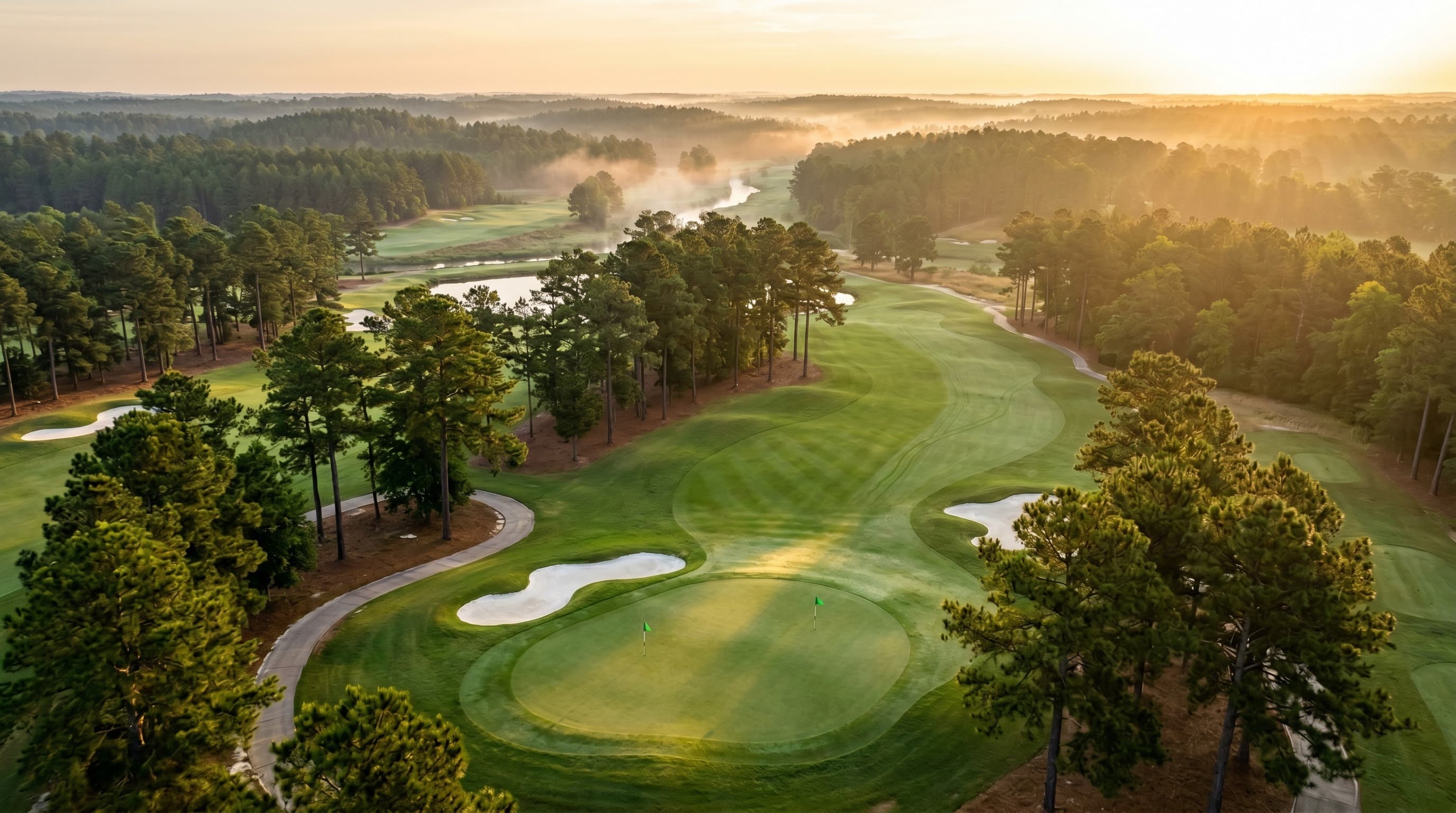
The May 2026 G-Score Heatmap: Where American Golf Peaks This Spring
May is the most underrated month on the American golf calendar. Five regions hit their annual peak this spring, three turn quietly hostile, and the data tells a clearer story than the brochures. Here is where to play, where to avoid, and how to time your booking window.
Read Story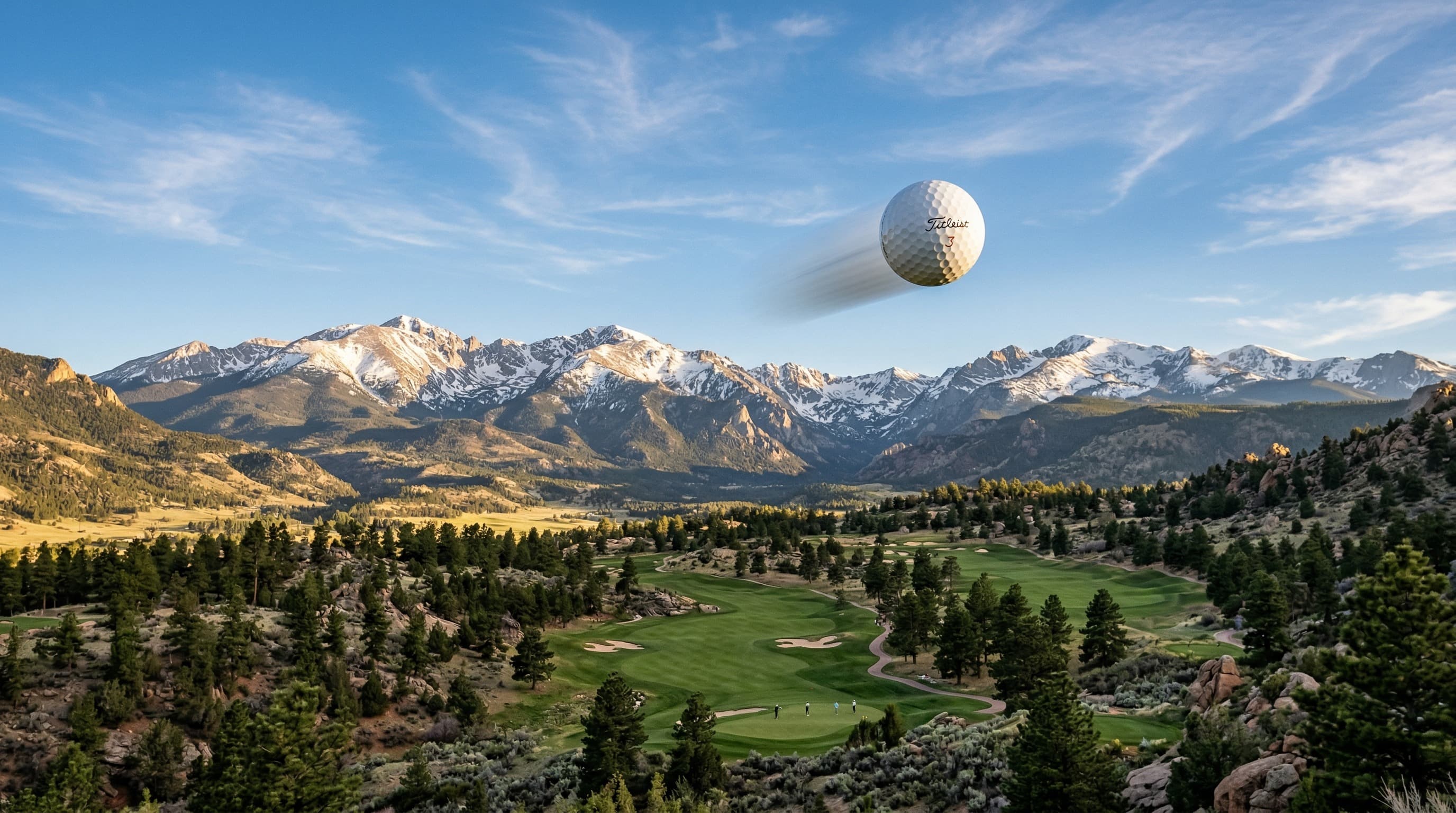
How Altitude Affects Golf Ball Distance: The Science Behind Every Extra Yard
At elevation, your golf ball flies farther than you expect. We break down exactly how altitude changes carry distance, spin rates, and club selection using real data from high-altitude courses across America.
Read StoryMinSu Kim
Founder & Golf Data Analyst
MinSu is a data analyst and golfer with 10+ years on the course. He built Golf Weather Score to answer one question: is today a good day to play? He combines weather data, course intelligence, and the proprietary G-Score algorithm to help golfers make smarter decisions.
Every Friday Morning
When Ak-Chin Southern Dunes Golf Club plays best next weekend.
Friday 6am ET: peak G-Score windows for Ak-Chin Southern Dunes Golf Club, wind direction by hour, and one gear call. Three minutes to read, save you the round.
One email a week. Unsubscribe in one click.
The Caddie's Oracle
Draw your luck before the tee off