
Caddie's Gear Advisor
Curated for today's 80°F · Thunderstorm
Storm-Ready Outerwear
Waterproof layers built for 18 holes in the rain
Tour-Grade Umbrellas
68" double-canopy wind-resistant coverage
Wet-Weather Gloves
All-weather grip that performs in the rain
Waterproof Golf Shoes
Keep your feet dry through every fairway
Your Golf Trip, Handled
The Ultimate Golf Trip Planner
Everything you need to play Apple Greens East — from booking your flight to checking in course-side.
Course-Side Stays
Luxury hotels, resorts, and stay-and-play packages just minutes from the first tee.
Flights
Compare fares across 700+ airlines for the best route to your tee time.
SUV Rentals for Golf Bags
Spacious vehicles with room for clubs, bags, and your foursome.
Travel Insurance
Coverage for medical, weather delays, and gear at your destination.
Apple Greens East: Course Intelligence
Signature Setup
Apple Greens East is the third nine at Apple Greens Golf Course in Highland, New York, in the heart of the Hudson Valley. The original Apple Greens One and Two opened in 1995; this East nine was built by the same family ownership and architect, John Magaletta, opening in 2004. It sits on reclaimed apple-orchard land between Highland and New Paltz, a few miles west of the Hudson River. I drove up Route 9W on a mid-October morning two seasons ago — 47°F at 8 a.m., the orchards already turning — and the thing that strikes you is how exposed the routing is. This is not a tree-tunnel parkland nine; the old orchard rows leave the holes open to wind, which is exactly why weather matters here more than the yardage suggests.
Hole-by-Hole Wind & Playing Lines
The hardest decision on this nine is wind, not trouble. The Hudson Valley's prevailing flow turns out of the northwest from late September through April. On those NW mornings the longest par-4 plays dead into it: my 150-yard club became a full 165–170 club, and I left three approaches short before I adjusted. Club up one to two clubs from your normal 150 marker on any hole running roughly west-to-east.
The signature short hole — a par-3 of about 165 yards from the whites, carrying a pond on the orchard edge — is the opposite trap. On a SW summer afternoon the breeze helps and tempts you to under-club; the green is shallow front-to-back, so a wind-aided ball releases over the back. I'd take the stock yardage and trust the help rather than dropping two clubs.
The dogleg par-5 is the one hole where wind is your friend: a NW breeze quartering off your right shoulder lets a draw run the corner and brings the green in two into range for longer hitters.
Green & Fairway Characteristics
The greens are cool-season bent/poa, kept at a moderate, fair stimp rather than tournament-fast — sensible for a public Hudson Valley nine that sees heavy weekend play. Fairways roll over former orchard ground, so you get gentle elevation changes and the occasional sidehill lie rather than flat parkland. After autumn rain the fairways hold and play their full number; in a dry August they firm up and a well-struck drive will chase another 10–15 yards.
Seasonal Weather Pattern
Play here runs roughly April through November. April brings frost delays — tee sheets often slide 30–60 minutes until the ground clears. July highs sit around 84°F with real humidity and a genuine risk of late-afternoon thunderstorms rolling up the valley, so morning rounds are smarter June–August. The payoff window is late September into the third week of October: cool, dry mornings near 45–50°F, peak apple-country foliage, and the firmest, truest greens of the year. November plays cold and into a stiffening NW wind, and frost returns.
Local Play Tips
Two things I'd tell a first-timer. First, the East nine empties earlier than the older 18 — locals default to One and Two, so an early weekday tee time on East in foliage week gets you a near-private round. Second, because the orchard rows leave holes exposed, check the wind direction before the temperature: a calm 40°F dawn scores better than a breezy 60°F afternoon here. I haven't played East in mid-summer, so I'm relying on Hudson Valley historical climate for the July read, not a personal card.
Pre-Round Weather Workflow
Before you drive up, pull the 7-day G-Score and windExposure forecast for Highland, NY. Target a morning with low wind and a G-Score peak — typically dawn–10 a.m. in spring and fall. If the forecast shows sustained NW wind above 10 mph, plan to club up on the west-running holes and expect the par-3 over water to play its full carry. In summer, book the earliest slot you can and watch the afternoon thunderstorm probability; the valley storms build fast after 2 p.m. A frost-delay note in the April/November forecast is your cue to add an hour to your tee time.
Related Reading
Before you tee off at Apple Greens East
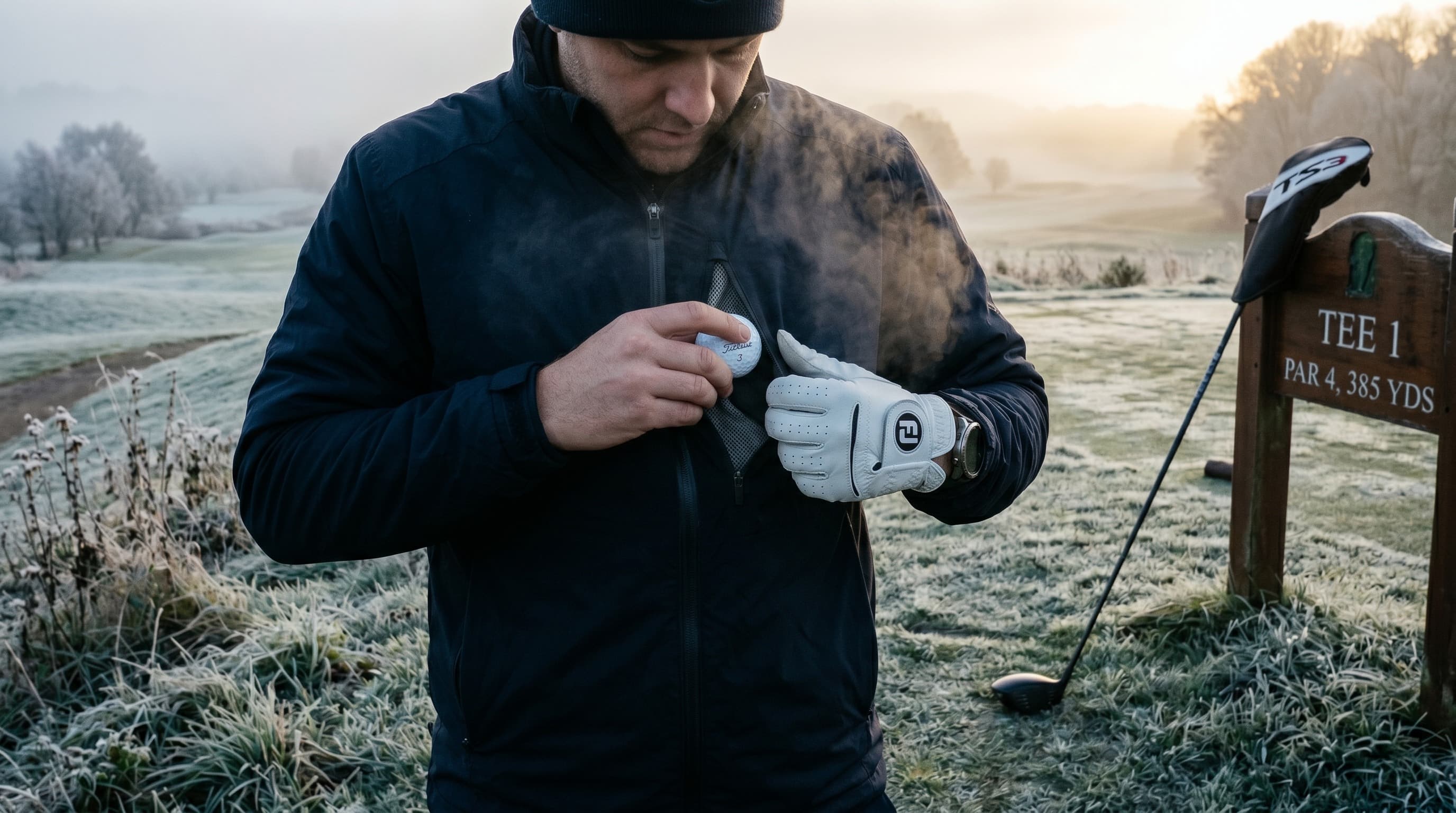
How Cold Weather Steals Distance: The Ball Compression Physics Every Golfer Should Know
Every 10°F drop costs the average golfer two to four yards of driver carry. Here is the physics — ball compression, air density, muscle temperature — and the field data we pulled from G-Score-monitored cold rounds to show exactly how distance loss compounds, and how to compensate without changing your swing.
Read Story
America's 20 Windiest Golf Courses: A G-Score Wind Analysis
We ranked America's 20 windiest golf courses using G-Score wind penalty data. See how coastal gusts and prairie gales reshape playability scores.
Read StoryMinSu Kim
Founder & Golf Data Analyst
MinSu is a data analyst and golfer with 10+ years on the course. He built Golf Weather Score to answer one question: is today a good day to play? He combines weather data, course intelligence, and the proprietary G-Score algorithm to help golfers make smarter decisions.
Every Friday Morning
When Apple Greens East plays best next weekend.
Friday 6am ET: peak G-Score windows for Apple Greens East, wind direction by hour, and one gear call. Three minutes to read, save you the round.
One email a week. Unsubscribe in one click.
The Caddie's Oracle
Draw your luck before the tee off