
Caddie's Gear Advisor
Curated for today's 104°F · Clear
Ultralight Distance Drivers
Maximum carry in hot, low-drag conditions
UV Protection Apparel
UPF 50+ cooling fabrics for peak-sun rounds
Precision Rangefinders
Slope-adjusted yardage in any condition
Hydration & Cooling
Insulated bottles and cooling towels
Your Golf Trip, Handled
The Ultimate Golf Trip Planner
Everything you need to play Arizona City Golf Course — from booking your flight to checking in course-side.
Course-Side Stays
Luxury hotels, resorts, and stay-and-play packages just minutes from the first tee.
Flights
Compare fares across 700+ airlines for the best route to your tee time.
SUV Rentals for Golf Bags
Spacious vehicles with room for clubs, bags, and your foursome.
Travel Insurance
Coverage for medical, weather delays, and gear at your destination.
Arizona City Golf Course: Course Intelligence
Signature Setup
I drove out past Eloy on a January morning, 8 a.m., 44°F and dead calm, the kind of low-desert stillness where you can hear your own divot land. Arizona City Golf Course sits in a planned retirement community in Pinal County, off I-10 between Casa Grande and Eloy, at roughly 1,500 feet — a flat, wide-open desert layout built for the snowbird crowd rather than the championship circuit.
It dates to the Arizona City community of the early-to-mid 1960s, when this stretch of desert was first platted as a master-planned town. I have not been able to confirm who actually routed the holes, so I won't dress it up with an architect's name it may not deserve. What it is: an honest, affordable 18, par 72, playing in the high-6,000-yard range from the back, with one irrigation lake and very little else between you and the horizon. The value here is sunshine, low rates, and reliable winter conditions — not slope-rating drama.
Hole-by-Hole Wind & Playing Lines
With almost no trees, wind is the entire defense on this course, and in Pinal County wind is a clock more than a hazard. Dawn is calm; a west-southwest valley thermal builds through the afternoon, commonly 10–18 mph by 2 p.m.
- The #1-handicap par-4 (~440y): It runs into that WSW push. Calm at sunrise it's a driver and a 7-iron; into a 15-mph afternoon breeze it's a driver and a 4-iron, and the firm green won't hold the long shot. Aim at the front edge and let it run on.
- The water par-4 on the front (~410y): The lone lake guards the tee shot. Downwind, big hitters can chase it; into the breeze, lay back to a comfortable full wedge rather than flirting with the water off the tee.
- A par-5 turning back toward the west: the quartering thermal makes the lay-up the smart play after midday. I'd rather wedge a third shot close than fight a downwind long iron into a flat, firm green that releases hard.
Green & Fairway Characteristics
The greens are flat to gently rolling — fair, readable, and forgiving compared to the elevated target greens you'll find up in Phoenix. Slope sits in the low-120s. Speed is moderate, somewhere around 9.5–10 on the Stimp once the winter overseed has matured. Breaks are subtle and tend to follow the gentle drainage rather than any mountain pull, so don't over-read them; I lost two early putts above the hole expecting more break than the surface gave.
Turf is the standard low-desert two-season pattern: common Bermuda through the brutal summer, overseeded with perennial ryegrass for the winter season when the course actually fills up. Fairways are generous and run firm, so a flat lie and a confident driver are rewarded — this is a course where you can swing freely.
Seasonal Weather Pattern
At ~1,500 feet, this is one of the hotter, drier golf markets in the state, and that defines the calendar completely. Winter (Dec–Feb) is the season: daytime highs near 66–70°F, mornings opening in the low-40s, and rain odds in the single digits. That's when the rye is in and the rates and the conditioning are at their best.
Summer is survival golf. June through August routinely runs 105–112°F, and the July–September monsoon brings sudden late-day thunderstorms, blowing dust, and lightning risk on this exposed, treeless ground. I haven't played here in July, and I won't pretend to know how the greens hold under that heat — but the low-desert rule is firm: from May on, only the first two hours of daylight are genuinely playable.
Local Play Tips
The practical edge is that this is a budget muni, not a resort, so it plays best as an early winter walk before anything else on your schedule. With no tree cover anywhere, there is no shade and no wind break — the course is fully at the mercy of the sky. Book the first or second tee time of the day in winter for calm air and cool temps; by the time a Phoenix course's thermal arrives, this open ground is already feeling it. And carry more water than you think you need even in February — the dry air here pulls it out of you faster than the temperature suggests.
Pre-Round Weather Workflow
Check the 7-day G-Score and windExposure panel the night before:
- G-Score 80+ with an early winter slot: ideal — calm air, soft overseed, attack the flat greens.
- Read the wind clock: if WSW wind is forecast past 12 mph before midday, club up on every approach and play to the front of these firm, run-out greens.
- Summer (May–Sept): treat any tee time after 8 a.m. as a heat round — lighten the bag, double the fluids, and expect the G-Score to collapse through the afternoon.
- Monsoon months: track the afternoon storm probability closely; on flat, treeless, fully exposed terrain like this, lightning is the single best reason to finish your round before noon.
Related Reading
Before you tee off at Arizona City Golf Course
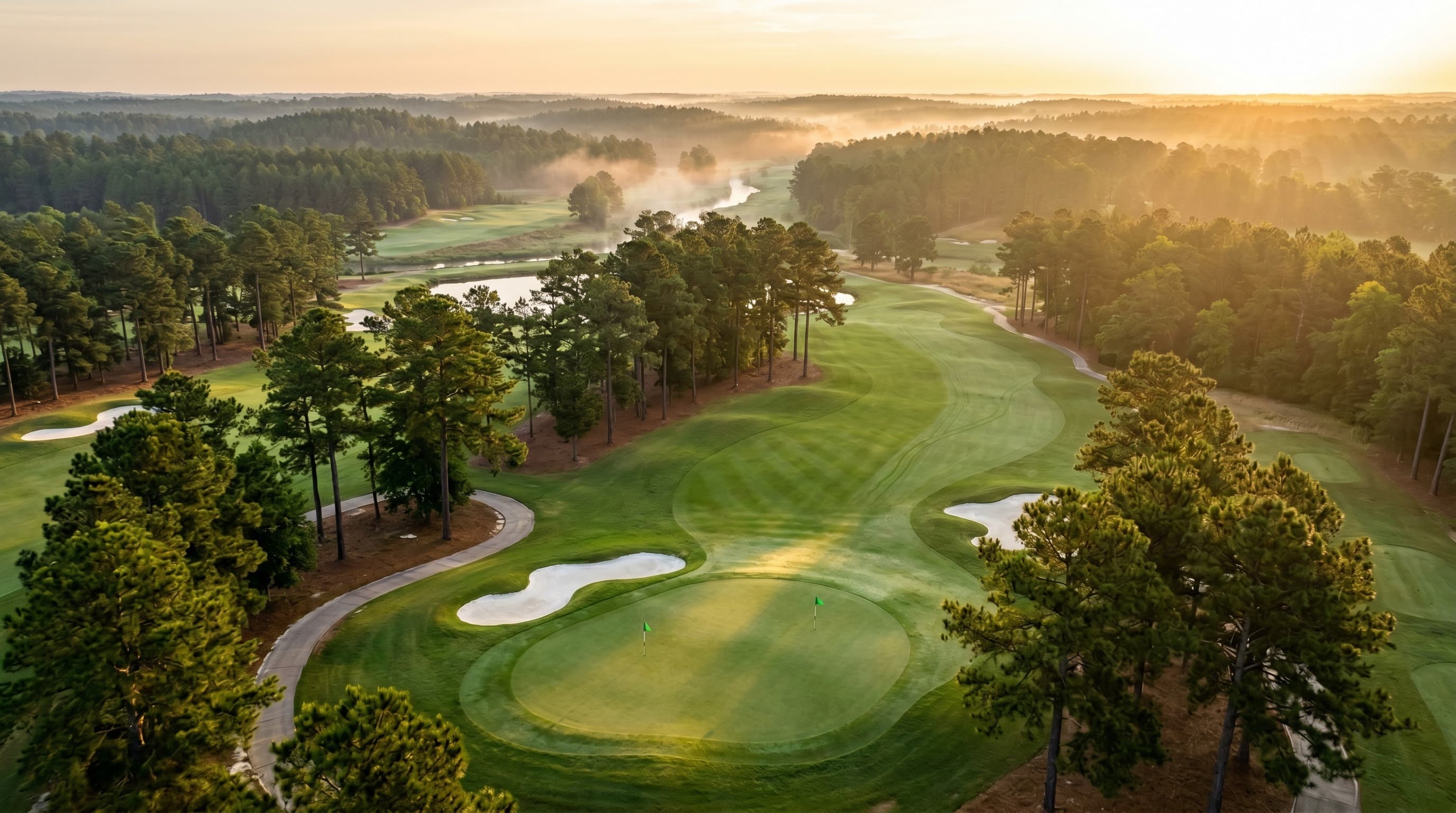
The May 2026 G-Score Heatmap: Where American Golf Peaks This Spring
May is the most underrated month on the American golf calendar. Five regions hit their annual peak this spring, three turn quietly hostile, and the data tells a clearer story than the brochures. Here is where to play, where to avoid, and how to time your booking window.
Read Story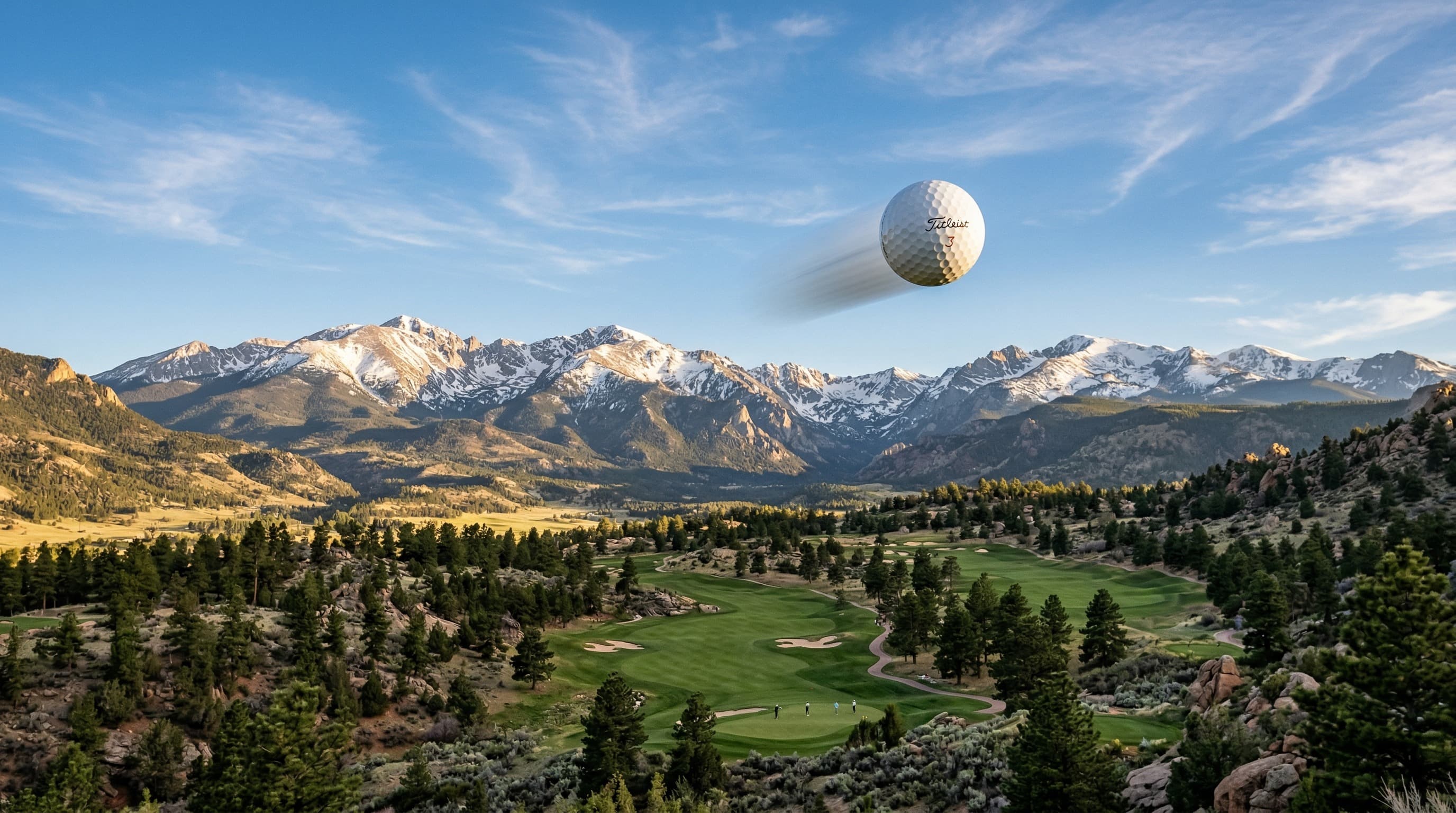
How Altitude Affects Golf Ball Distance: The Science Behind Every Extra Yard
At elevation, your golf ball flies farther than you expect. We break down exactly how altitude changes carry distance, spin rates, and club selection using real data from high-altitude courses across America.
Read StoryMinSu Kim
Founder & Golf Data Analyst
MinSu is a data analyst and golfer with 10+ years on the course. He built Golf Weather Score to answer one question: is today a good day to play? He combines weather data, course intelligence, and the proprietary G-Score algorithm to help golfers make smarter decisions.
Every Friday Morning
When Arizona City Golf Course plays best next weekend.
Friday 6am ET: peak G-Score windows for Arizona City Golf Course, wind direction by hour, and one gear call. Three minutes to read, save you the round.
One email a week. Unsubscribe in one click.
The Caddie's Oracle
Draw your luck before the tee off