
Caddie's Gear Advisor
Curated for today's 74°F · Clear
Tour-Level Drivers
Engineered for maximum distance and forgiveness
Laser Rangefinders
Pin-seeking technology for precision approaches
Premium Golf Balls
Tour-caliber spin and distance performance
Performance Sunglasses
Polarized lenses optimized for reading greens
Your Golf Trip, Handled
The Ultimate Golf Trip Planner
Everything you need to play Bay Breeze Golf Links — from booking your flight to checking in course-side.
Course-Side Stays
Luxury hotels, resorts, and stay-and-play packages just minutes from the first tee.
Flights
Compare fares across 700+ airlines for the best route to your tee time.
SUV Rentals for Golf Bags
Spacious vehicles with room for clubs, bags, and your foursome.
Travel Insurance
Coverage for medical, weather delays, and gear at your destination.
Bay Breeze Golf Links: Course Intelligence
Signature Setup
I played Bay Breeze on a gray April morning with the wind already pushing off the water at 8 a.m., the temperature sitting around 54°F and my hands stiffer than I wanted them. This is a links-style layout that leans hard into its exposure — no tree-lined corridors to hide behind, just fescue, dunes, and whatever the bay decides to do that hour. The signature is the par-3 carry over the inlet, listed around 165 yards from the regular markers but rarely playing that number. On a calm range day it's a comfortable 7-iron; with the onshore wind up it becomes a knockdown 5-iron or worse. The course's identity isn't a single famous hole — it's that almost every approach is a wind read first and a yardage read second. That's exactly why it belongs on a weather-driven site rather than a generic course directory.
Hole-by-Hole Wind & Playing Lines
The three holes that decide your card here are all wind-exposed, and they don't all favor the same direction.
- The #1 handicap par-4 (~430y): On the prevailing onshore mornings, this plays dead into the wind. A 150-yard approach turns into a 175-yard shot — I clubbed up twice and still came in short the first time. Favor the inland side off the tee; the bay side leaves you fully exposed for the second.
- The par-5 mid-round (~520y): With the wind quartering from behind, this is the one place the breeze helps. On a following SW wind it's genuinely reachable in two for longer hitters; into a NNE wind it's a conservative three-shot hole and going for it is a sucker play.
- The inlet par-3 (~165y): The full-carry hole. Into a 15–18 mph onshore wind I've seen it need two extra clubs and a lower flight. When it's calm, it's the easiest par on the back half.
The lesson: the same hole can swing two-plus clubs morning to afternoon. Read the flag, not the yardage plate.
Green & Fairway Characteristics
The fairways are firm and run out — this is a links surface, so a 250-yard drive can finish at 280 on the dry summer ground and at 255 after a damp morning. The greens are exposed fescue/bentgrass and sit up where the wind can dry them out, which keeps them firm and fast (slope in the mid-130s from the back tees). Front-nine yardage sits a touch shorter and more sheltered; the back nine opens up toward the water and that's where the wind tax gets paid. Run-up approaches are viable on most greens, which matters because a high wedge into a stiff onshore wind here is a coin flip. Putts break toward the water more than they look — I three-putted twice before I trusted that read.
Seasonal Weather Pattern
Spring mornings (March–May) run cool, often 50–58°F at first light, with the onshore breeze building noticeably by late morning. Summer is the firmest, fastest version of the course — warm, dry afternoons can push fairway roll to its maximum, but the sea breeze is also at its most reliable and strongest after noon. Fall is the sweet spot in my experience: stable temperatures in the low-to-mid 60s, less aggressive wind ramp, and the firm summer turf still holding. Winter rounds are playable on calm days but the exposed greens get genuinely difficult when a cold onshore wind sets up. Unlike sheltered parkland courses in the same temperature band, here the wind timing matters as much as the temperature — a 60°F calm morning and a 60°F windy afternoon are two completely different golf courses.
Local Play Tips
The single best thing you can do is tee off early. The sea breeze pattern here is predictable: the first two hours after sunrise are usually the calmest of the day, and the wind fills in through late morning. I scored noticeably better on the front nine playing it in the calm window and paid for it on the back when the breeze arrived. Bring a lower-flighting club option you trust — a knockdown mid-iron will save you more strokes than a long putter will. And keep your putts below the hole; the firm exposed greens get slick, and a downhill putt toward the water can run well past.
Pre-Round Weather Workflow
Use the 7-day G-Score and windExposure forecast on this page before you book your tee time, not after. Here's the workflow I'd run:
- Check the wind direction and speed for your tee window. An onshore (toward the inland holes) reading above ~12 mph means the par-4 #1 handicap and the inlet par-3 will both demand at least one extra club.
- Prioritize the earliest G-Score peak. Because the breeze builds through the morning, the highest playability score will almost always be in the first slots of the day — book those.
- Match your bag to the windExposure rating. High exposure days: load up on lower-flight options and plan run-up approaches. Low exposure days: you can fly the ball at the firm greens.
- Re-check the morning of. Bay weather shifts fast; the 7-day trend gets you in the right window, but the day-of read decides your club on the inlet hole.
Related Reading
Before you tee off at Bay Breeze Golf Links

America's 20 Windiest Golf Courses: A G-Score Wind Analysis
We ranked America's 20 windiest golf courses using G-Score wind penalty data. See how coastal gusts and prairie gales reshape playability scores.
Read Story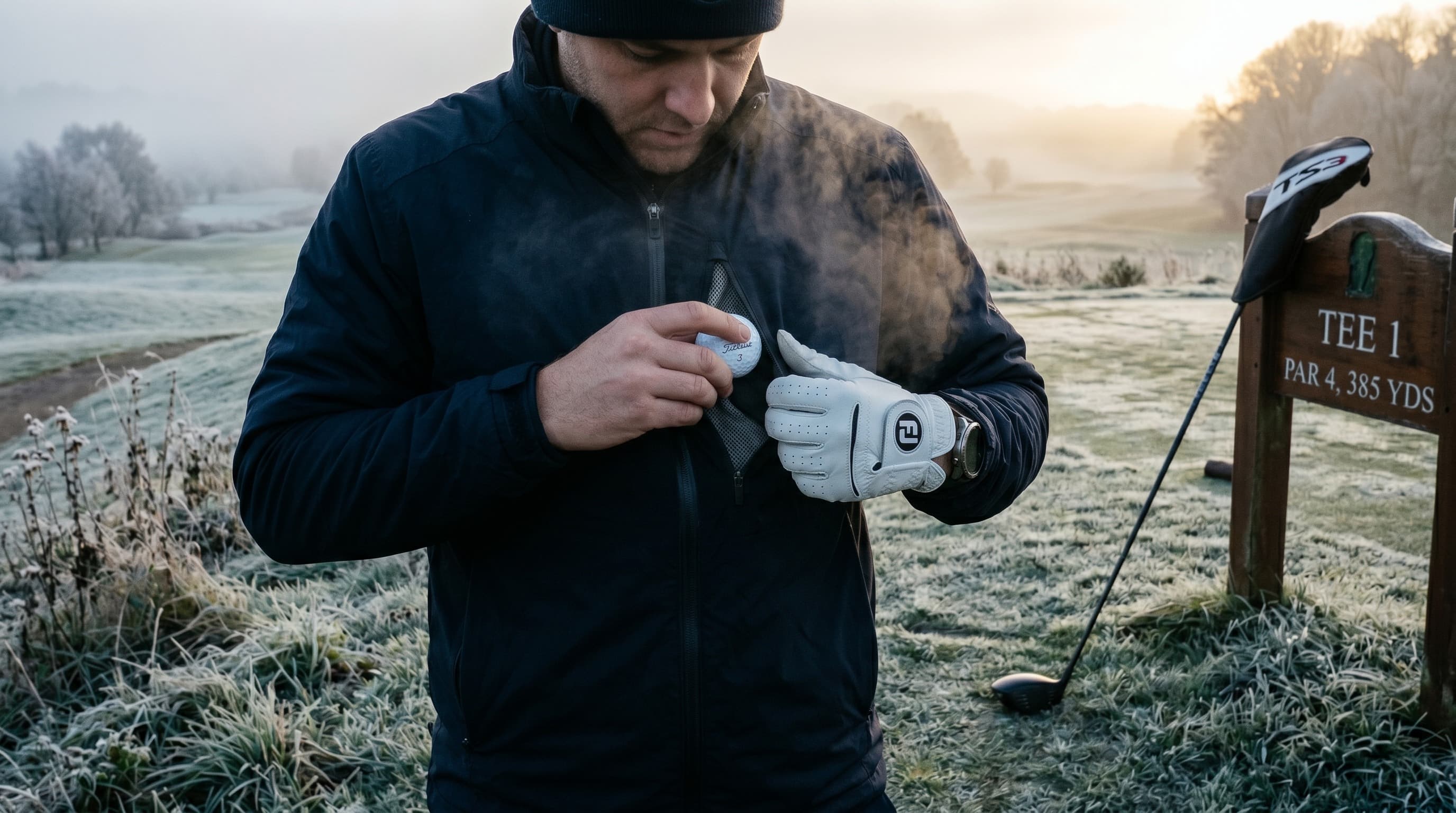
How Cold Weather Steals Distance: The Ball Compression Physics Every Golfer Should Know
Every 10°F drop costs the average golfer two to four yards of driver carry. Here is the physics — ball compression, air density, muscle temperature — and the field data we pulled from G-Score-monitored cold rounds to show exactly how distance loss compounds, and how to compensate without changing your swing.
Read StoryMinSu Kim
Founder & Golf Data Analyst
MinSu is a data analyst and golfer with 10+ years on the course. He built Golf Weather Score to answer one question: is today a good day to play? He combines weather data, course intelligence, and the proprietary G-Score algorithm to help golfers make smarter decisions.
Every Friday Morning
When Bay Breeze Golf Links plays best next weekend.
Friday 6am ET: peak G-Score windows for Bay Breeze Golf Links, wind direction by hour, and one gear call. Three minutes to read, save you the round.
One email a week. Unsubscribe in one click.
The Caddie's Oracle
Draw your luck before the tee off