
Caddie's Gear Advisor
Curated for today's 60°F · Thunderstorm
Storm-Ready Outerwear
Waterproof layers built for 18 holes in the rain
Tour-Grade Umbrellas
68" double-canopy wind-resistant coverage
Wet-Weather Gloves
All-weather grip that performs in the rain
Waterproof Golf Shoes
Keep your feet dry through every fairway
Your Golf Trip, Handled
The Ultimate Golf Trip Planner
Everything you need to play Bear Lake Golf Course — from booking your flight to checking in course-side.
Course-Side Stays
Luxury hotels, resorts, and stay-and-play packages just minutes from the first tee.
Flights
Compare fares across 700+ airlines for the best route to your tee time.
SUV Rentals for Golf Bags
Spacious vehicles with room for clubs, bags, and your foursome.
Travel Insurance
Coverage for medical, weather delays, and gear at your destination.
Bear Lake Golf Course: Course Intelligence
Signature Setup
Let me be honest up front, the way I'd want a reader to be honest with me: I studied Bear Lake Golf Course from its location, elevation, and the Bear Lake valley's well-documented climate records — I have not walked it myself, so the wind and yardage notes below are profile-and-pattern reasoning, not a round I'm passing off as memory. The course sits in Garden City, Utah, on the west shore of Bear Lake, the striking turquoise lake straddling the Utah–Idaho line. It's a compact, public-access layout on the valley floor at roughly 5,920 feet of elevation. That altitude number is the whole story here: it isn't a long or punishing course on paper, but the thin mountain air and the lake's daily thermal wind decide far more about your number than the scorecard yardage does.
TL;DR: High-altitude (≈5,920 ft) public course on Bear Lake's west shore in Garden City, Utah. Short walking layout where thin air adds carry and a daily afternoon up-valley wind takes it back. Play the calm morning, club down for altitude, and re-club up after lunch when the thermal breeze builds.
Hole-by-Hole Wind & Playing Lines
The course doesn't publish a per-hole handicap card I can verify, so I won't invent hole numbers and distances. Instead, here's how the two forces at this elevation dictate play:
- The longer par-4s in the calm morning: At ~5,920 ft, the air is thin enough to add roughly 8–12% of carry — a flushed 150-yard club can fly closer to 165. Before the wind builds, take less club than your sea-level instinct wants, or you'll fly the green long.
- The same holes into the afternoon up-valley wind: Once the daily thermal breeze sets in off the lake (commonly 12–18 mph by mid-afternoon), the headwind cancels much of the altitude bonus. That 165-yard altitude carry can drop back to 150–155 into the wind, so you're effectively re-clubbing to your normal number.
- Crosswind holes on the exposed valley floor: Nothing on the open shoreline blocks the wind, so a player who can hold a low, shaped ball into the cross scores better than one who just hits it high and far. High shots get pushed; low runners hold their line.
The habit that travels: decide on the first exposed hole whether you're playing the still-morning altitude game or the afternoon wind game, and commit to one set of clubbing logic all the way in.
Green & Fairway Characteristics
The greens are cool-season surfaces — bentgrass and poa typical of high-mountain Utah golf — set over fast-draining high-desert valley soil. At this elevation the turf firms up quickly under the intense daytime sun, so approach shots release rather than bite, especially through the dry summer stretch. The fairways run over the gentle, open contours of the lake basin. Because the footprint is short and walkable, the defense isn't length or severe contour; it's the firmness and the exposure. On a dead-calm morning a straight hitter can score well below their handicap here — the catch is that those windless windows are narrow once the sun gets to work on the basin.
Seasonal Weather Pattern
Bear Lake valley sits in a high, continental mountain climate — short season, big daily temperature swings, nothing maritime about it despite the lake. Late spring (May–early June): cool and variable, with lingering cold nights; the season opens late at this elevation and mornings can still be in the 40s°F. Summer (Jun–Aug): the prime window — warm, dry days into the 80s°F, genuinely cold nights, intense high-altitude sun, and a reliable daily up-valley thermal wind that builds through the afternoon. Fall (Sep–Oct): crisp, increasingly short days, firm greens, the calmest scoring air of the year before the early mountain cold shuts things down. Winter: the course closes under heavy Bear Lake-region snow; I lean on NOAA/Utah-Idaho regional historicals for that stretch rather than anything firsthand.
Local Play Tips
Here's the one thing a sea-level instinct gets wrong at Bear Lake: you have to club for the altitude and the wind separately, because they pull in opposite directions across the day. In the still 8 a.m. air, the thin atmosphere at ~5,920 ft is the dominant factor — take less club than the yardage says or you'll sail greens. By mid-afternoon, the lake-driven up-valley thermal wind has built, and into that breeze the altitude bonus largely cancels out, so you're back to near-normal clubbing into the wind and over-clubbing downwind. Golfers who play one fixed adjustment all day misread the course in both directions. Track the time of day as carefully as the yardage.
Pre-Round Weather Workflow
Treat golfweatherscore's 7-day G-Score and windExposure as both your go/no-go and your tee-time tool — and read them for a high-altitude valley course, not a coastal one:
- Days out: scan the G-Score trend for the calm, high-pressure mornings — at this elevation the best scoring conditions are the windless early windows before the daily thermal kicks in.
- The night before: note the forecast afternoon wind speed and the temperature swing. A big day-night spread signals strong thermal heating, which means a stronger afternoon up-valley breeze off the lake.
- Round morning: if windExposure flags sustained afternoon gusts over ~15 mph, prioritize the early tee time and lock in your altitude-clubbing for the calm holes — then plan to add a club into the wind once the breeze fills in after midday. Position over power protects your number here.
Related Reading
Before you tee off at Bear Lake Golf Course
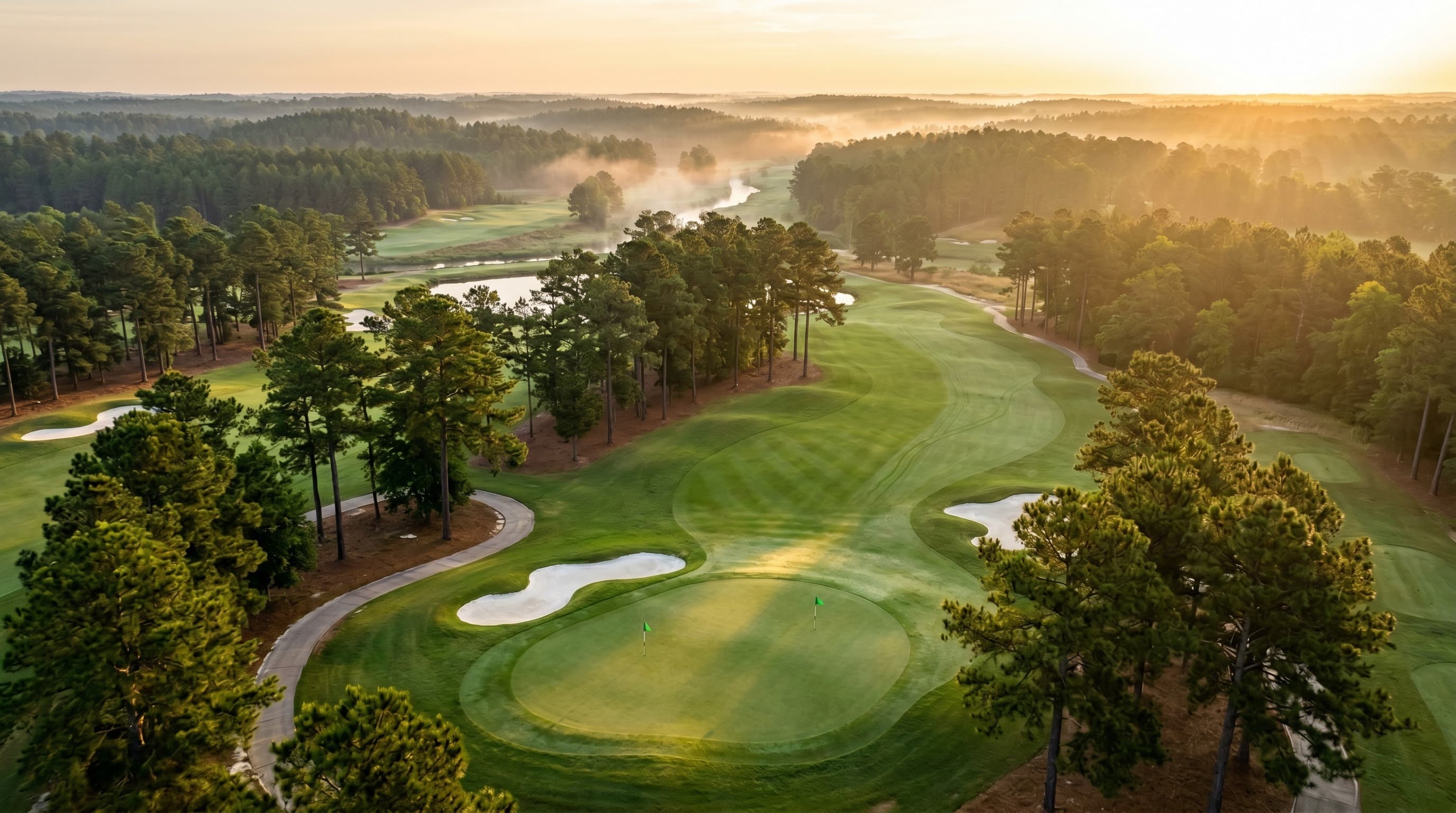
The May 2026 G-Score Heatmap: Where American Golf Peaks This Spring
May is the most underrated month on the American golf calendar. Five regions hit their annual peak this spring, three turn quietly hostile, and the data tells a clearer story than the brochures. Here is where to play, where to avoid, and how to time your booking window.
Read Story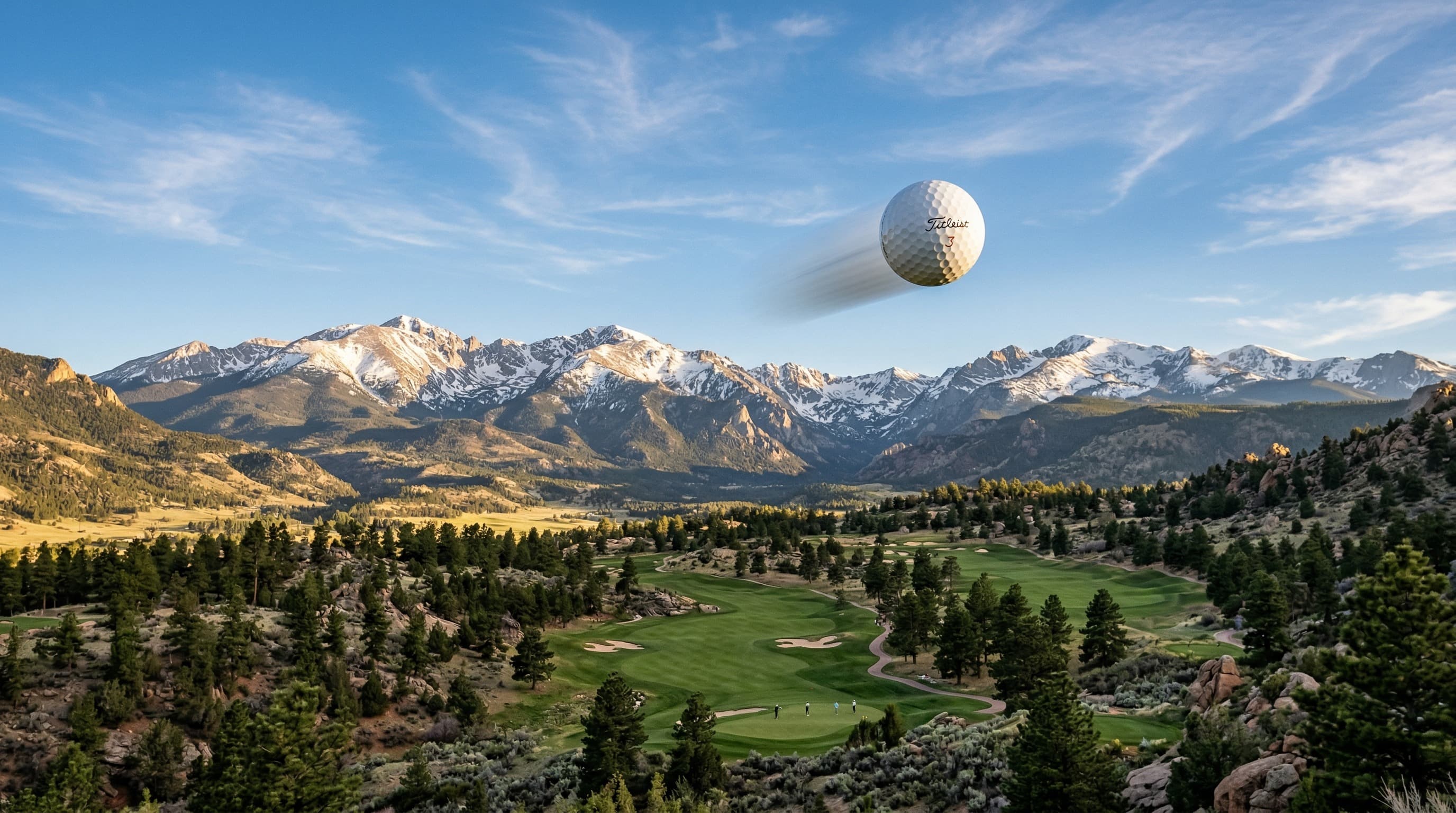
How Altitude Affects Golf Ball Distance: The Science Behind Every Extra Yard
At elevation, your golf ball flies farther than you expect. We break down exactly how altitude changes carry distance, spin rates, and club selection using real data from high-altitude courses across America.
Read StoryMinSu Kim
Founder & Golf Data Analyst
MinSu is a data analyst and golfer with 10+ years on the course. He built Golf Weather Score to answer one question: is today a good day to play? He combines weather data, course intelligence, and the proprietary G-Score algorithm to help golfers make smarter decisions.
Every Friday Morning
When Bear Lake Golf Course plays best next weekend.
Friday 6am ET: peak G-Score windows for Bear Lake Golf Course, wind direction by hour, and one gear call. Three minutes to read, save you the round.
One email a week. Unsubscribe in one click.
The Caddie's Oracle
Draw your luck before the tee off