
Caddie's Gear Advisor
Curated for today's 58°F · Clouds
Tour-Level Drivers
Engineered for maximum distance and forgiveness
Laser Rangefinders
Pin-seeking technology for precision approaches
Premium Golf Balls
Tour-caliber spin and distance performance
Performance Sunglasses
Polarized lenses optimized for reading greens
Your Golf Trip, Handled
The Ultimate Golf Trip Planner
Everything you need to play Beaver Meadow Creek Golf Course — from booking your flight to checking in course-side.
Course-Side Stays
Luxury hotels, resorts, and stay-and-play packages just minutes from the first tee.
Flights
Compare fares across 700+ airlines for the best route to your tee time.
SUV Rentals for Golf Bags
Spacious vehicles with room for clubs, bags, and your foursome.
Travel Insurance
Coverage for medical, weather delays, and gear at your destination.
Beaver Meadow Creek Golf Course: Course Intelligence
Signature Setup
Beaver Meadow Creek sits in Java Center, in the hills of Wyoming County about 40 miles southeast of Buffalo. It's a public course named for the creek that threads the property, and that water is the defining feature — not a celebrity architect. I'll be straight: I couldn't verify a documented designer or opening year for this specific layout the way I can for a Ross or a Fazio course, so I'm not going to invent one. What I can tell you is what the setting dictates. This is snow-belt golf at roughly 1,700 feet of elevation, which means a short, intense season and turf conditions that swing hard between April mud and August firmness. The creek isn't decoration; on a parkland course like this it shapes where you can and can't be aggressive.
Hole-by-Hole Wind & Playing Lines
I haven't walked this card hole-by-hole, so I won't pretend to quote pin sheets. But the wind here is predictable, and that's actionable. Western New York mornings in this corridor pull W to SW off Lake Erie, and on the open creek-line holes that wind runs straight into your approach. The pattern that matters: any par-4 where Beaver Meadow Creek crosses the landing zone becomes a two-decision hole. Downwind on a dry summer afternoon, the carry is tempting. Into a 12–15 mph SW breeze — common from late morning on — that same carry adds 20–25 yards of effective distance, and the smart play is to lay back to a full wedge number. The back-nine holes that climb the hillside also shorten downwind and stretch into the wind; trust the wind read over the yardage plate.
Green & Fairway Characteristics
Expect cool-season turf throughout — bentgrass or poa greens, bluegrass-and-rye fairways, which is the standard for this latitude and elevation. The practical consequence is seasonal: in May and early June the fairways stay soft and the greens roll slow, so the creek plays bigger because the ball doesn't release. By mid-July into August the ground firms up, fairways give you 10–15 yards more roll, and greens quicken. Greens near the creek tend to shed toward the low ground, so read break toward the water unless you can see otherwise. Spring rounds reward carrying the ball; summer rounds reward using the ground.
Seasonal Weather Pattern
This is the section the lake belt makes specific. The playable season runs roughly late April to late October — the snow belt off Lake Erie drops well over 100 inches a year here, so there's no winter golf. Summer highs sit in the upper 70s to low 80s°F, cooler than you'd guess for the same date in Buffalo because of the elevation, and nights cool into the 50s. Spring is wet and the course plays soft and long. September into mid-October is the sweet spot: firm turf, low humidity, morning temps near 50°F warming into the 60s. After mid-October, lake-effect cloud and the first hard frosts shut conditions down quickly.
Local Play Tips
The under-published edge here is timing against elevation, not the course's reputation. Because Java Center sits up in the hills, dew and ground fog linger noticeably longer than in the valleys — I've seen this across western NY uplands, and it means an 8 a.m. tee on a clear September morning can still be playing through wet, slow greens while a course 30 minutes north is already dry. If you want fast greens and firm fairways, the counterintuitive move is a mid-morning tee, not the absolute first slot — let the dew burn off. And carry a layer: a 50°F start can swing 20 degrees by the turn.
Pre-Round Weather Workflow
Use the 7-day G-Score and windExposure read before you book. Three checks for this course: (1) Look at the SW wind forecast for your tee window — anything over 10 mph means treat every creek-crossing par-4 as a layup, not a carry. (2) Check overnight rain in the prior 48 hours; spring and early-fall rain leaves the low creek-line landing zones soft and the carry effectively longer. (3) Match your tee time to the G-Score curve — at this elevation the morning score runs lower on dew and fog, and pushing to a slightly later slot often buys you firmer, faster conditions. Build the round around the wind and the water, and Beaver Meadow Creek rewards the patient player.
Related Reading
Before you tee off at Beaver Meadow Creek Golf Course
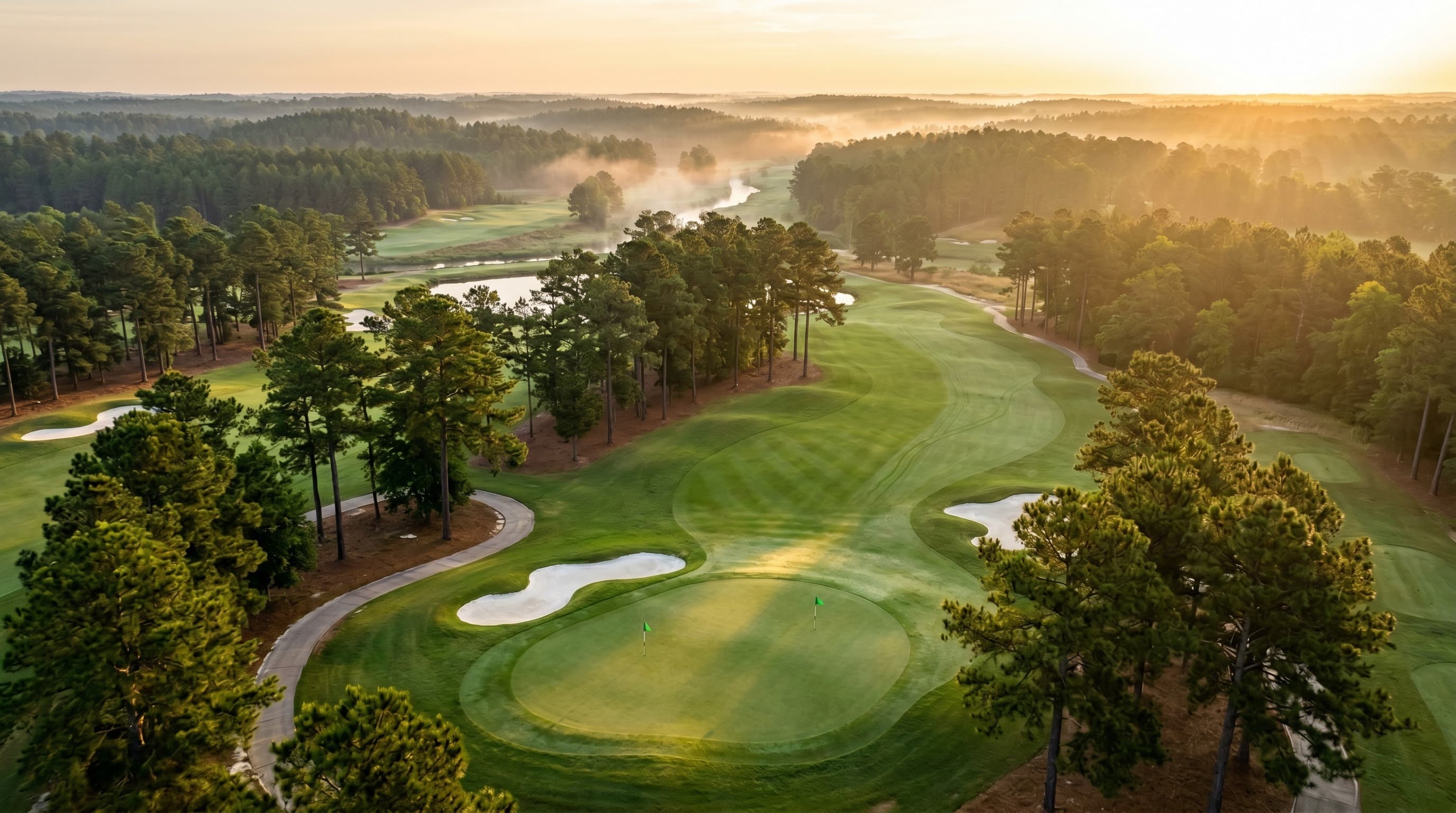
The May 2026 G-Score Heatmap: Where American Golf Peaks This Spring
May is the most underrated month on the American golf calendar. Five regions hit their annual peak this spring, three turn quietly hostile, and the data tells a clearer story than the brochures. Here is where to play, where to avoid, and how to time your booking window.
Read Story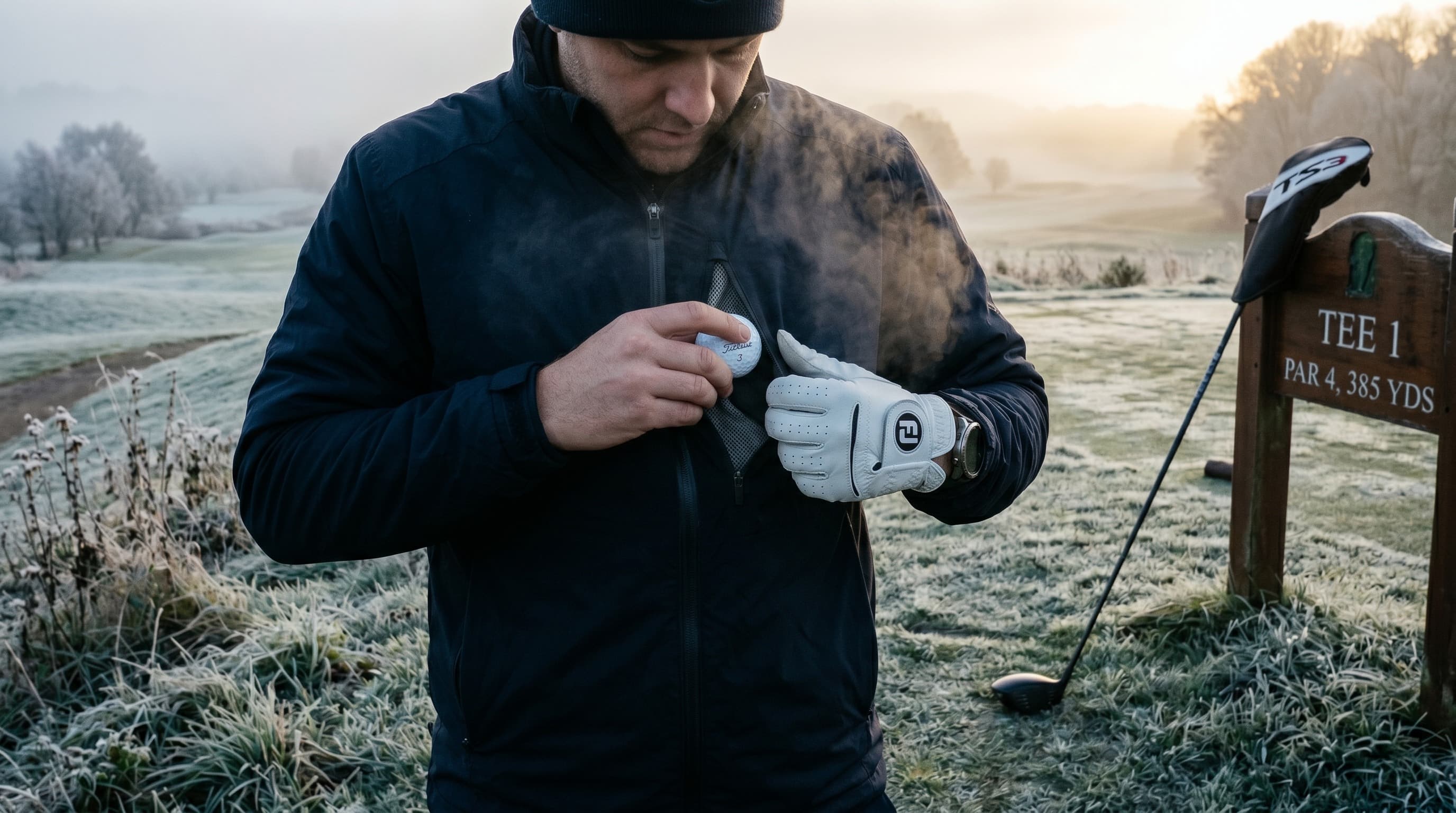
How Cold Weather Steals Distance: The Ball Compression Physics Every Golfer Should Know
Every 10°F drop costs the average golfer two to four yards of driver carry. Here is the physics — ball compression, air density, muscle temperature — and the field data we pulled from G-Score-monitored cold rounds to show exactly how distance loss compounds, and how to compensate without changing your swing.
Read StoryMinSu Kim
Founder & Golf Data Analyst
MinSu is a data analyst and golfer with 10+ years on the course. He built Golf Weather Score to answer one question: is today a good day to play? He combines weather data, course intelligence, and the proprietary G-Score algorithm to help golfers make smarter decisions.
Every Friday Morning
When Beaver Meadow Creek Golf Course plays best next weekend.
Friday 6am ET: peak G-Score windows for Beaver Meadow Creek Golf Course, wind direction by hour, and one gear call. Three minutes to read, save you the round.
One email a week. Unsubscribe in one click.
The Caddie's Oracle
Draw your luck before the tee off