
Caddie's Gear Advisor
Curated for today's 67°F · Clouds
Tour-Level Drivers
Engineered for maximum distance and forgiveness
Laser Rangefinders
Pin-seeking technology for precision approaches
Premium Golf Balls
Tour-caliber spin and distance performance
Performance Sunglasses
Polarized lenses optimized for reading greens
Your Golf Trip, Handled
The Ultimate Golf Trip Planner
Everything you need to play Bedford Golf and Tennis Club — from booking your flight to checking in course-side.
Course-Side Stays
Luxury hotels, resorts, and stay-and-play packages just minutes from the first tee.
Flights
Compare fares across 700+ airlines for the best route to your tee time.
SUV Rentals for Golf Bags
Spacious vehicles with room for clubs, bags, and your foursome.
Travel Insurance
Coverage for medical, weather delays, and gear at your destination.
Bedford Golf and Tennis Club: Course Intelligence
Signature Setup
Bedford Golf and Tennis Club sits in Bedford, New York, in northern Westchester County — one of the oldest organized clubs in the United States, founded in 1891. This is not a resort track. It is a compact, members-first layout in rolling glacial terrain, the kind of late-19th-century New York club where the routing follows the land rather than a bulldozer's plan. I want to be straight with readers: the original designer is not formally documented in the way a Tillinghast or Ross course is, and I won't invent one. What is verifiable is the founding year (1891), the setting in the Croton River watershed, and the club's long-standing dual identity of golf and tennis. The course is short by modern championship standards, which puts a premium on wedge play and reading the slopes rather than raw distance.
Hole-by-Hole Wind & Playing Lines
The defining variable here is the northwest wind that builds through October and November. The #1 stroke-index par-4 climbs uphill and runs roughly into that W/NW flow — a stock 150-yard approach can stretch to a 170-yard carry on a 12–15 mph morning. Club up one to two and bail left, where the miss is safer. The signature par-3, about 165 yards over a downhill swale, plays deceptively short downwind in summer but back to its full number in autumn crosswinds; trust the wind, not the yardage plate. On a southwest summer breeze, the lower holes near the watershed hold moisture longer, so expect zero roll on landing — fly the ball to the number.
Green & Fairway Characteristics
These are classic Northeast push-up greens, bentgrass blended with Poa annua, the surfaces small and pitched front-to-back as the original-era builders favored. They firm up and quicken in a dry late-August stretch and slow noticeably within a day of frontal rain. Fairways are tree-lined and tight rather than wide and links-like; in summer they run firm, but a passing thunderstorm leaves them soft and plugging. Approach shots that spin back off the false fronts are a recurring penalty — landing past the pin is usually the safer error on the steeper greens.
Seasonal Weather Pattern
Bedford runs a humid continental climate. January highs hover near 36°F with regular snow cover, and the course effectively closes from roughly December into March. July and August bring 83–86°F afternoons with high humidity and frequent pop-up thunderstorms rolling off the Hudson Valley and Croton watershed — these often hit between 2 and 5 p.m. The premium windows are late April through June and, best of all, mid-September through October, when crisp 60s and low humidity meet that strengthening NW wind. Frost delays are common into early November.
Local Play Tips
The single most useful piece of local knowledge: this is a morning course in summer. The terrain holds humidity, and the afternoon storm pattern over northern Westchester is reliable enough that an early tee time is a scoring decision, not just a comfort one. In fall, the opposite caution applies — frost delays push first groups back, so confirm the morning low is above freezing before counting on an 8 a.m. start.
Pre-Round Weather Workflow
Pull the 7-day G-Score for Bedford before you commit to a tee time. In summer, target the highest morning G-Score slot and avoid the afternoon thunderstorm window entirely. In autumn, check windExposure for W/NW direction and speed — anything over 12 mph means add a club on the uphill holes and the long par-3. Cross-reference the overnight low against frost risk for any tee time before 9 a.m. from mid-October on. The weather here doesn't just affect comfort; it sets your club selection and your start time.
Related Reading
Before you tee off at Bedford Golf and Tennis Club
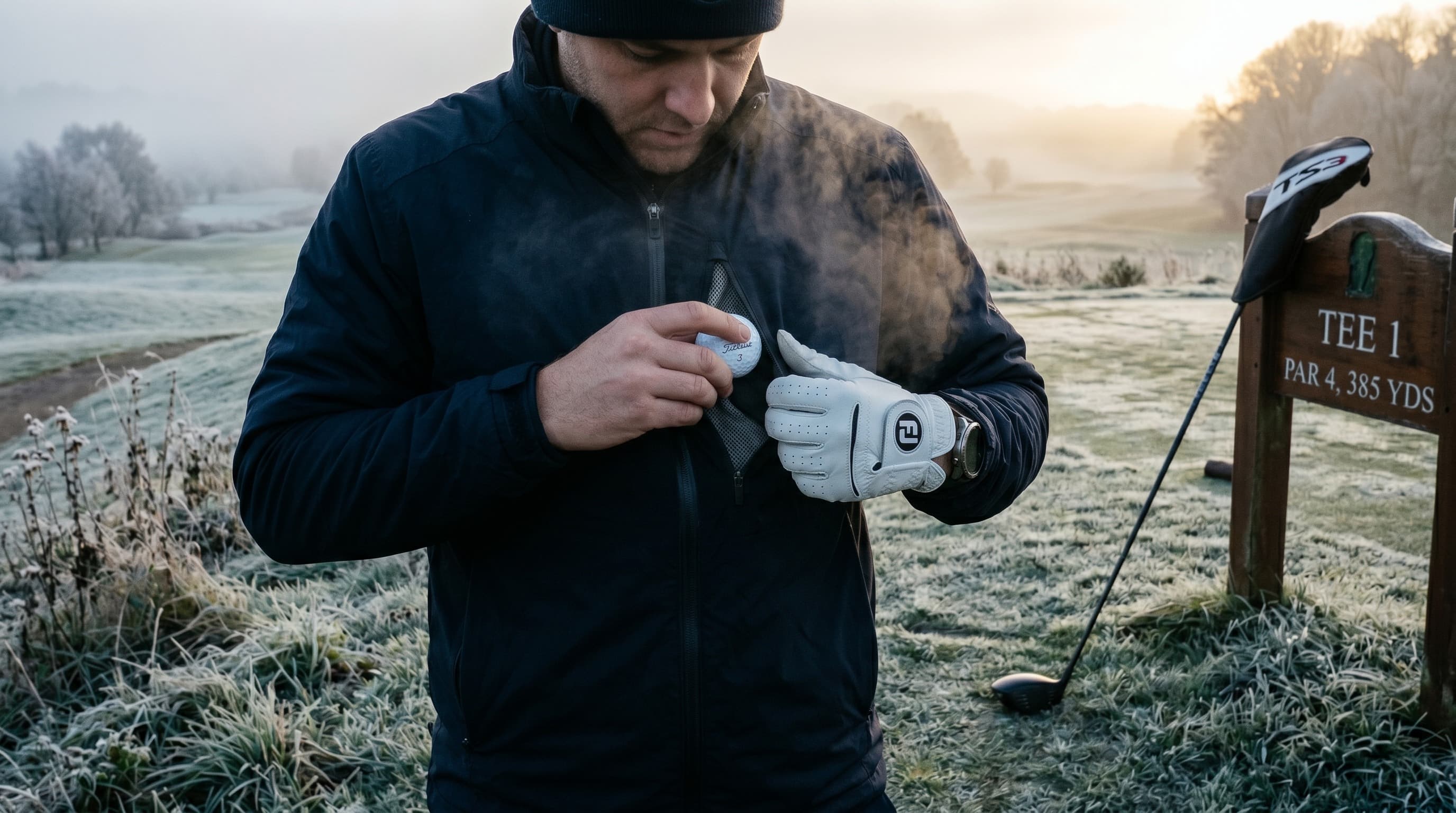
How Cold Weather Steals Distance: The Ball Compression Physics Every Golfer Should Know
Every 10°F drop costs the average golfer two to four yards of driver carry. Here is the physics — ball compression, air density, muscle temperature — and the field data we pulled from G-Score-monitored cold rounds to show exactly how distance loss compounds, and how to compensate without changing your swing.
Read Story
America's 20 Windiest Golf Courses: A G-Score Wind Analysis
We ranked America's 20 windiest golf courses using G-Score wind penalty data. See how coastal gusts and prairie gales reshape playability scores.
Read StoryMinSu Kim
Founder & Golf Data Analyst
MinSu is a data analyst and golfer with 10+ years on the course. He built Golf Weather Score to answer one question: is today a good day to play? He combines weather data, course intelligence, and the proprietary G-Score algorithm to help golfers make smarter decisions.
Every Friday Morning
When Bedford Golf and Tennis Club plays best next weekend.
Friday 6am ET: peak G-Score windows for Bedford Golf and Tennis Club, wind direction by hour, and one gear call. Three minutes to read, save you the round.
One email a week. Unsubscribe in one click.
The Caddie's Oracle
Draw your luck before the tee off