
Caddie's Gear Advisor
Curated for today's 90°F · Thunderstorm
Storm-Ready Outerwear
Waterproof layers built for 18 holes in the rain
Tour-Grade Umbrellas
68" double-canopy wind-resistant coverage
Wet-Weather Gloves
All-weather grip that performs in the rain
Waterproof Golf Shoes
Keep your feet dry through every fairway
Your Golf Trip, Handled
The Ultimate Golf Trip Planner
Everything you need to play Black Canyon Golf Course — from booking your flight to checking in course-side.
Course-Side Stays
Luxury hotels, resorts, and stay-and-play packages just minutes from the first tee.
Flights
Compare fares across 700+ airlines for the best route to your tee time.
SUV Rentals for Golf Bags
Spacious vehicles with room for clubs, bags, and your foursome.
Travel Insurance
Coverage for medical, weather delays, and gear at your destination.
Black Canyon Golf Course: Course Intelligence
Signature Setup
The first thing the Uncompahgre Valley tells you is that the air is thin. I haven't walked Black Canyon's back nine myself, so I'm leaning on the scorecard and the City of Montrose records here — but I've teed off enough 5,800-foot Western Slope mornings to know the 200-yard 9th won't actually play 200.
Black Canyon opened in 1959 and is the oldest course in Montrose, run as a municipal by the City off 1350 Birch St. What makes it worth a story is that it's two courses stitched together. The front nine is a par-34, tree-lined park layout by Joe Francese. The back nine is a par-36 links design by Byron Coker — deeper bunkers, longer fairways, far more exposed. Men play it to a par 70 (Blue: 6,174 yards, slope 120, CR 68.2); women play par 72 off the same Blue markers at a much stiffer slope 140 / CR 74.6. The 200-yard par-3 9th, closing out the sheltered front side, is the hole I'd point a first-timer toward.
Hole-by-Hole Wind & Playing Lines
By the men's Blue handicap index, the three holes that decide your card are all par-4s. Hole 8 (408y, #1 handicap) and Hole 5 (429y, #3) sit on the tree-lined front, where the wind is mostly blocked but the length is real. Hole 17 (349y, #2) is back on the open links stretch, fully exposed.
The wind pattern that matters: afternoon thermal flow funnels up-valley from the northwest off the Uncompahgre. I'd verify the prevailing bearing against the Montrose NOAA station before betting on it, but the practical effect is consistent — the back-nine links holes (10 through 18) firm up into a head/cross wind after about 1 p.m., while the front stays calmer behind its trees. On Hole 8 into that breeze, the altitude lies to you: it says 8-iron, the wind says 6-iron. Trust the wind.
Green & Fairway Characteristics
The two nines ask for two different bags. Front nine: tight, tree-framed corridors where position off the tee beats power — Hole 5's 429 yards is the only stretch that demands a full driver. Back nine: open links turf, longer carries, and the deep bunkering Coker built in. The two par-5s live here — the 494-yard 14th and the 544-yard 16th (the longest hole on the property, #2 handicap for women). Greens are bentgrass/poa, and at this elevation in dry summer they run firm and release; plan to land short and let approaches chase up rather than spinning back.
Seasonal Weather Pattern
Montrose is high desert — semi-arid, roughly 5,800 feet, with a brutal diurnal swing. April mornings can sit near freezing while afternoons climb 40°F warmer. July afternoons run into the low 90s°F with single-digit humidity, which bakes the fairways hard and adds roll. The season runs roughly March into November. The constant is the split between a still, cold morning and a windy, hot afternoon — which is exactly why tee time, not handicap, is your biggest scoring variable here.
Local Play Tips
The detail you won't find on a scorecard: treat this as two rounds. Club down for altitude everywhere (roughly 7–10% extra carry at 5,800 ft), but re-add a club or two the moment you make the turn to Coker's exposed back nine, because that's where the up-valley wind finds you. On the firm summer greens, the miss is long — favor the front edge.
Pre-Round Weather Workflow
Use the 7-day G-Score panel above and watch two signals for Black Canyon. First, tee-time: a morning slot will read 8–12 G-Score points higher than an afternoon one on the same day, purely from the dead-calm front-nine air. Second, windExposure: when it flags moderate-plus, add a club on holes 10–18 and aim for the fat side of the firm greens. Book the earliest tee you can — the course you play before noon is a different, gentler course than the one the wind hands you after lunch.
Related Reading
Before you tee off at Black Canyon Golf Course
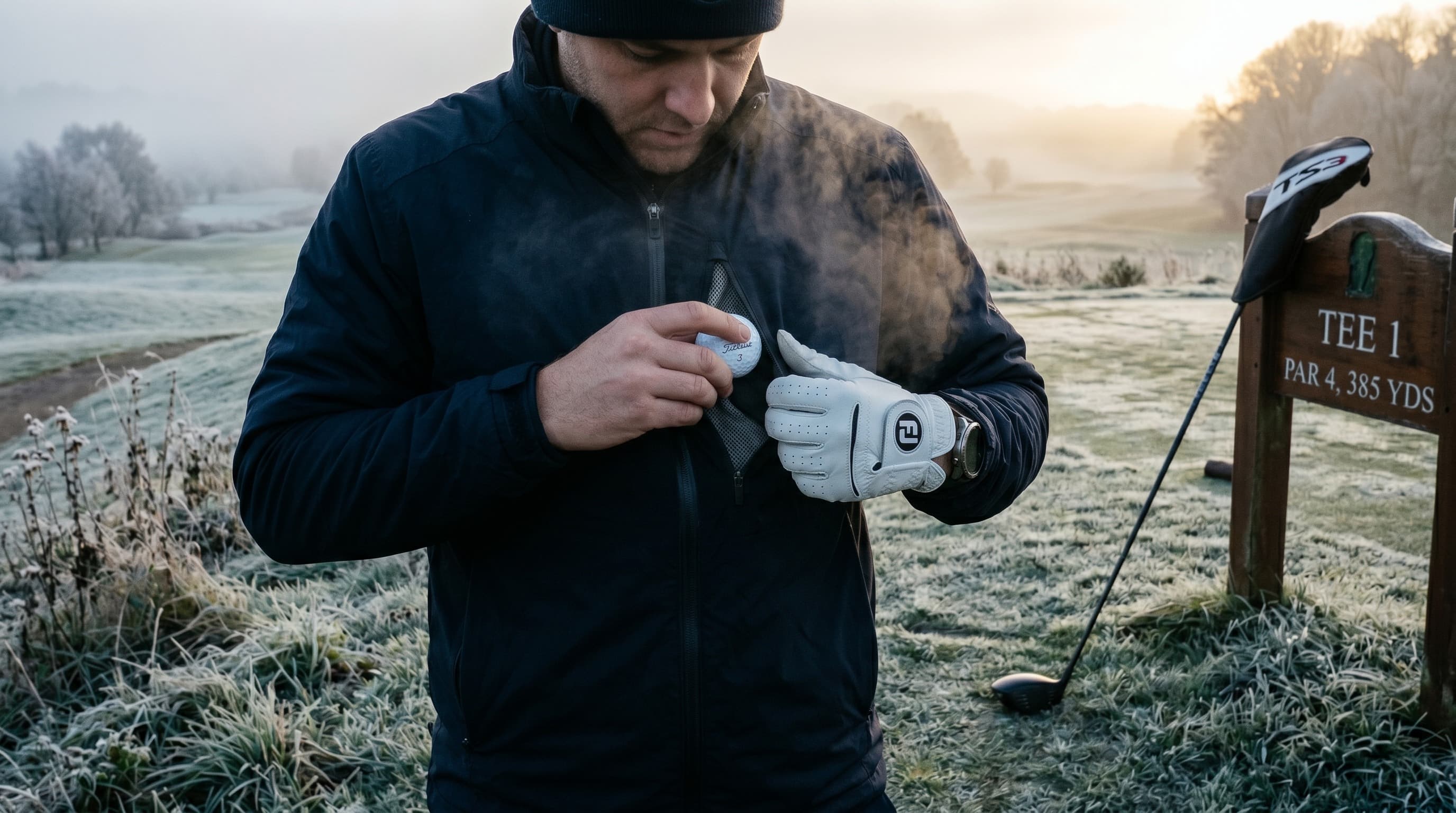
How Cold Weather Steals Distance: The Ball Compression Physics Every Golfer Should Know
Every 10°F drop costs the average golfer two to four yards of driver carry. Here is the physics — ball compression, air density, muscle temperature — and the field data we pulled from G-Score-monitored cold rounds to show exactly how distance loss compounds, and how to compensate without changing your swing.
Read Story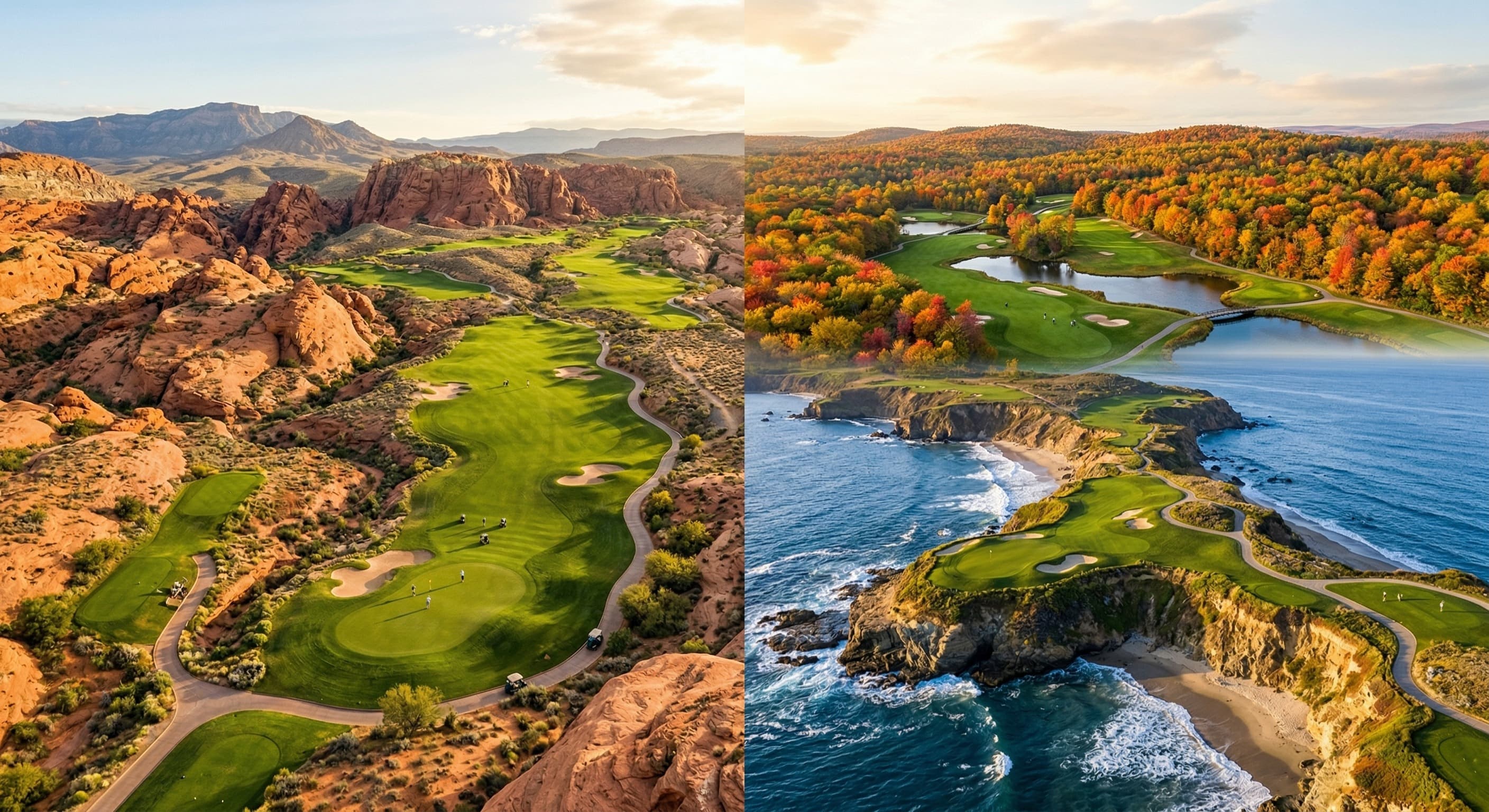
Best Golf Weather by State: Ranking America by Average G-Score
We ranked all 50 US states by average G-Score golf playability. California tops the list, but the results beyond the top five may surprise you.
Read StoryMinSu Kim
Founder & Golf Data Analyst
MinSu is a data analyst and golfer with 10+ years on the course. He built Golf Weather Score to answer one question: is today a good day to play? He combines weather data, course intelligence, and the proprietary G-Score algorithm to help golfers make smarter decisions.
Every Friday Morning
When Black Canyon Golf Course plays best next weekend.
Friday 6am ET: peak G-Score windows for Black Canyon Golf Course, wind direction by hour, and one gear call. Three minutes to read, save you the round.
One email a week. Unsubscribe in one click.
The Caddie's Oracle
Draw your luck before the tee off