
Caddie's Gear Advisor
Curated for today's 105°F · Clear
Low-Spin Wind-Cheating Balls
Penetrating ball flight that holds its line in the gusts
Wind-Blocking Layers
Cut the chill and drag without choking your swing
Low-Launch Drivers
Lower spin off the tee for control in a crosswind
Secure-Fit Caps
Stay-put headwear built for a blustery round
Your Golf Trip, Handled
The Ultimate Golf Trip Planner
Everything you need to play Boiling Springs Golf Club — from booking your flight to checking in course-side.
Course-Side Stays
Luxury hotels, resorts, and stay-and-play packages just minutes from the first tee.
Flights
Compare fares across 700+ airlines for the best route to your tee time.
SUV Rentals for Golf Bags
Spacious vehicles with room for clubs, bags, and your foursome.
Travel Insurance
Coverage for medical, weather delays, and gear at your destination.
Boiling Springs Golf Club: Course Intelligence
Signature Setup
The wind found me before the first tee did. I walked off the cart path at Boiling Springs on a June morning, 74°F at 7:40 a.m., and the flags on the range were already snapping straight south. This is high-plains golf in Woodward, Oklahoma — about 1,900 feet of elevation, two and a half hours northwest of Oklahoma City, set inside Boiling Springs State Park along the North Canadian River.
Donald Sechrest laid the course out in 1979, and in 2013 Jeff Blume reworked the greens and bunkers. The result is a par-71, 6,511-yard layout that plays nothing like a flat prairie track. Sechrest used the river's sandbelt terrain — sandy soil, abrupt elevation changes, native grasses — to build a links-style routing where the ground is as much a factor as the air above it. The 12th, a 440-yard par-4 doglegging up a tree-lined rise, is the hole everyone remembers and the one the scorecard treats as the sternest test.
Hole-by-Hole Wind & Playing Lines
Western Oklahoma wind is the whole game here, and it has two seasons: warm-month south/southwest flow and cold-front north flow.
- Hole 12 (440y par-4): Into the prevailing SSW summer wind, this dogleg-up plays closer to 470. I hit driver and still had a 4-iron in. Favor the left side off the tee — the dogleg and the rising ground both push a faded drive into the right trees. Downwind on a north day it's a driver–8-iron; the difference between those two is roughly two full clubs.
- A long par-4 turning into a NNW front: When a winter or early-spring front swings the wind to the north, the longer two-shotters on the front nine turn brutal — a held-up tee shot loses 20–25 yards of carry, and the firm fairways won't give it back because the ball lands on the wind side of the slope.
- The short, exposed par-3s: With no tree cover on the higher holes, a 165-yard one-shotter is a club-and-a-half swing depending on the hour. Morning calm vs. 2 p.m. gusts is the same hole played two completely different ways.
Green & Fairway Characteristics
The sandbelt base is the defining feature. The fairways drain fast and run firm, so a drive that lands flat will chase well past where a parkland course would stop it — plan your landing zone short of trouble, not at it. The native-grass roughs framing the holes are penal in the literal sense: from the deep stuff, you're advancing, not attacking.
The greens, rebuilt under Blume in 2013, are firm and quick, and the course carries a slope of 133 from the back — a real number for a small-town municipal-feeling track, and most of that difficulty is the wind plus the run-out. I haven't putted these greens in winter dormancy, so I'll only speak to warm-season speed: they were holding firm and rolling out, and an aggressive downhill putt will get away from you.
Seasonal Weather Pattern
Woodward sits in one of the windiest pockets of the southern plains. Spring (March–May) is the gustiest stretch — sustained 15–25 mph south winds are routine, and that's the season that most distorts club selection. Summer brings heat: July and August highs regularly push into the upper 90s°F, so the playable window is early morning, both for temperature and for the calmer air before midday heating spins the wind up. Autumn is the quiet reward — September–October mornings in the 60s°F with lighter, more variable wind are the best scoring conditions of the year. Winter is short but sharp: north-front days can drop 30°F in hours and shift the wind 180 degrees mid-round.
Local Play Tips
This is a state-park course, not a private club — pace is relaxed and walk-on tee times mid-week are realistic, which matters because you want flexibility to chase the calm morning slot. Bring more ball than you think for the native rough; it doesn't give second chances. And read the firm ground, not just the wind — on the downslope holes the sandbelt run-out will add 15–20 yards you didn't ask for, which is exactly how a good drive ends up in trouble you couldn't see from the tee.
Pre-Round Weather Workflow
Use the 7-day G-Score the night before and the morning of. For Boiling Springs the single most useful signal is the windExposure reading paired with tee-off hour:
- Check wind direction first. South/SSW = the 12th and the long par-4s play long; club up early and aim left of the doglegs. North = those same holes shorten but the exposed par-3s get nasty.
- Lock the earliest tee time the G-Score favors. On south-wind summer days the score reliably runs 8–12 points higher before 10 a.m. than in the early afternoon — that gap is your round.
- Watch for front days in winter/early spring. A forecast wind shift means the back-nine wind won't match the front-nine wind; plan two different strategies into one round.
---
Sources I grounded the course facts against:
- GolfDigest — Boiling Springs Golf Club
- Oklahoma Golf Trail — Boiling Springs
- GolfPass — Boiling Springs Golf Course
Related Reading
Before you tee off at Boiling Springs Golf Club
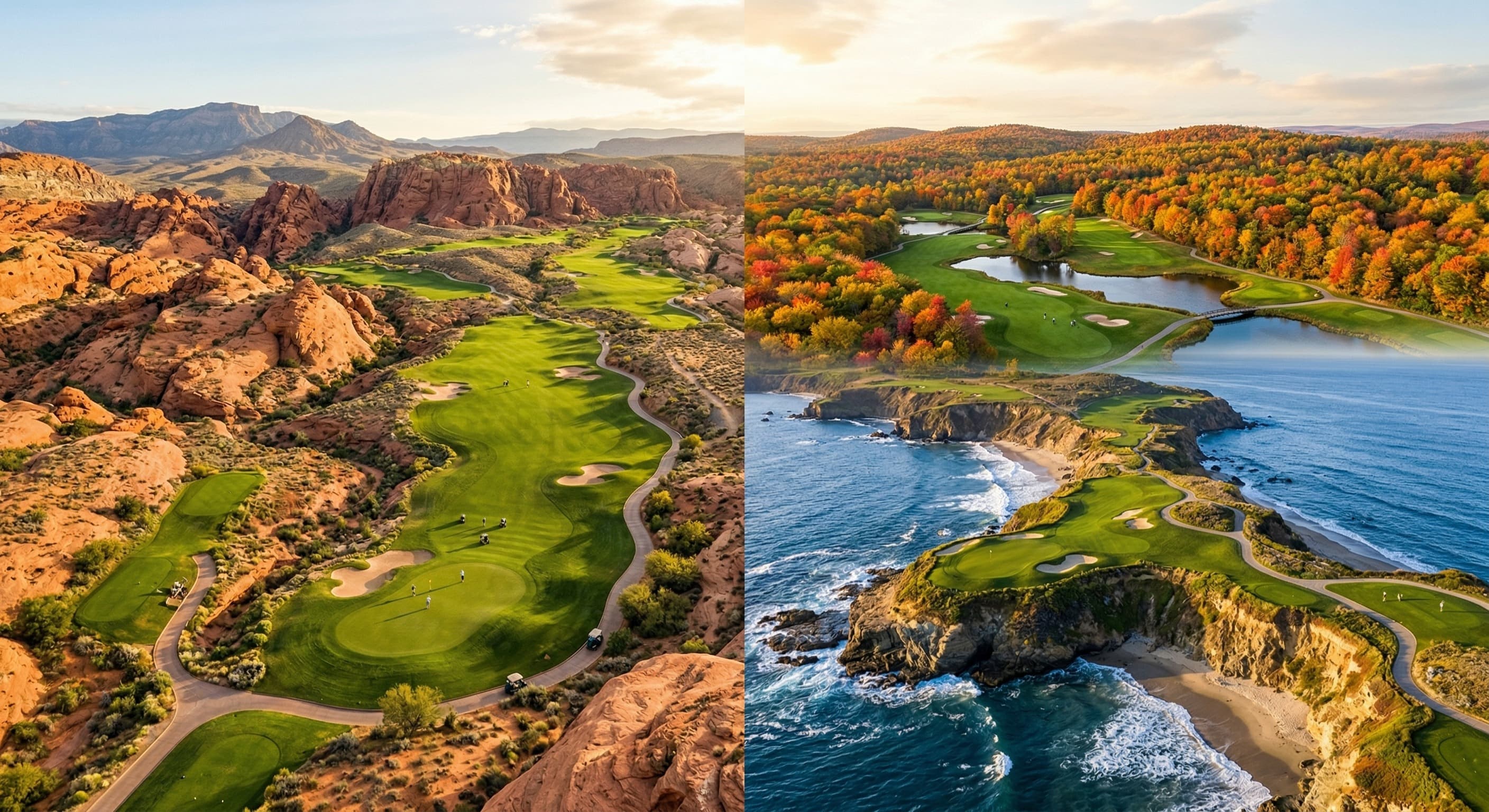
Best Golf Weather by State: Ranking America by Average G-Score
We ranked all 50 US states by average G-Score golf playability. California tops the list, but the results beyond the top five may surprise you.
Read Story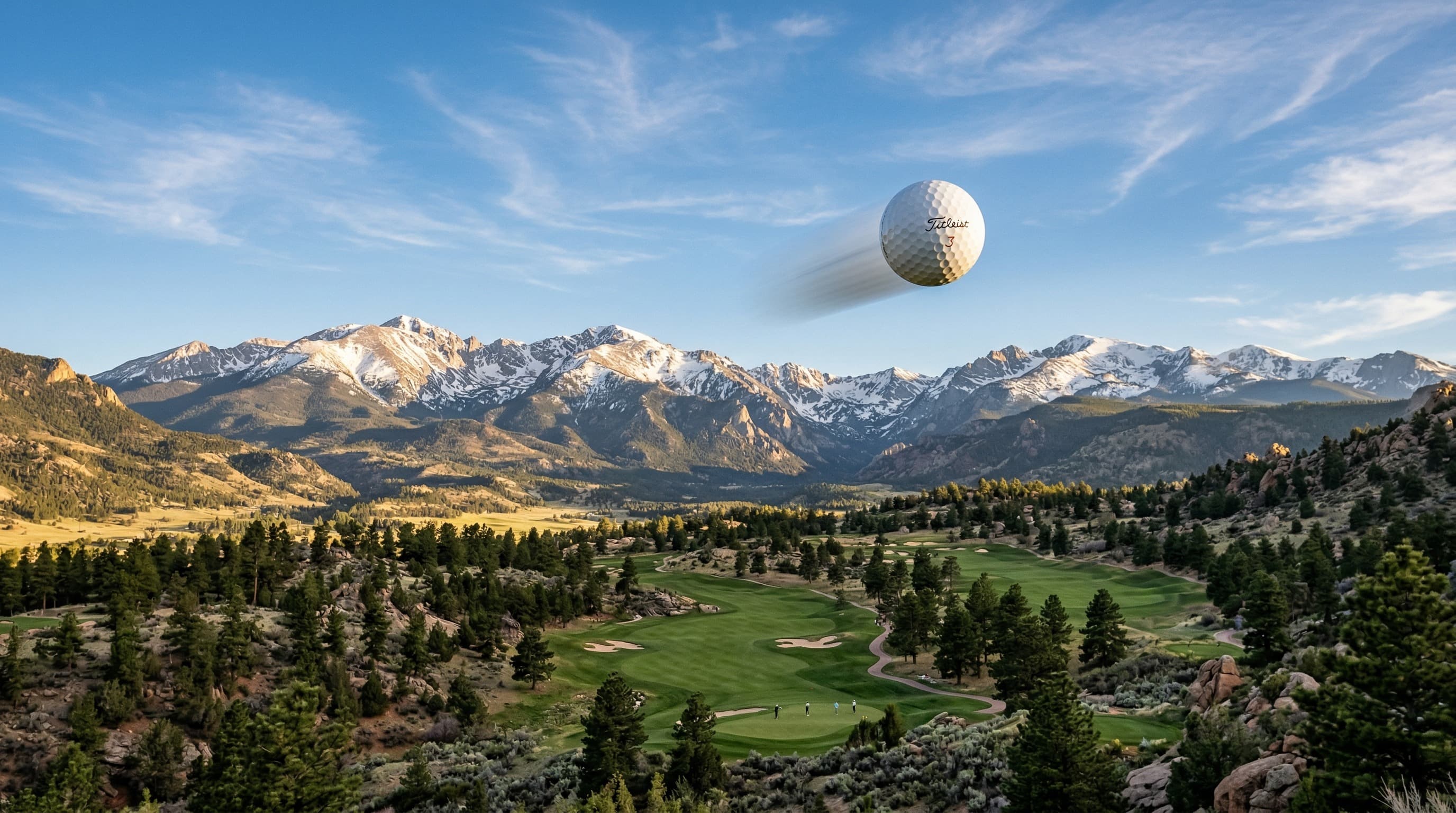
How Altitude Affects Golf Ball Distance: The Science Behind Every Extra Yard
At elevation, your golf ball flies farther than you expect. We break down exactly how altitude changes carry distance, spin rates, and club selection using real data from high-altitude courses across America.
Read StoryMinSu Kim
Founder & Golf Data Analyst
MinSu is a data analyst and golfer with 10+ years on the course. He built Golf Weather Score to answer one question: is today a good day to play? He combines weather data, course intelligence, and the proprietary G-Score algorithm to help golfers make smarter decisions.
Every Friday Morning
When Boiling Springs Golf Club plays best next weekend.
Friday 6am ET: peak G-Score windows for Boiling Springs Golf Club, wind direction by hour, and one gear call. Three minutes to read, save you the round.
One email a week. Unsubscribe in one click.
The Caddie's Oracle
Draw your luck before the tee off