
Caddie's Gear Advisor
Curated for today's 64°F · Clouds
Tour-Level Drivers
Engineered for maximum distance and forgiveness
Laser Rangefinders
Pin-seeking technology for precision approaches
Premium Golf Balls
Tour-caliber spin and distance performance
Performance Sunglasses
Polarized lenses optimized for reading greens
Your Golf Trip, Handled
The Ultimate Golf Trip Planner
Everything you need to play Burden Lake Country Club — from booking your flight to checking in course-side.
Course-Side Stays
Luxury hotels, resorts, and stay-and-play packages just minutes from the first tee.
Flights
Compare fares across 700+ airlines for the best route to your tee time.
SUV Rentals for Golf Bags
Spacious vehicles with room for clubs, bags, and your foursome.
Travel Insurance
Coverage for medical, weather delays, and gear at your destination.
Burden Lake Country Club: Course Intelligence
Signature Setup
I drove out toward Averill Park on an early October morning, hands stiff at the wheel with the dashboard reading 41°F and mist still sitting on Burden Lake. By the time the sun cleared the ridge it was climbing toward the 60s. That swing — a cold, dead-still dawn opening into a breezy, mild midday — is the entire weather story of golf in New York's Capital Region, and it's exactly the variable Burden Lake Country Club makes you account for.
Burden Lake is a nine-hole layout in Averill Park, roughly 12 miles east of Albany, set against the western edge of the Rensselaer Plateau at elevation around 600 feet. I want to be honest about its history: the club does not publish a verified architect or opening year I can stand behind, so I won't manufacture one. What I can speak to with confidence is the ground and the air — a parkland nine where position beats power, and where the lake and the plateau combine to make the wind the real defense.
Hole-by-Hole Wind & Playing Lines
The #1 stroke-index par-4. This is the hole that decides your nine. On a steady northwest wind — the prevailing autumn and winter direction off the plateau here — the approach plays noticeably longer than the card. I take one more club than the number any time the flag is standing straight out, and I aim for the fat, dry side rather than flirting with a short-sided miss.
The water-flanked par-4 near Burden Lake (the signature). The temptation is to cut the corner over the hazard; the correct play is a positioning club that keeps the lake on the periphery. On a helping down-breeze a big drive runs out toward trouble rather than down the short grass, so lay back to a comfortable full-iron number and take the water out of the equation.
A mid-length par-3 exposed to the open air. With little to block the breeze off the lake, this one can swing nearly two clubs between a calm dawn and a filled-in afternoon. Read the flag, not the forecast, and aim for the center — the run-offs punish a short-sided guess.
Green & Fairway Characteristics
The greens are cool-season surfaces — bent and poa — that run firm and quick through a dry fall and soften after summer rain. They are not large, which puts a premium on distance control: a 150-yard approach hit as pure carry into a northwest breeze can come up a full club short and trickle off the front. The fairways thread through mature trees and rolling plateau ground, so wind exposure matters as much as wind direction — the sheltered corridors play near calm while the open, lake-side holes take the full breeze. Plan your stock yardages to lose a little to the slope and the cool air, not to hold perfectly flat.
Seasonal Weather Pattern
Burden Lake sits in a humid continental climate, and the honest golf calendar runs roughly April through October. Using long-term Albany-area records as the nearest reliable proxy, July afternoons average highs around 83°F while midsummer mornings often open in the 60s. Spring and fall mornings can start near or below 45°F, and October frost delays are a genuine possibility on the shaded, low corners. The plateau setting runs a few degrees cooler than the city, especially at dawn. The defining weather signal isn't a storm front — it's that daily warming cycle, where a still, cold front-nine air mass gives way to a breezier, milder afternoon almost every clear day.
Local Play Tips
Here's the read worth knowing: the wind here is tied to the lake and the plateau, not to chance. On clear summer days the breeze off Burden Lake builds through the early afternoon, so the exposed lake-side holes you play at 2 p.m. are a longer, harder test than the same ground at 9 a.m. If you can choose your time, take the early one — a dawn round on still air plays close to a club shorter on the open holes. And in October, call ahead about frost before you drive out from Albany; the shaded, low corners near the water hold frost well after the open fairways have burned clear.
Pre-Round Weather Workflow
Use the 7-day G-Score on this course page the way I prep for a Capital Region round. The day before, check the afternoon wind trend: a building northwest reading is your signal that the exposed holes and the #1 stroke-index par-4 will play long after midday, so plan to be aggressive early and conservative late. The morning of, open the windExposure panel — the sheltered, tree-lined corridors will show low exposure and play near calm, while the open lake-side holes show the full breeze; club hole by hole rather than trusting one number for the whole nine. If the dawn G-Score shows temperatures below 50°F, expect one less club of carry on the early holes, and in fall leave margin for a frost delay before your first tee time.
Related Reading
Before you tee off at Burden Lake Country Club

America's 20 Windiest Golf Courses: A G-Score Wind Analysis
We ranked America's 20 windiest golf courses using G-Score wind penalty data. See how coastal gusts and prairie gales reshape playability scores.
Read Story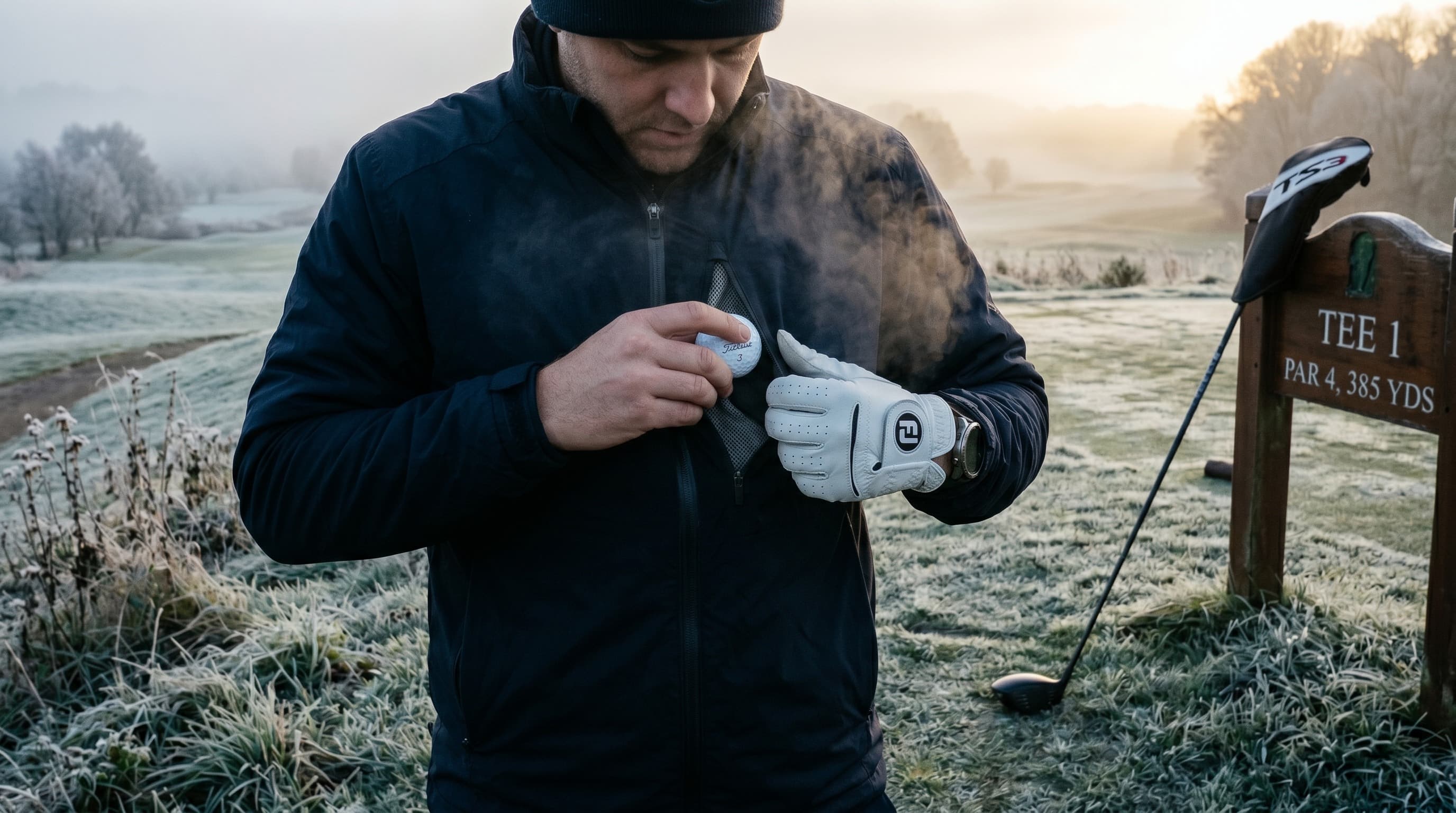
How Cold Weather Steals Distance: The Ball Compression Physics Every Golfer Should Know
Every 10°F drop costs the average golfer two to four yards of driver carry. Here is the physics — ball compression, air density, muscle temperature — and the field data we pulled from G-Score-monitored cold rounds to show exactly how distance loss compounds, and how to compensate without changing your swing.
Read StoryMinSu Kim
Founder & Golf Data Analyst
MinSu is a data analyst and golfer with 10+ years on the course. He built Golf Weather Score to answer one question: is today a good day to play? He combines weather data, course intelligence, and the proprietary G-Score algorithm to help golfers make smarter decisions.
Every Friday Morning
When Burden Lake Country Club plays best next weekend.
Friday 6am ET: peak G-Score windows for Burden Lake Country Club, wind direction by hour, and one gear call. Three minutes to read, save you the round.
One email a week. Unsubscribe in one click.
The Caddie's Oracle
Draw your luck before the tee off