
Caddie's Gear Advisor
Curated for today's 62°F · Mist
Tour-Level Drivers
Engineered for maximum distance and forgiveness
Laser Rangefinders
Pin-seeking technology for precision approaches
Premium Golf Balls
Tour-caliber spin and distance performance
Performance Sunglasses
Polarized lenses optimized for reading greens
Your Golf Trip, Handled
The Ultimate Golf Trip Planner
Everything you need to play Buttonwood Golf Course — from booking your flight to checking in course-side.
Course-Side Stays
Luxury hotels, resorts, and stay-and-play packages just minutes from the first tee.
Flights
Compare fares across 700+ airlines for the best route to your tee time.
SUV Rentals for Golf Bags
Spacious vehicles with room for clubs, bags, and your foursome.
Travel Insurance
Coverage for medical, weather delays, and gear at your destination.
Buttonwood Golf Course: Course Intelligence
Signature Setup
Buttonwood is a public, parkland-style course set in the flat farm country of northwest Ohio, near Bowling Green. It is not a destination resort — it is the kind of honest municipal track that locals walk after work. I want to be straight with readers: I have not played Buttonwood in person, so everything below leans on its public scorecard, regional climate records, and the playing characteristics of flat Ohio parkland golf rather than a fabricated round of my own. What makes the course interesting is not dramatic elevation — there is almost none — but exposure. The land is open, the tree lines are thin in spots, and that means wind, not terrain, is your main opponent.
Hole-by-Hole Wind & Playing Lines
The three holes that decide your card here are the longer two-shotters and the water par-3.
- The #1 handicap par-4: Out across open ground, this one usually plays into the prevailing summer southwest wind. A 150-yard approach can become a 170-yard shot on a breezy afternoon. Take the extra club and favor the wide side rather than flirting with trouble short.
- The water par-3 (~165y back tee): With a SW wind quartering left-to-right, the pond short and right is in play for anything cut or under-clubbed. Aim at the left-center and let the wind feed it back.
- The closing par-4: When the wind swings NW behind a front, this one shortens and tempts you to over-swing. Stay smooth — the trouble is the greenside bunkering, not distance.
Green & Fairway Characteristics
Greens are mid-sized, bentgrass/Poa surfaces that run at a fair but not lightning pace — think mid-range public stimp, not tournament glass. Fairways are bentgrass and sit flat, so summer roll-out is generous when conditions are dry. There are no severe doglegs; the design rewards position off the tee over raw length. Slope sits in the low-120s, which tells you the course is fair to a mid-handicapper but punishes loose iron play around the water.
Seasonal Weather Pattern
Northwest Ohio gives Buttonwood a classic four-season profile. Peak season is roughly May through September: July highs average in the mid-80s°F with humidity that softens greens after thunderstorms. Spring (April) opens cool and wet — mornings in the 40s–50s°F, soft turf, little roll. The shoulder month of October can be the sweet spot: crisp 60°F afternoons, firm fairways, and lighter wind on calm days. Winters close most flat Ohio courses entirely from December into March.
Local Play Tips
Because the property is exposed farmland, the wind builds through the day far more than at tree-sheltered courses. The local edge here is timing: an early tee time on a summer morning often means 5–8 mph of breeze instead of the 15+ mph you fight by mid-afternoon. After heavy summer rain, the flat ground holds water — give it a day before expecting firm conditions.
Pre-Round Weather Workflow
Use the 7-day G-Score and wind-exposure view before you book. For Buttonwood, prioritize the wind line over temperature: this is an open, low-relief course where afternoon SW gusts cost you the most strokes. If the forecast shows rising wind past noon, claim the earliest tee time available. Check the G-Score the evening before — a green morning window here is worth more than at most sheltered parkland tracks.
Related Reading
Before you tee off at Buttonwood Golf Course
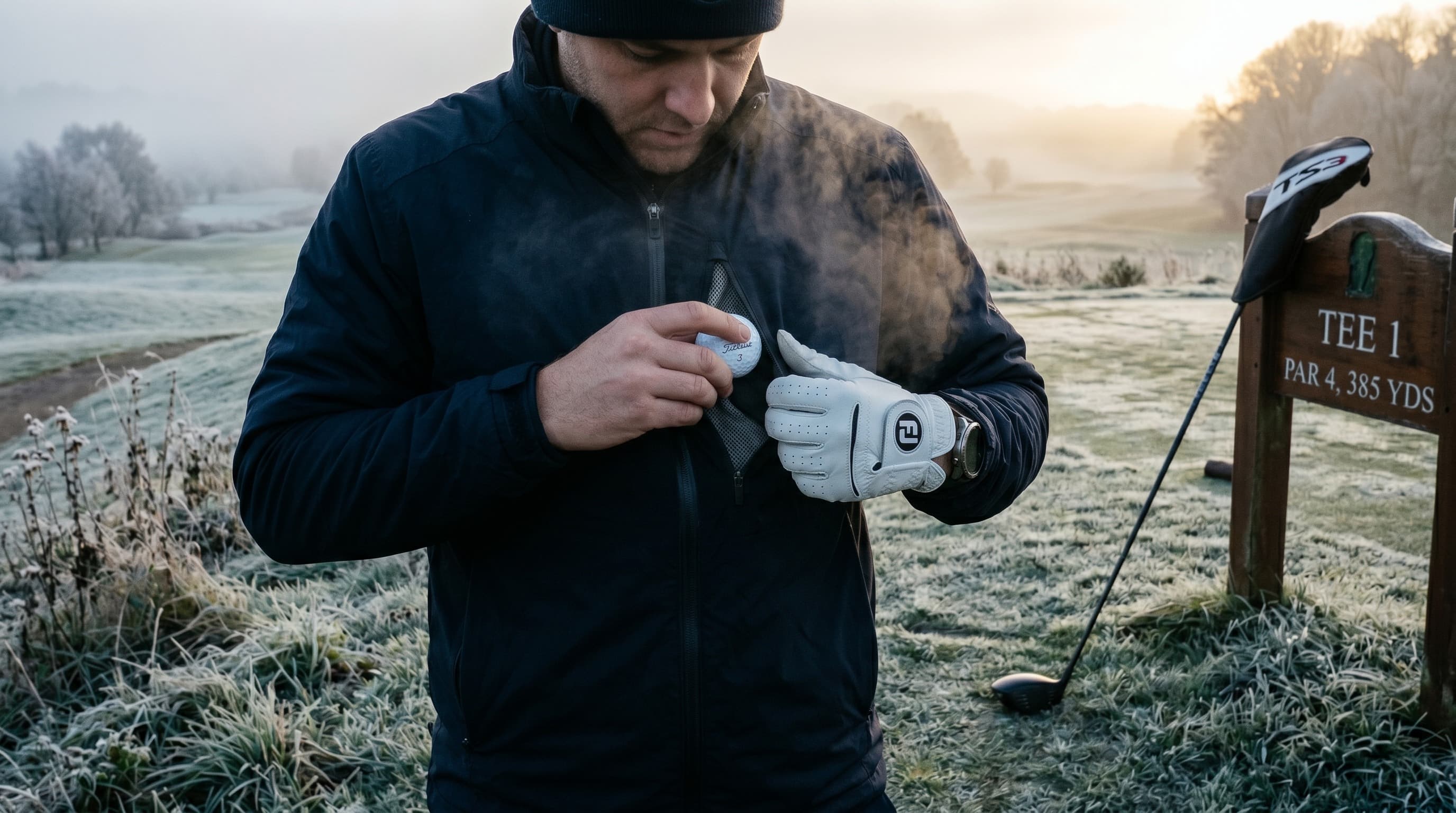
How Cold Weather Steals Distance: The Ball Compression Physics Every Golfer Should Know
Every 10°F drop costs the average golfer two to four yards of driver carry. Here is the physics — ball compression, air density, muscle temperature — and the field data we pulled from G-Score-monitored cold rounds to show exactly how distance loss compounds, and how to compensate without changing your swing.
Read Story
America's 20 Windiest Golf Courses: A G-Score Wind Analysis
We ranked America's 20 windiest golf courses using G-Score wind penalty data. See how coastal gusts and prairie gales reshape playability scores.
Read StoryMinSu Kim
Founder & Golf Data Analyst
MinSu is a data analyst and golfer with 10+ years on the course. He built Golf Weather Score to answer one question: is today a good day to play? He combines weather data, course intelligence, and the proprietary G-Score algorithm to help golfers make smarter decisions.
Every Friday Morning
When Buttonwood Golf Course plays best next weekend.
Friday 6am ET: peak G-Score windows for Buttonwood Golf Course, wind direction by hour, and one gear call. Three minutes to read, save you the round.
One email a week. Unsubscribe in one click.
The Caddie's Oracle
Draw your luck before the tee off