
Caddie's Gear Advisor
Curated for today's 72°F · Clouds
Tour-Level Drivers
Engineered for maximum distance and forgiveness
Laser Rangefinders
Pin-seeking technology for precision approaches
Premium Golf Balls
Tour-caliber spin and distance performance
Performance Sunglasses
Polarized lenses optimized for reading greens
Your Golf Trip, Handled
The Ultimate Golf Trip Planner
Everything you need to play Carroll Park Golf Course — from booking your flight to checking in course-side.
Course-Side Stays
Luxury hotels, resorts, and stay-and-play packages just minutes from the first tee.
Flights
Compare fares across 700+ airlines for the best route to your tee time.
SUV Rentals for Golf Bags
Spacious vehicles with room for clubs, bags, and your foursome.
Travel Insurance
Coverage for medical, weather delays, and gear at your destination.
Carroll Park Golf Course: Course Intelligence
Signature Setup
Carroll Park Golf Course sits in southwest Baltimore, wedged between the Middle Branch of the Patapsco River and the old Carroll Park itself — one of the oldest public courses in the city, opened around 1923. I'll be honest about the record: the architect of this muni isn't well documented, and I won't put a famous name on it just to fill a line. It was laid out as a city parks course, and it still plays like one — nine holes, par 35, flat, walkable, and built for the neighborhood rather than for television.
The signature here isn't a dramatic carry. It's Hole 5, a short par-4 of about 305 yards where the fairway narrows toward the river side. The temptation is to bomb driver; the smarter play is to leave yourself a full wedge instead of a 40-yard pitch from the wrong angle.
Hole-by-Hole Wind & Playing Lines
The three holes that decide your card here are 2, 5, and 8.
Hole 2 (#1 handicap, ~395y par-4): This plays toward the Middle Branch, and on southeast mornings the river breeze sits in your face. On those days I club up a full club into the green — a 150-yard approach plays closer to 165. About a third of summer mornings carry that SE flow.
Hole 5 (305y par-4): Crosswind off the left on west-southwest afternoons pushes tee shots toward the river edge. Aim down the right third and let the wind work it back.
Hole 8 (par-3, ~165y): Exposed and short, but the green is small. On still, humid mornings the ball flies shorter than the number suggests — I take one extra club and swing easy.
Green & Fairway Characteristics
The greens are modest in size and roll at a moderate pace — nothing tricked-up, but they hold a ball well when the turf is damp at sunrise. Fairways are flat parkland with bentgrass/poa surfaces typical of older Mid-Atlantic munis; there's little elevation change across the nine, which makes it a genuine walk rather than a cart-only slog. Front-nine yardage runs short — most tees sit under 3,000 yards for nine — so this is a course where wedge control and putting, not driver distance, write your score.
Seasonal Weather Pattern
Baltimore's summers are humid and warm: July highs sit in the upper 80s°F with dew points often in the low 70s, which is what makes the river-side air feel heavy by mid-morning. Spring and fall are the sweet spots — 60–72°F afternoons in April and October with firmer turf. Winters are cold but playable on milder days; January highs hover near 42°F, and the course stays open when the ground isn't frozen. The Middle Branch keeps humidity higher here than at courses a few miles inland.
Local Play Tips
The thing I'd tell a first-timer: this is a teaching-and-walking course, not a championship test, so manage your expectations and your tee time. Get out before 9 a.m. in summer. The Middle Branch sits the humidity right on top of the front nine, and by early afternoon both your stamina and your ball flight pay for it. I've walked the front in late October when it was crisp and quiet — I haven't played a full peak-summer round here, so I'm leaning on the regional weather record for the July numbers, not a personal card.
Pre-Round Weather Workflow
Use the 7-day G-Score on this course page to find your window. For Carroll Park specifically, watch two things: morning dew point (above 70°F means a heavy, short-flying ball — club up) and wind direction (SE = into Hole 2; WSW = crossing Hole 5). The windExposure rating flags the river-facing holes that move most. Book the earliest tee time the G-Score favors — on this course the difference between an 8 a.m. and a 1 p.m. July round is real, both in comfort and in carry.
Related Reading
Before you tee off at Carroll Park Golf Course
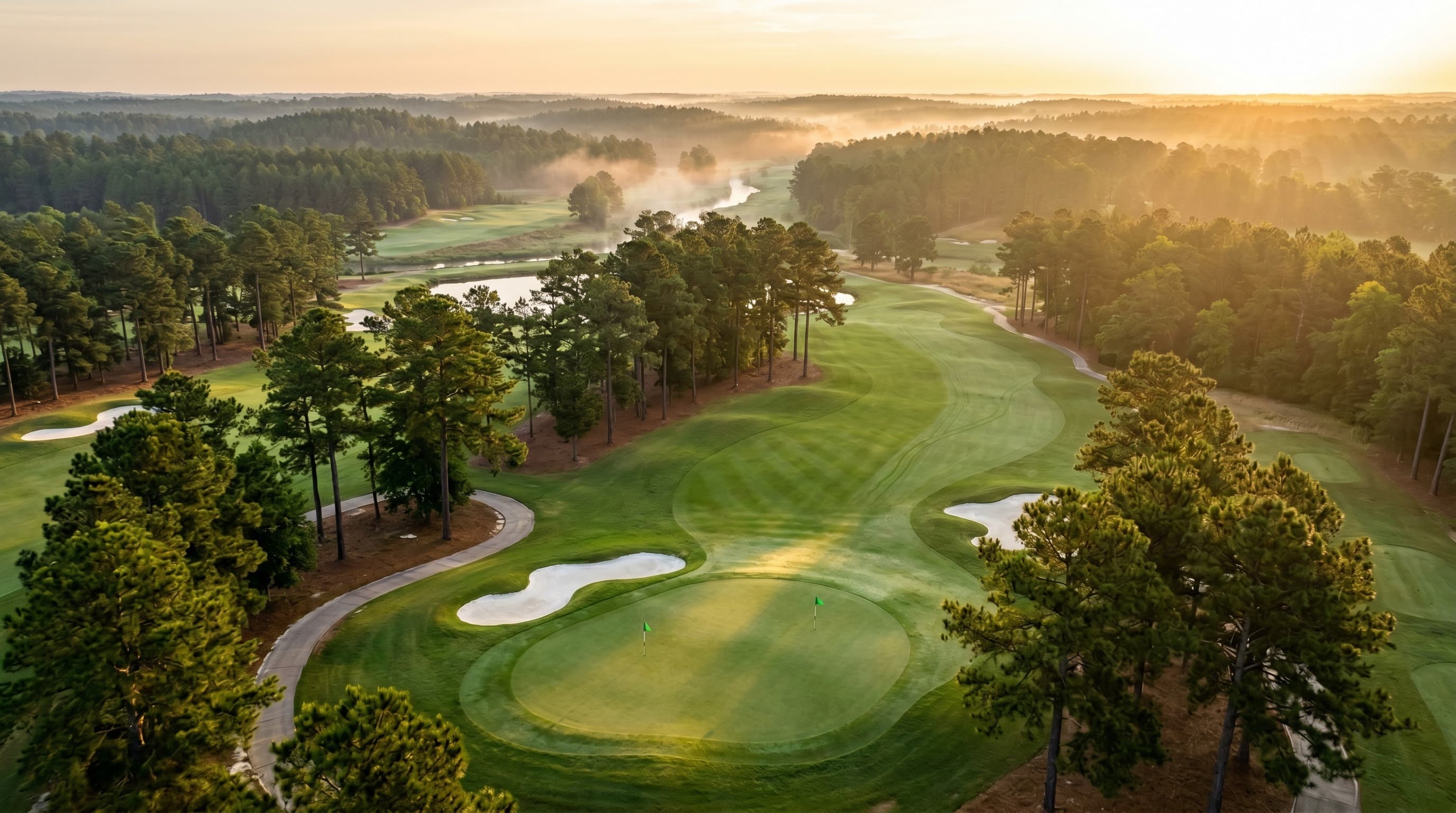
The May 2026 G-Score Heatmap: Where American Golf Peaks This Spring
May is the most underrated month on the American golf calendar. Five regions hit their annual peak this spring, three turn quietly hostile, and the data tells a clearer story than the brochures. Here is where to play, where to avoid, and how to time your booking window.
Read Story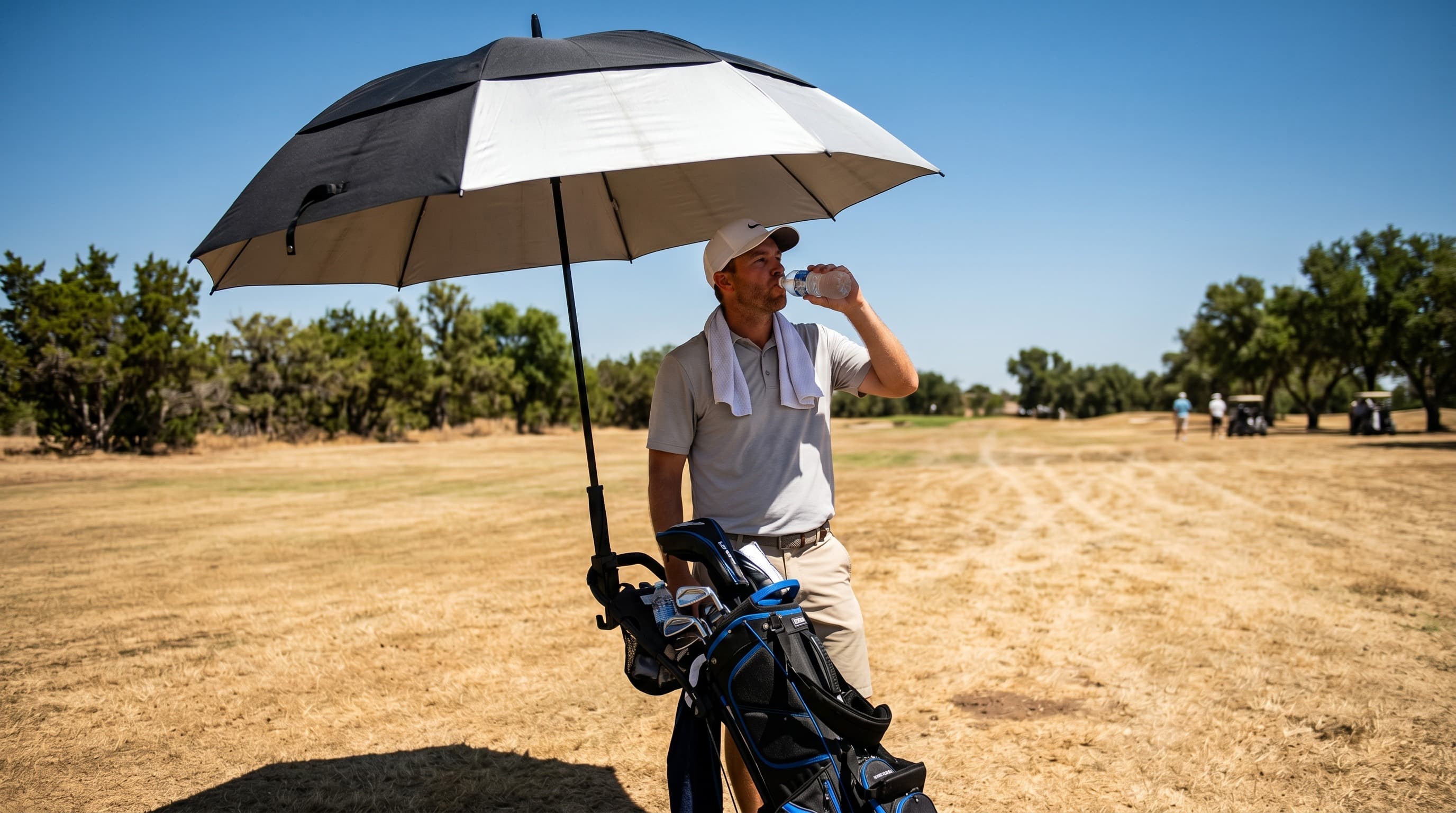
The Summer Golf Survival Guide: Beat the Heat Without Losing Your Game
Summer heat kills more than just your energy — it degrades your decision-making, grip, and ball flight. Here is the complete guide to playing smart golf when temperatures push past 90 degrees.
Read StoryMinSu Kim
Founder & Golf Data Analyst
MinSu is a data analyst and golfer with 10+ years on the course. He built Golf Weather Score to answer one question: is today a good day to play? He combines weather data, course intelligence, and the proprietary G-Score algorithm to help golfers make smarter decisions.
Every Friday Morning
When Carroll Park Golf Course plays best next weekend.
Friday 6am ET: peak G-Score windows for Carroll Park Golf Course, wind direction by hour, and one gear call. Three minutes to read, save you the round.
One email a week. Unsubscribe in one click.
The Caddie's Oracle
Draw your luck before the tee off