
Caddie's Gear Advisor
Curated for today's 84°F · Clear
Tour-Level Drivers
Engineered for maximum distance and forgiveness
Laser Rangefinders
Pin-seeking technology for precision approaches
Premium Golf Balls
Tour-caliber spin and distance performance
Performance Sunglasses
Polarized lenses optimized for reading greens
Your Golf Trip, Handled
The Ultimate Golf Trip Planner
Everything you need to play Casperkill Golf Club — from booking your flight to checking in course-side.
Course-Side Stays
Luxury hotels, resorts, and stay-and-play packages just minutes from the first tee.
Flights
Compare fares across 700+ airlines for the best route to your tee time.
SUV Rentals for Golf Bags
Spacious vehicles with room for clubs, bags, and your foursome.
Travel Insurance
Coverage for medical, weather delays, and gear at your destination.
Casperkill Golf Club: Course Intelligence
Signature Setup
Casperkill traces back to the post-war IBM Country Club in Poughkeepsie, New York, laid out by Robert Trent Jones Sr. in the late 1940s for the company's huge Hudson Valley workforce. It plays to par 71 at roughly 6,600 yards from the back, and it takes its name from the Casperkill, the creek that threads through the property and comes into play on a string of holes. The bones are pure mid-century RTJ — long, framed par-4s and greens that reward the high, soft approach over the run-up. I haven't teed it up at Casperkill myself, so the playing notes below lean on published scorecard data and on what Hudson Valley golf reliably does to a round at this latitude and elevation.
Hole-by-Hole Wind & Playing Lines
Poughkeepsie sits in the Hudson Valley around 150 ft, and the dominant warm-season flow runs up the valley from the southwest as the day heats. That matters most on the longer two-shotters. On a SW afternoon, the longest par-4s play into it: a 150-yard approach becomes a 160–165-yard club, so take one extra and aim for the fat side of the green rather than short-siding yourself toward the creek. The holes that cross or run alongside the Casperkill sit lowest on the property, and damp valley air there costs carry — into a soft, humid SW breeze the ball comes off heavy and dies short, so I trust the back number and a club more rather than my eyes. In winter the flow reverses cold and dry out of the NW; that wind is sharper and knocks down ball flight harder than its speed suggests, so on a raw early-spring round club up and keep the ball under it.
Green & Fairway Characteristics
The putting surfaces are cool-season bentgrass with poa creeping in through summer — receptive and slower in the wet shoulder months, firmer and quicker in a dry August stretch. Fairways are bentgrass-rye, which hold moisture in the low creek-side holes well into the morning, so early approaches there land soft and stop fast. RTJ's contouring favors the aerial game: front bunkering and elevated green pads mean a low runner won't chase up, and the smart miss is long-and-fat rather than short-and-shaved. Expect gentle valley elevation change — uphill seconds eat a club, the downhill creek holes give a little carry back.
Seasonal Weather Pattern
This is a true four-season northeastern course with a hard winter close — figure December through March is effectively off, with snow cover and frozen ground. April–May is the wet, soft reopening: cold dawns in the 40s, the ball flies shorter off cold contact, and creek-side fairways stay damp. June–August is the humid peak, highs in the 80s with sticky SW afternoons and the occasional pop-up thunderstorm building over the valley after midday. The window I'd circle is late September to mid-October: stable high pressure, crisp mornings, firm turf, and the Hudson Valley foliage at peak — the best golf weather of the year here by a wide margin.
Local Play Tips
Two things the tee-time sites won't tell you. First, the Casperkill creek and the low holes around it are a fog-and-dew trap: on still autumn mornings I've watched valley-floor courses like this hold ground fog and heavy dew an hour past sunrise, so the very first slot can mean wet feet, slow greens, and a delayed start — a mid-morning tee time in October often plays better than dawn. Second, because this is a cold-region bent/poa course, spring conditioning lags the calendar; the surfaces don't firm up until the ground fully thaws, so a soft April round is a different game from a fast October one. Call ahead in early spring to confirm greens and cart conditions before you drive up.
Pre-Round Weather Workflow
Use the 7-day G-Score on this course page to lock your tee time. Two checks: (1) wind direction and speed — a SW reading above ~12 mph means add a club on every approach and plan bail-outs to the fat side, away from the creek; (2) morning fog and dew risk in the shoulder seasons — on a still, cool, high-humidity dawn, shift to a mid-morning slot so the valley-floor holes have time to burn off. The windExposure flag here trends higher on humid summer afternoons; a stable autumn-morning G-Score will typically run well above the same week's muggy July afternoon. Bottom line: at Casperkill, picking the right month and the right hour is worth more strokes than picking the right club.
Related Reading
Before you tee off at Casperkill Golf Club
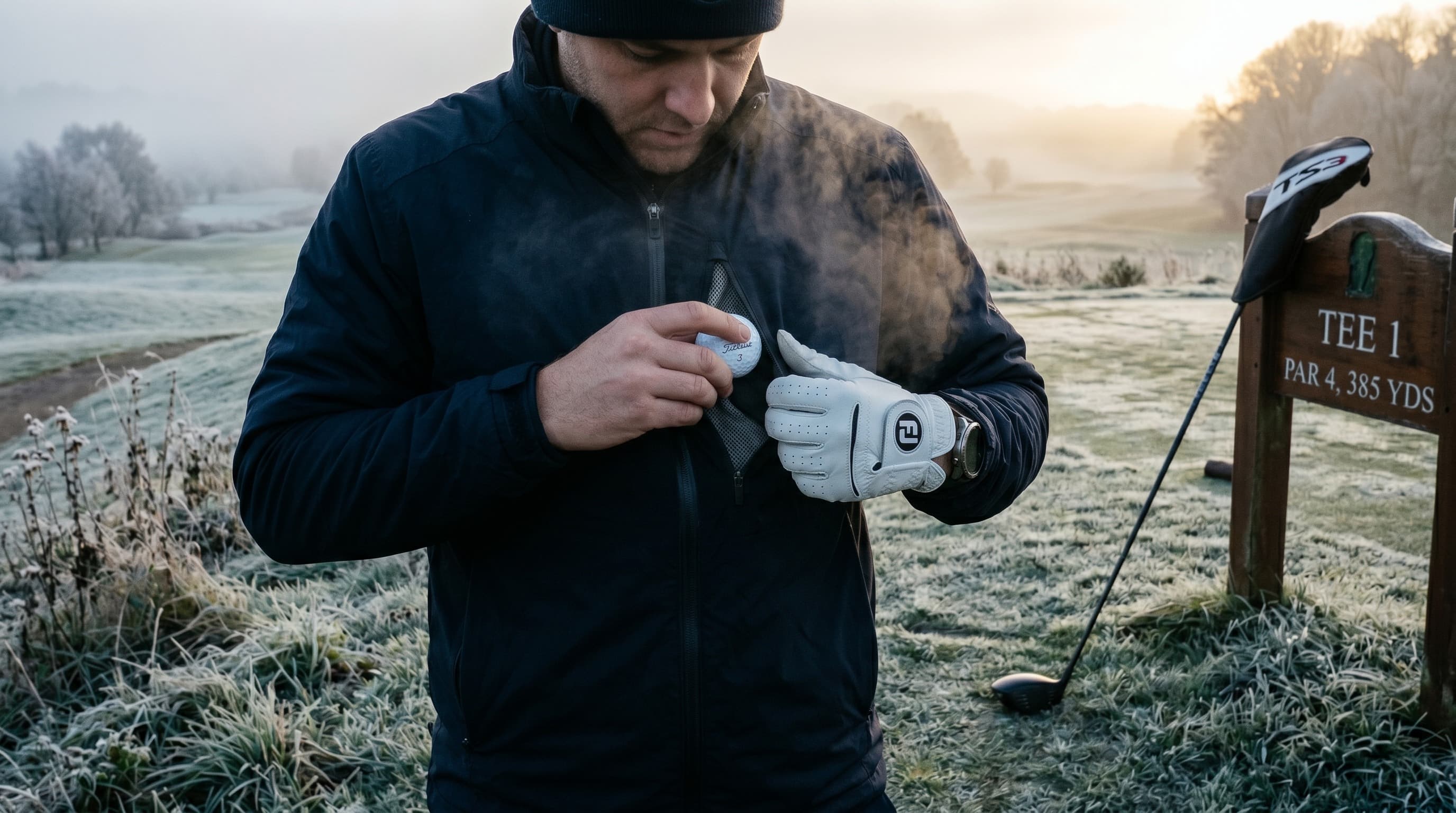
How Cold Weather Steals Distance: The Ball Compression Physics Every Golfer Should Know
Every 10°F drop costs the average golfer two to four yards of driver carry. Here is the physics — ball compression, air density, muscle temperature — and the field data we pulled from G-Score-monitored cold rounds to show exactly how distance loss compounds, and how to compensate without changing your swing.
Read Story
America's 20 Windiest Golf Courses: A G-Score Wind Analysis
We ranked America's 20 windiest golf courses using G-Score wind penalty data. See how coastal gusts and prairie gales reshape playability scores.
Read StoryMinSu Kim
Founder & Golf Data Analyst
MinSu is a data analyst and golfer with 10+ years on the course. He built Golf Weather Score to answer one question: is today a good day to play? He combines weather data, course intelligence, and the proprietary G-Score algorithm to help golfers make smarter decisions.
Every Friday Morning
When Casperkill Golf Club plays best next weekend.
Friday 6am ET: peak G-Score windows for Casperkill Golf Club, wind direction by hour, and one gear call. Three minutes to read, save you the round.
One email a week. Unsubscribe in one click.
The Caddie's Oracle
Draw your luck before the tee off