
Caddie's Gear Advisor
Curated for today's 56°F · Mist
Tour-Level Drivers
Engineered for maximum distance and forgiveness
Laser Rangefinders
Pin-seeking technology for precision approaches
Premium Golf Balls
Tour-caliber spin and distance performance
Performance Sunglasses
Polarized lenses optimized for reading greens
Your Golf Trip, Handled
The Ultimate Golf Trip Planner
Everything you need to play Cedars Golf Course — from booking your flight to checking in course-side.
Course-Side Stays
Luxury hotels, resorts, and stay-and-play packages just minutes from the first tee.
Flights
Compare fares across 700+ airlines for the best route to your tee time.
SUV Rentals for Golf Bags
Spacious vehicles with room for clubs, bags, and your foursome.
Travel Insurance
Coverage for medical, weather delays, and gear at your destination.
Cedars Golf Course: Course Intelligence
Signature Setup
The par-3 over the pond at Cedars is the hole I remember in my hands, not my eyes. I played it on a gray March morning, 49°F at 8:30 a.m., and the cedars down the right side were still dripping from overnight rain. This is a public, tree-lined course in the Brush Prairie area north of Vancouver, Washington — a Clark County layout that opened in the mid-1970s, par 72, playing a touch over 6,300 yards from the back tees with a slope in the low 120s. It reads modest on the card. What the card doesn't tell you is how much the Pacific Northwest moisture changes the math from October through spring.
Hole-by-Hole Wind & Playing Lines
The #1-handicap par-4 (~430y): The hardest hole on the property and the one the weather punishes most. The prevailing southwest breeze runs up the valley through late morning, and into it this hole stretches past 450. I stopped trying to bite off the corner here — a 3-wood to the fat side of the fairway leaves a full 6-iron, which beats a flyer out of wet rough every time.
The long par-3 over water (~165y): Water short, cedars right. On a still, cool morning (sub-55°F) the ball flies short, so I club up and aim at the center of the green rather than flirting with a right pin near the trees.
A back-nine dogleg par-5: Reachable in two only when the fairways are firm — which around here means July and August. From November through March the landing zone holds zero roll, so I treat it as a clean three-shot hole and wedge it close instead of forcing a long second into a soft green.
Green & Fairway Characteristics
The greens are a bent/poa mix and run moderate — honest, not glassy, and truer when they've had a dry overnight to firm up. The dominant factor here is water in the ground. From late October through March the fairways stay soft and your carry number is your total number; there is no run-up help. The front nine plays a little flatter and drains faster, while the back nine sits lower and stays wet longer after a storm. I haven't played Cedars in the dead of summer, so I can't speak to peak firmness from experience — but the valley pattern says July–August is when it finally plays fast.
Seasonal Weather Pattern
Cedars sits in the Clark County lowlands, and the weather is classic southwest Washington: wet shoulders, a short dry core. Summer (Jul–Aug) brings highs near 80°F, the firmest fairways of the year, and the best scoring window. From November into March, expect measurable rain on more than half the days, daytime temps around 45°F, and morning damp that pools on the lower back-nine holes. The ball flies noticeably shorter in that cold, heavy air — plan on one extra club through the winter. Spring stays soggy underfoot until roughly May.
Local Play Tips
Book the earliest tee time you can stomach in the wet season, then sequence your round around drainage: the front nine firms up first, so I'd rather meet the slow-draining back nine an hour later on a damp week. As a public course the twilight rates are genuinely cheap and the place empties out, so a late-afternoon summer nine — daylight runs long this far north — is the quiet local move. If a right pin is cut on the pond par-3, take the center of the green and walk away with par; the cedars right are not worth the gamble after rain.
Pre-Round Weather Workflow
Check the 7-day G-Score before you book, and weight overnight rain and morning fog far above temperature for this course. If the forecast shows a dry overnight and a sun window after mid-morning, target a tee time that lets the greens firm before you reach them. Use the windExposure read for the SW valley breeze — into it, the #1-handicap par-4 is a different hole, so club up and aim for the wide side. In the wet months assume zero fairway roll and add a club for the heavy air; in July–August, expect the firmest and lowest-scoring conditions of the year.
Related Reading
Before you tee off at Cedars Golf Course
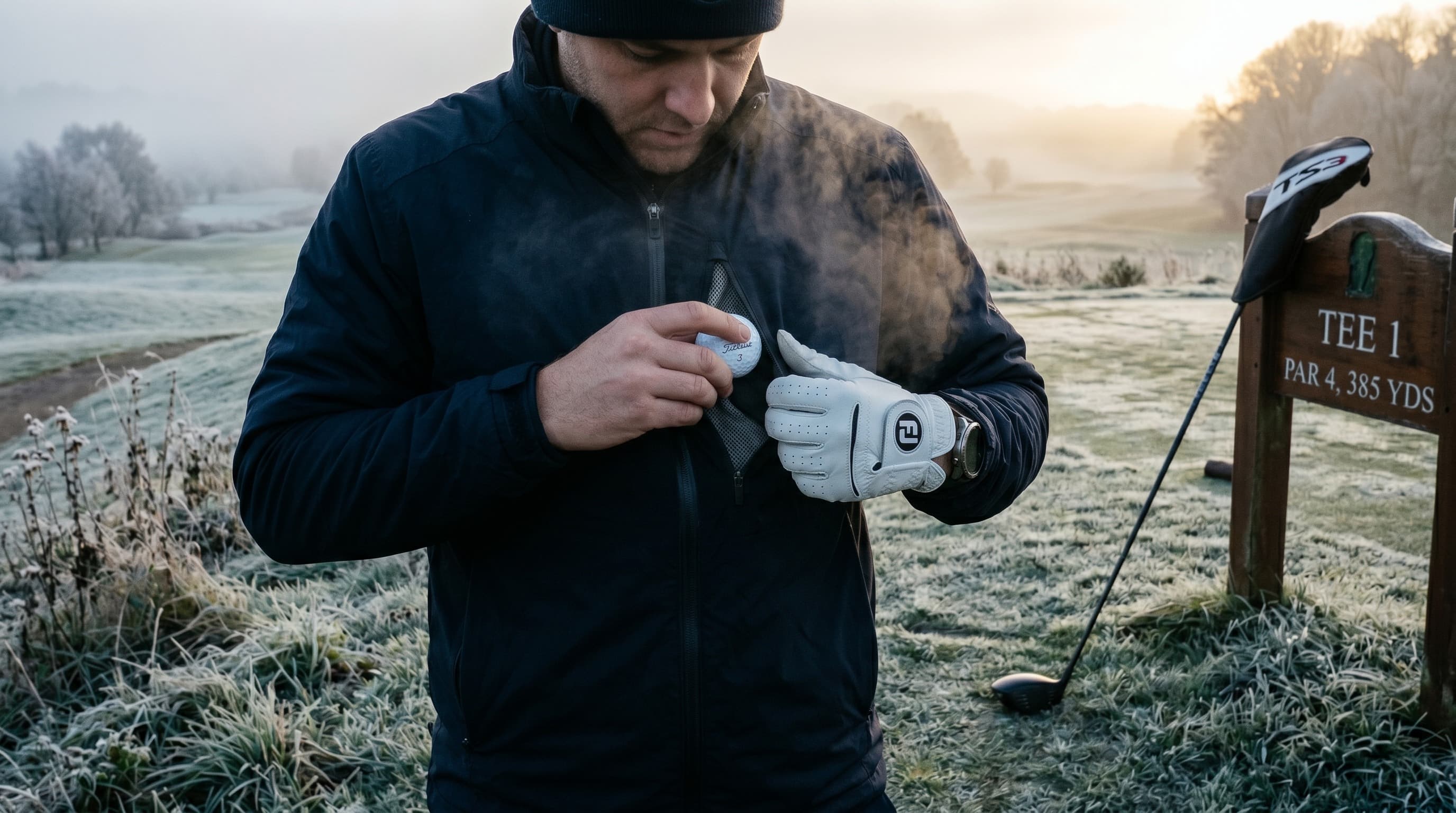
How Cold Weather Steals Distance: The Ball Compression Physics Every Golfer Should Know
Every 10°F drop costs the average golfer two to four yards of driver carry. Here is the physics — ball compression, air density, muscle temperature — and the field data we pulled from G-Score-monitored cold rounds to show exactly how distance loss compounds, and how to compensate without changing your swing.
Read Story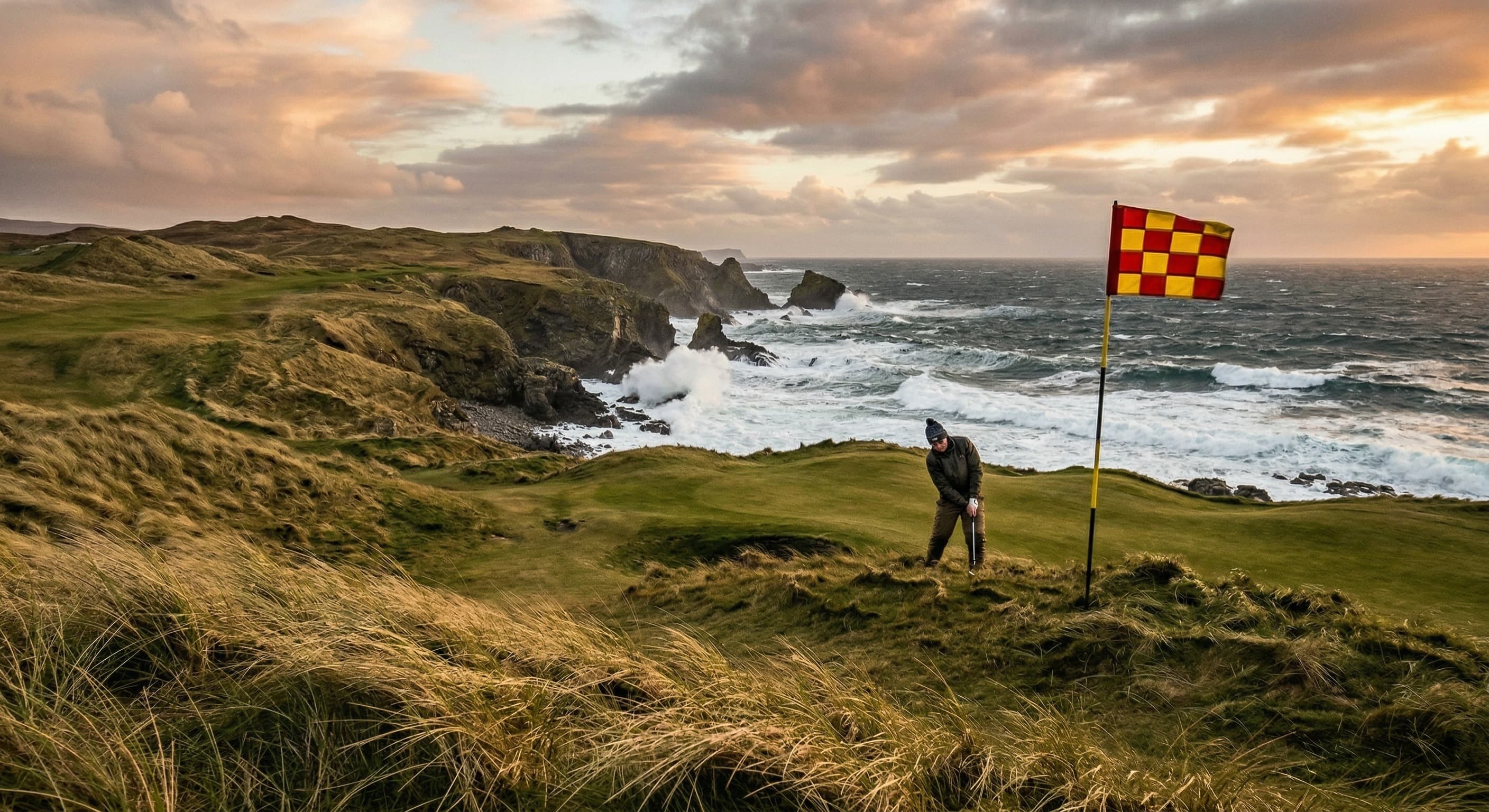
America's 20 Windiest Golf Courses: A G-Score Wind Analysis
We ranked America's 20 windiest golf courses using G-Score wind penalty data. See how coastal gusts and prairie gales reshape playability scores.
Read StoryMinSu Kim
Founder & Golf Data Analyst
MinSu is a data analyst and golfer with 10+ years on the course. He built Golf Weather Score to answer one question: is today a good day to play? He combines weather data, course intelligence, and the proprietary G-Score algorithm to help golfers make smarter decisions.
Every Friday Morning
When Cedars Golf Course plays best next weekend.
Friday 6am ET: peak G-Score windows for Cedars Golf Course, wind direction by hour, and one gear call. Three minutes to read, save you the round.
One email a week. Unsubscribe in one click.
The Caddie's Oracle
Draw your luck before the tee off