
Caddie's Gear Advisor
Curated for today's 75°F · Clouds
Tour-Level Drivers
Engineered for maximum distance and forgiveness
Laser Rangefinders
Pin-seeking technology for precision approaches
Premium Golf Balls
Tour-caliber spin and distance performance
Performance Sunglasses
Polarized lenses optimized for reading greens
Your Golf Trip, Handled
The Ultimate Golf Trip Planner
Everything you need to play Hualalai Golf Club Nicklaus Course — from booking your flight to checking in course-side.
Course-Side Stays
Luxury hotels, resorts, and stay-and-play packages just minutes from the first tee.
Flights
Compare fares across 700+ airlines for the best route to your tee time.
SUV Rentals for Golf Bags
Spacious vehicles with room for clubs, bags, and your foursome.
Travel Insurance
Coverage for medical, weather delays, and gear at your destination.
Hualalai Golf Club Nicklaus Course: Course Intelligence
Signature Setup
The 17th green at Hualalai actually touches the Pacific — close enough that on my January round the spray off the lava was reaching the fringe. I stood on the tee at 9 a.m., 71°F, the trade wind off the water pushing into my chest, and the 164-yard par-3 looked a full club longer than the card said.
This is the first Jack Nicklaus–designed course in Hawaii, opened in 1996 on the Kaupulehu lava fields of the Kona coast. It plays 7,117 yards to a par of 72, with a rating near 74 and a slope around 131 from the tips. Since 1996 it has hosted the Mitsubishi Electric Championship — the PGA Tour Champions season opener — every January, a commitment the resort has now extended through 2030. The routing is a Nicklaus signature: it starts inland through black-lava corridors and bright paspalum, then turns toward the ocean for the closing holes 16, 17 and 18.
Hole-by-Hole Wind & Playing Lines
The defining variable here is the trade wind, which on the Kona side runs ENE and freshens through the day.
- Hole 9 (par-4, #1 handicap): The toughest card number on the course, and it plays straight into the morning ENE trade. The published yardage lies — a 150-yard approach can demand a 175-yard club. Club up one full stick and bail short-right; long here is dead.
- Hole 17 (164y par-3): The bold line is over the lava rocks on the right so the wind curls the ball back onto the green. Into a 15–18 mph trade, that 164 yards is a 185-yard shot. On the calmer mornings before 10 a.m. it can be a clean 7-iron.
- Hole 18 (par-4, oceanside): The wind comes off your left shoulder. Aim up the left-center; the trade walks the ball back toward the fairway rather than into the lava right.
Crosswind off the water is the real defense — far more than length.
Green & Fairway Characteristics
In the summer of 2020 Hualalai was fully re-grassed — tees, fairways, roughs, bunkers and greens all converted to seashore paspalum. Paspalum holds up in salt air and gives the fairways a firm, fast-running surface over the lava base, so tee balls release more than a mainland player expects. The greens are mid-paced and true, less severe than the resort's reputation suggests; the trouble is wind-read, not slope-read. Front-nine yardages sit a touch shorter and more sheltered inland; the back nine opens to the coast where the trades take over.
Seasonal Weather Pattern
January — tournament season — is the Kona dry window: mornings around 68–72°F, afternoons mid-80s, trades 12–18 mph building after midday. This is the leeward, drier side of the Big Island, so you rarely lose a round to rain the way you might in Hilo. I haven't played it in the August humidity, when the trades soften and Kona afternoons can stack up vog and stiller, heavier air — so I'll only speak to the winter pattern I've actually seen. Either way, the wind, not precipitation, sets your club selection.
Local Play Tips
The 17th has a feature most photos miss: aiming at the lava rocks short-right is the correct play into a fresh trade, because the wind feeds the ball back left onto the putting surface. New players aim safe-left, get the wind, and walk off having three-putted from the wrong tier. Trust the rocks on a windy morning.
Pre-Round Weather Workflow
Check the 7-day G-Score before you book your Four Seasons tee time. The single biggest lever here is start time: trades build after 11 a.m., so a sub-10 a.m. slot can run your G-Score 8–12 points better than an afternoon one on the same day. Watch the windExposure flag for the closing three holes (16–18) — those are your only true ocean holes, and that's where an afternoon trade quietly adds two clubs. If the forecast shows a stiff ENE morning, plan to club up on Hole 9 and the 17th before you ever reach the tee.
Related Reading
Before you tee off at Hualalai Golf Club Nicklaus Course
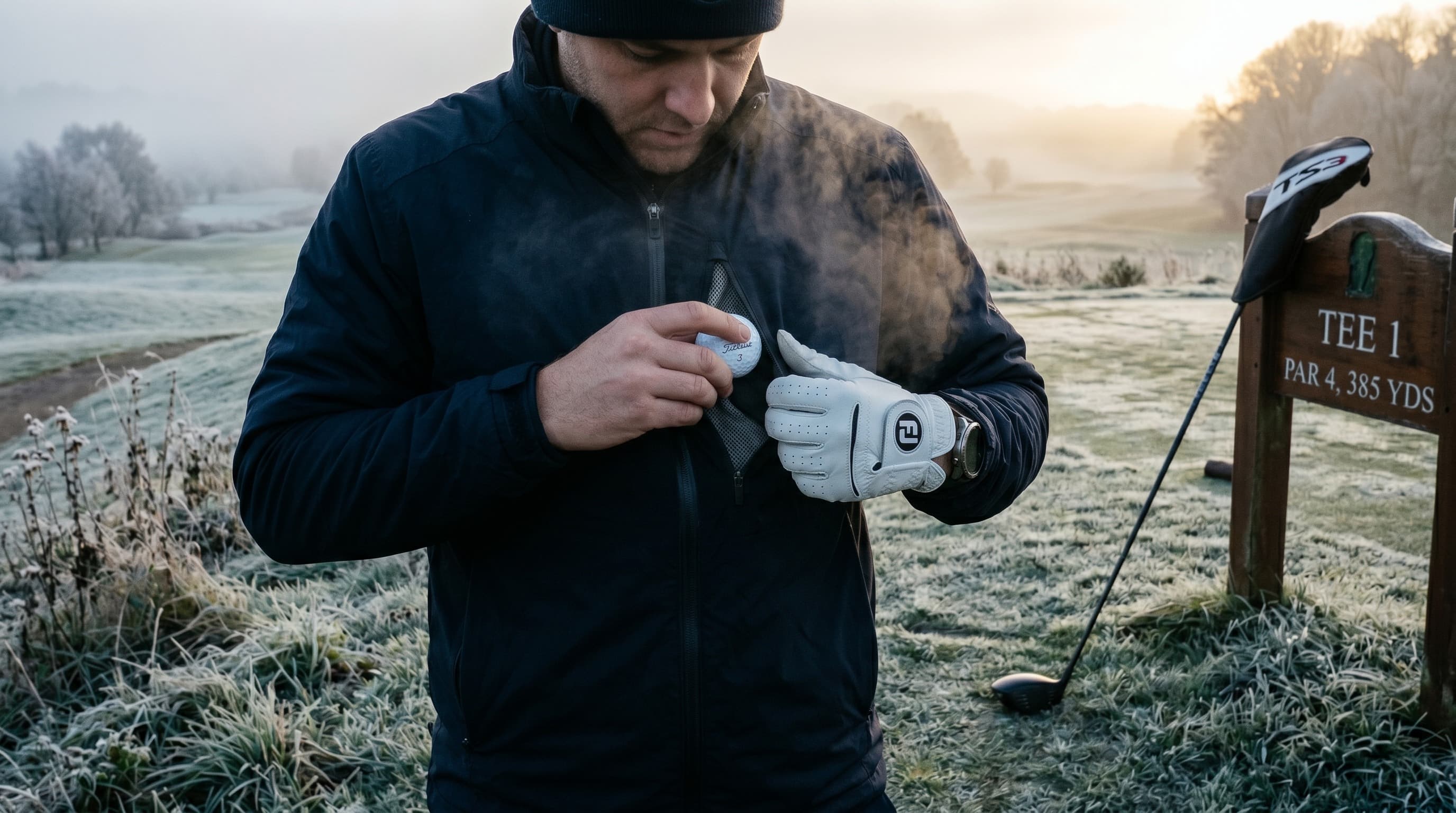
How Cold Weather Steals Distance: The Ball Compression Physics Every Golfer Should Know
Every 10°F drop costs the average golfer two to four yards of driver carry. Here is the physics — ball compression, air density, muscle temperature — and the field data we pulled from G-Score-monitored cold rounds to show exactly how distance loss compounds, and how to compensate without changing your swing.
Read Story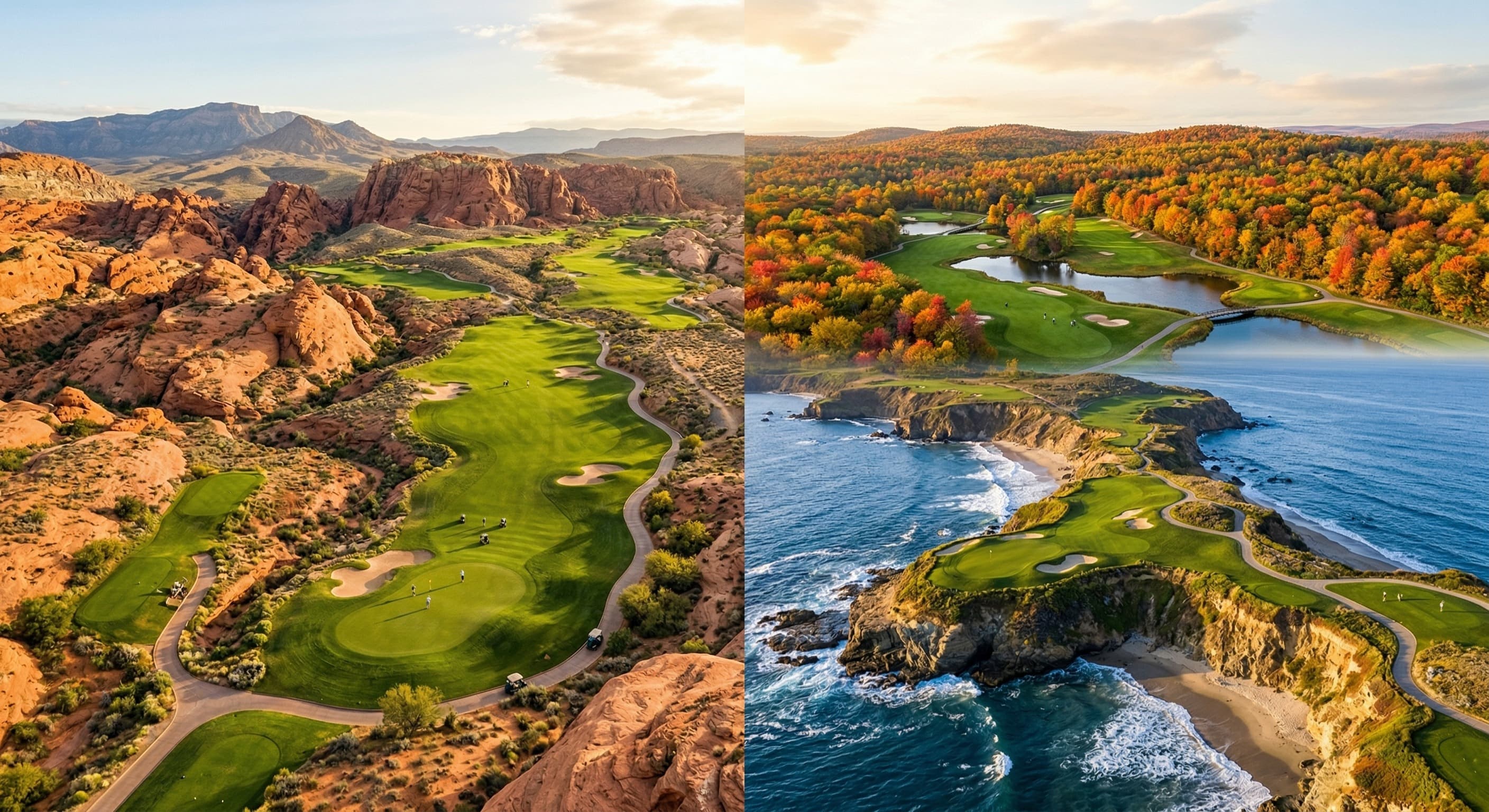
Best Golf Weather by State: Ranking America by Average G-Score
We ranked all 50 US states by average G-Score golf playability. California tops the list, but the results beyond the top five may surprise you.
Read StoryMinSu Kim
Founder & Golf Data Analyst
MinSu is a data analyst and golfer with 10+ years on the course. He built Golf Weather Score to answer one question: is today a good day to play? He combines weather data, course intelligence, and the proprietary G-Score algorithm to help golfers make smarter decisions.
Every Friday Morning
When Hualalai Golf Club Nicklaus Course plays best next weekend.
Friday 6am ET: peak G-Score windows for Hualalai Golf Club Nicklaus Course, wind direction by hour, and one gear call. Three minutes to read, save you the round.
One email a week. Unsubscribe in one click.
The Caddie's Oracle
Draw your luck before the tee off