
Caddie's Gear Advisor
Curated for today's 79°F · Clear
Tour-Level Drivers
Engineered for maximum distance and forgiveness
Laser Rangefinders
Pin-seeking technology for precision approaches
Premium Golf Balls
Tour-caliber spin and distance performance
Performance Sunglasses
Polarized lenses optimized for reading greens
Your Golf Trip, Handled
The Ultimate Golf Trip Planner
Everything you need to play Cathedral Canyon Golf Club — from booking your flight to checking in course-side.
Best time to golf in CaliforniaCourse-Side Stays
Luxury hotels, resorts, and stay-and-play packages just minutes from the first tee.
Flights
Compare fares across 700+ airlines for the best route to your tee time.
SUV Rentals for Golf Bags
Spacious vehicles with room for clubs, bags, and your foursome.
Travel Insurance
Coverage for medical, weather delays, and gear at your destination.
Cathedral Canyon Golf Club: Course Intelligence
Signature Setup
Cathedral Canyon Golf Club sits on the floor of the Coachella Valley in Cathedral City, just southeast of Palm Springs, at roughly 270 feet of elevation. David Rainville laid it out in 1975 with three-time major champion Billy Casper consulting, and the result is a par-72, 6,672-yard course (from the blue tees) that earns its 132 slope and 72.9 rating mostly through water. Ponds and lakes touch a large share of the holes — this is a "water-laden" desert layout, not a wide-open one. The routing threads in and out of the surrounding residences, and in 2016 the course landed on Golf Advisor's Top 25 Most Improved list in the U.S. after a fairway and green renovation.
Hole-by-Hole Wind & Playing Lines
The dominant weather variable here is the San Gorgonio Pass wind, which pushes west-to-east through the valley and typically builds after late morning.
- Par-5 1st (552y): Played early, in the morning calm, this is reachable-in-three for most. After 1 p.m. the same hole turns into the freshening breeze and the second shot shortens your options — take the extra club to the layup.
- Par-5 14th (555y): The hardest hole to time. Into a 12–18 mph W/NW afternoon wind, the fronting water in front of the green makes the forced carry a sucker play. Lay up to a full wedge number instead of gambling a long-iron over water that the wind will knock down.
- Longest par-3 (up to 205y): With water short, a headwind adds roughly a club and a half. A 205-yard shot can play 225 effective — club up and aim for the fat of the green, not the flag.
Green & Fairway Characteristics
Fairways and greens are both Bermuda, which firms up fast in the dry desert air. In summer the greens run quick and the fairways give plenty of roll — a tee shot that lands flat will release another 15–25 yards. The par-3s span roughly 156 to 205 yards, so you'll hit nearly every club in the bag across the set. Bermuda grain matters on the greens: putts toward the setting (western) light tend to be faster, and downgrain putts in firm afternoon conditions get away from you. Read grain first, slope second.
Seasonal Weather Pattern
The Coachella Valley is one of the hottest golf markets in the country. June through September routinely sees daytime highs of 105–115°F, which is why summer rates collapse and most serious play happens at sunrise. Winter is the draw: December and January highs sit in the upper 60s to mid-70s with cool, calm mornings near 50°F — prime scoring weather. Humidity stays low year-round, so the ball carries a touch farther than the yardage book suggests, but heat fatigue, not air density, is the real summer score-killer.
Local Play Tips
When I play the Coachella Valley desert courses in February, the pattern is consistent: glassy, windless mornings that give way to a building cross-valley breeze by early afternoon. I'll be honest — I haven't played Cathedral Canyon itself in peak July heat, so I lean on NOAA historical records rather than my own card for the summer picture. But the timing lesson holds across the valley: on a water-heavy layout like this one, the afternoon wind over forced carries is what wrecks scorecards, not the heat. Walk-on rates are softest midday in summer for a reason — that's the worst time to play here, not the best.
Pre-Round Weather Workflow
Pull the 7-day G-Score for Cathedral City and target your tee time at the morning peak, ideally before 11 a.m. Check the windExposure flag the afternoon before: if it forecasts a W/NW wind above ~12 mph, plan to club up on the par-5 14th and the long par-3, and treat the fronting water on those holes as a layup, not a carry. In summer, prioritize the earliest available slot regardless of G-Score — heat above 105°F is its own hazard. In winter, mid-morning is the sweet spot once the overnight chill burns off.
Related Reading
Before you tee off at Cathedral Canyon Golf Club
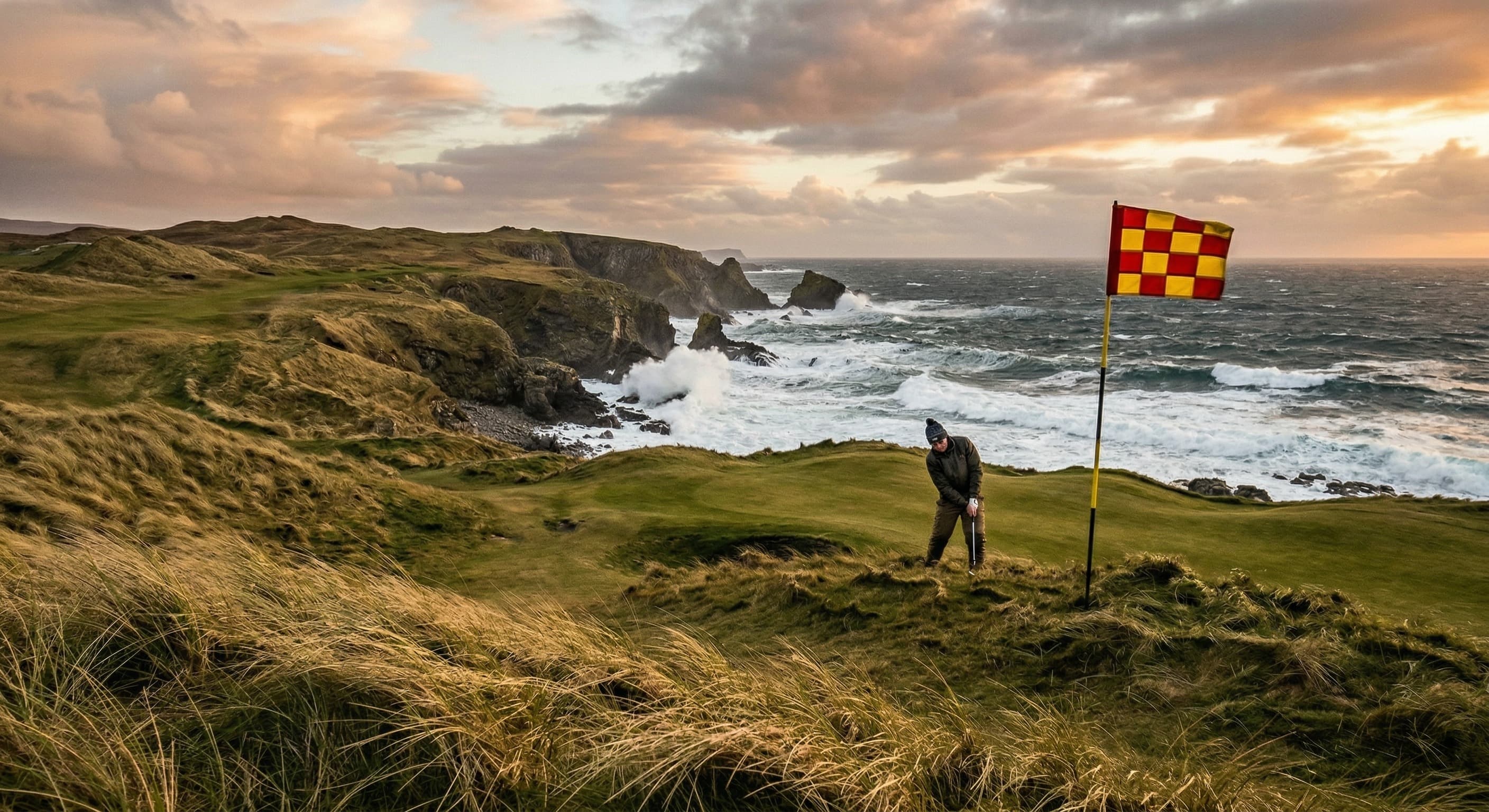
America's 20 Windiest Golf Courses: A G-Score Wind Analysis
We ranked America's 20 windiest golf courses using G-Score wind penalty data. See how coastal gusts and prairie gales reshape playability scores.
Read Story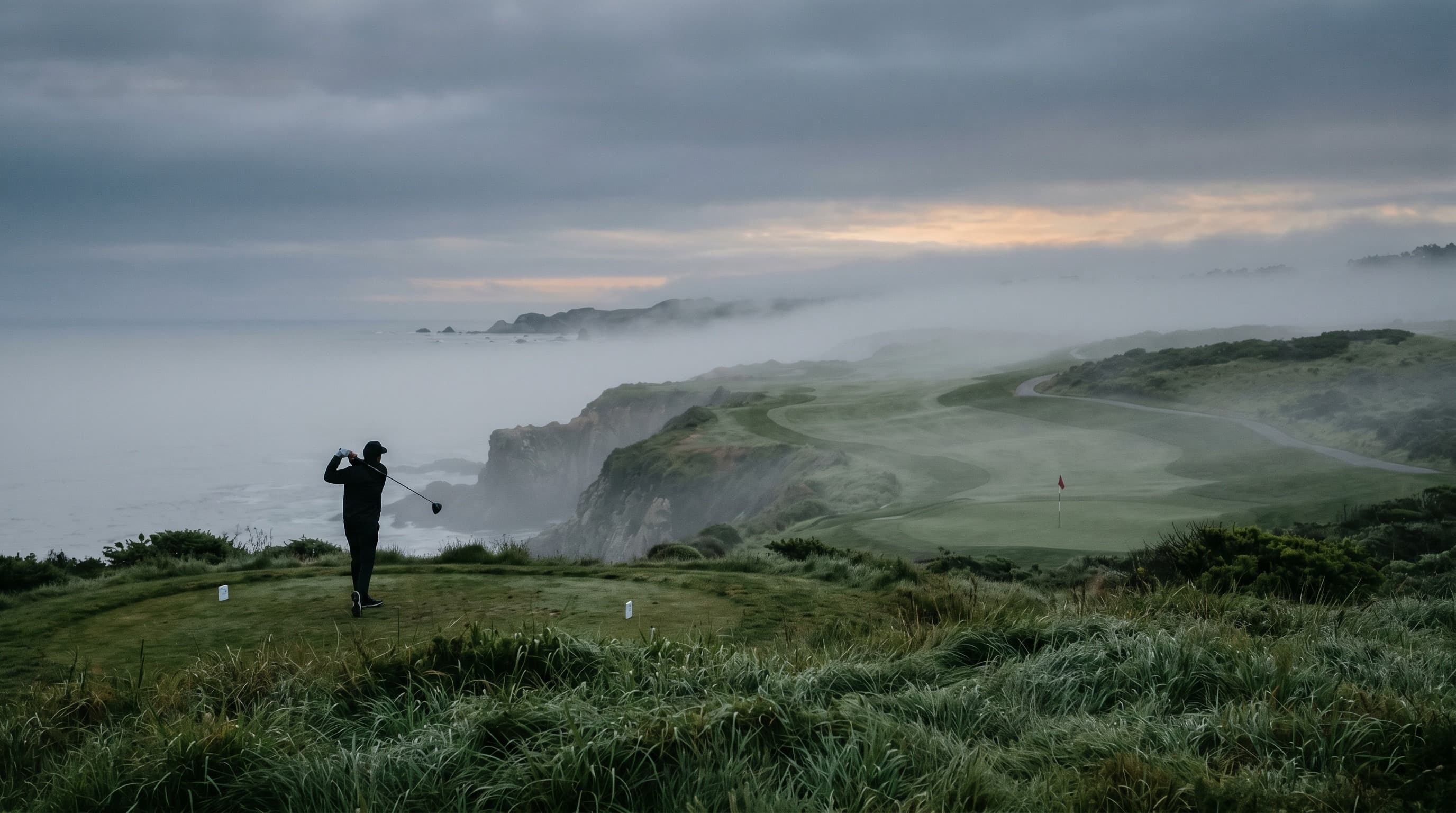
Reading Coastal Wind: How the Marine Layer Reshapes Pebble Beach, Bandon, and the Pacific Coast Game
Coastal golf does not play by inland rules. The marine layer suppresses wind in the morning, then releases it through midday in a thermal cycle that turns a calm 7am tee into a 22mph back nine. Here is the meteorology behind the pattern, the G-Score data that confirms it across the Pacific coast, and the morning workflow that turns the marine layer from a confusion into a competitive advantage.
Read StoryDanorie
Editorial & Data
Golf Weather Score is built by Danorie. We compute the G-Score — our own playability rating — from NOAA forecasts and published course scorecards, so any US course can be compared on any day with a single number. Methodology and data sources are documented on every page.
Every Friday Morning
When Cathedral Canyon Golf Club plays best next weekend.
Friday 6am ET: peak G-Score windows for Cathedral Canyon Golf Club, wind direction by hour, and one gear call. Three minutes to read, save you the round.
One email a week. Unsubscribe in one click.
The Caddie's Oracle
Draw your luck before the tee off